
Review · WALKING TOURS
A walk through life in communist Yugoslavia
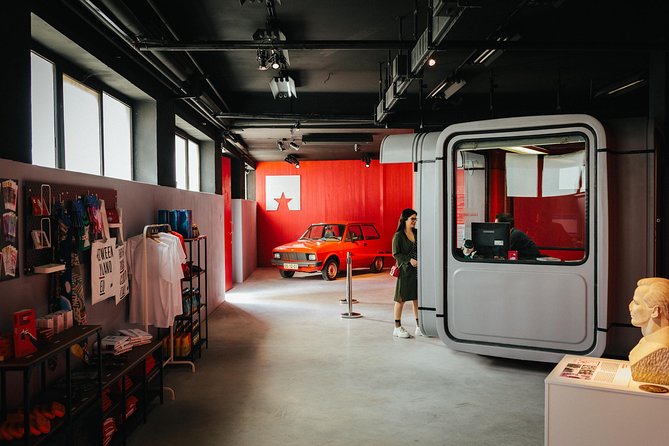
A walk through communist Yugoslavia starts with a room. That’s the hook of Dubrovnik’s Red History Museum, where you experience 20th-century daily life through interactive rooms, everyday objects, and totalitarian-era stories. I like how it keeps history grounded in real stuff you can point at, from politics to design to the way people lived. Prebooked admission also means you can plan your day and skip ticket-counter fuss.
My favorite part is the museum’s time-capsule layout in a 300-square-meter space. It’s set up like you’re moving through an era, with room sets and displays that make abstract ideas feel more immediate. I also like the way the exhibit covers more than slogans, including the secret police, daily routines, and the Non-Aligned angle that shaped Yugoslavia’s place in the wider world.
One possible drawback: it’s not an endless museum. The experience is timed for about 50 minutes up to roughly 1 hour 35 minutes, so if you want extra space devoted specifically to the system’s final breakdown years, you might wish it got more attention.
In This Review
- Key Things to Know Before You Go
- Red History Museum, a 300-square-meter time machine
- What you experience inside the Yugoslavia everyday-life rooms
- The secret police and how surveillance shows up in real life
- Non-Aligned Yugoslavia, and why it mattered beyond one bloc
- Dubrovnik logistics, timing, and where this fits in your day
- Price and value: is $211 fair for an interactive museum?
- Who this museum suits best in Dubrovnik
- What to watch for so you get the most out of your visit
- Should you book the Red History Museum experience?
- FAQ
- What’s included with this Dubrovnik experience?
- How long does the Red History Museum visit take?
- Where does the experience start?
- Do I need to buy a ticket on site?
- Is cancellation free?
- Is the museum visit suitable for everyone?
Key Things to Know Before You Go
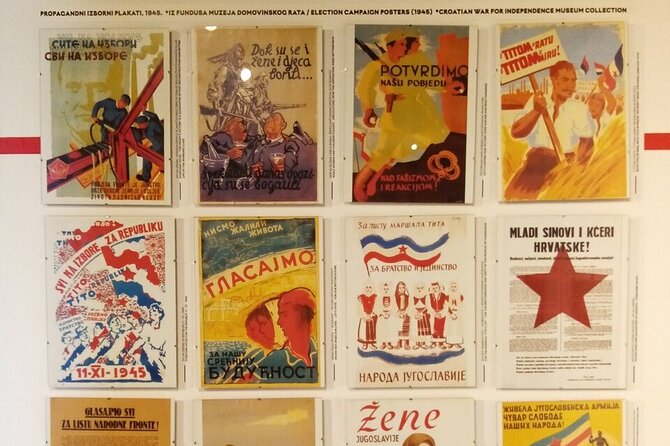
- Interactive room sets that turn everyday life under Yugoslavia into something you can walk through
- Secret police and totalitarian control explained through exhibit content, not just big speeches
- Non-Aligned context so Yugoslavia’s story connects to global Cold War dynamics
- Art and design details that show how politics shaped what people saw and used
- Prebooked entry that helps you avoid ticket-counter lines on busy Dubrovnik days
- Small but focused museum footprint, so you can fit it into a day without losing half of it
Red History Museum, a 300-square-meter time machine
Dubrovnik is known for walls, views, and ship-size crowds. This museum takes you in a different direction, into a 20th-century Yugoslavia that Croatia remembers, and that the region still debates. The Red History Museum is a newly opened, interactive experience built in about 300 square meters, so you get a guided-feeling flow without feeling like you need a full afternoon ticket and a map app.
I like that the museum uses both new and old technologies. You’re not just looking at text panels. You’re meant to experience how art, everyday objects, politics, and the vibe of surveillance fit together in real life.
You’ll also appreciate the practical side. You can prebook your admission, then just show up on your chosen day. That matters in Dubrovnik, where even “small” lines can eat your time.
More Walking Tours in Dubrovnik
- Dubrovnik: Old Town Walking Tour
★ 4.8 · 5,174 reviews - Dubrovnik Discovery Old Town Walking Tour
★ 5.0 · 4,458 reviews - Dubrovnik: Game of Thrones Walking Tour
★ 5.0 · 1,732 reviews
What you experience inside the Yugoslavia everyday-life rooms
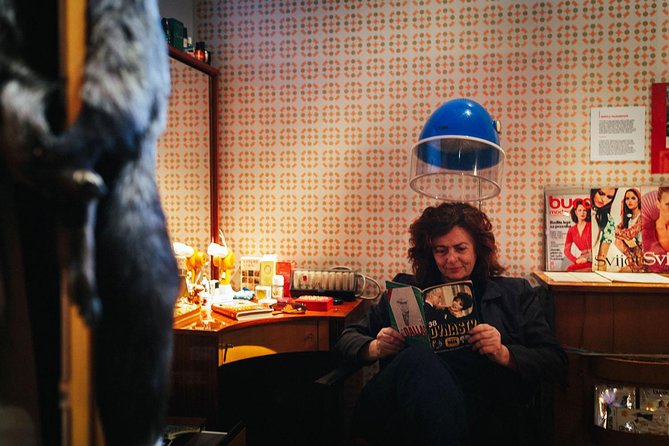
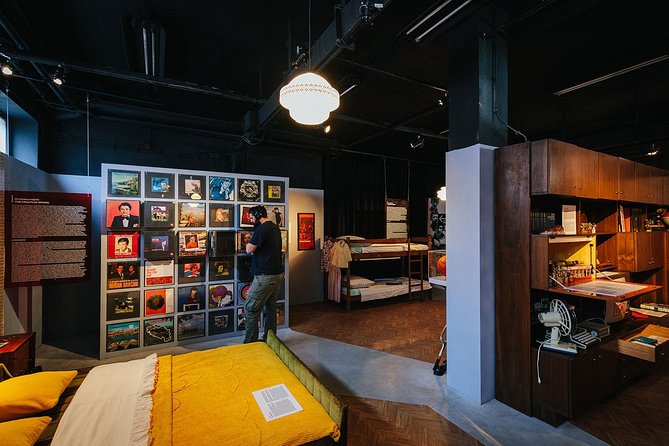
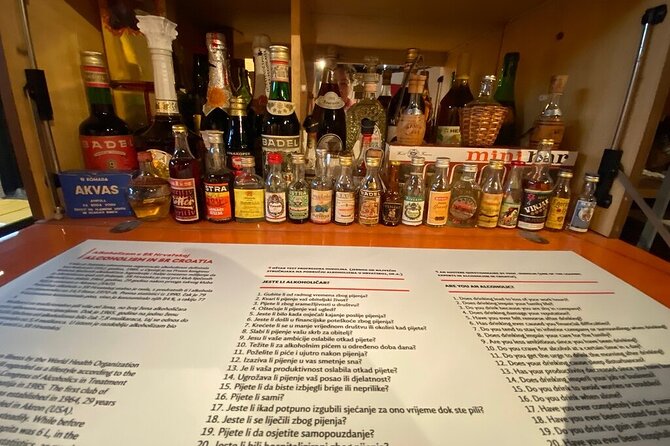
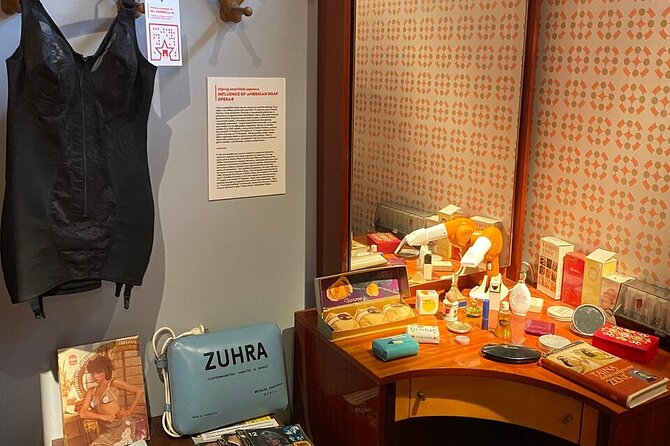
The museum is built around room sets and displays of everyday items, so your brain has an easier job. It’s one thing to read about communist life. It’s another to see how a life is arranged, staged, and controlled in physical space.
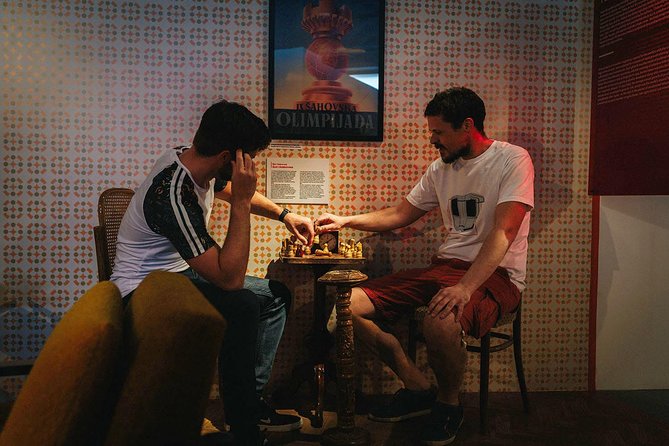
Expect an interactive sequence that mixes visuals, audio, and themed room scenes. The exhibit covers everyday life under the Yugoslav regime, with a focus on how people spent time, what they encountered, and how society was structured. Because it’s interactive, you’re likely to find yourself pausing more than you would in a traditional museum, which is a good thing if your goal is understanding, not just checking boxes.
A nice practical bonus: because it’s not huge, you can usually keep your pace. If you prefer to skim, you can. If you want to slow down and take it in, you can without getting lost for hours.
The secret police and how surveillance shows up in real life
If you care about how totalitarian systems work, this is the part that gives the museum its bite. The exhibit doesn’t treat secret agencies as an abstract concept. It frames them as a presence that shaped behavior and choices.
You’ll encounter content tied to the secret police and other aspects of a totalitarian society. The museum also includes politics and party influence, helping you connect how power translated into everyday rules. For many people, this is the section that turns curiosity into a deeper kind of attention.
One thing I’d keep in mind: the museum is designed to be approachable. That means it may prioritize the big ideas and the most legible examples of control and propaganda. If you’re looking for extremely detailed dossiers on every mechanism, you might find the exhibit more guided than encyclopedic.
Non-Aligned Yugoslavia, and why it mattered beyond one bloc
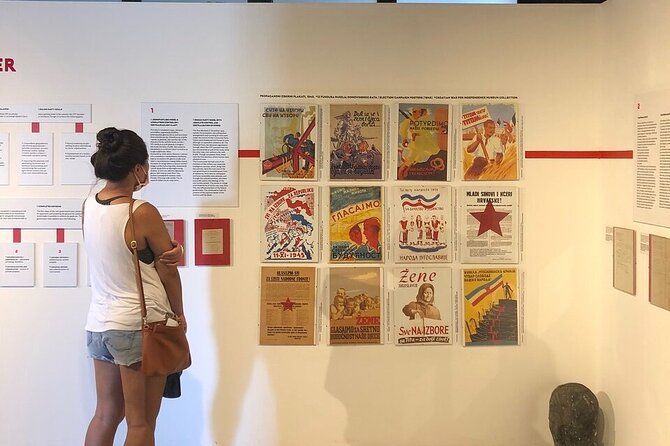
Yugoslavia’s story isn’t just east-versus-west. The museum brings in the Non-Aligned angle, which is a key piece of understanding how Yugoslavia tried to stand at a different crossroads during the Cold War. When you see this presented alongside art, politics, and social life, you get a fuller picture of how ideology played out in both domestic life and international positioning.
This matters because it prevents a common oversimplification. It’s easy to treat communist history as one uniform template. Yugoslavia didn’t follow that template neatly, and the Non-Aligned focus helps explain why the country’s experience felt distinct.
You’ll also notice the museum ties that global context back to everyday life. That connection is what makes the experience useful for visitors who want historical context without turning it into a lecture.
Same coastline, a different sort of day:
- Blue Cave Small-Group Boat Tour from Dubrovnik
★ 5.0 · 9,360 reviews - Full-Day Dubrovnik Elaphite Islands Cruise with Lunch and Drinks
★ 5.0 · 8,823 reviews - Dubrovnik: Epic Game of Thrones Tour + Lokrum & Saver Option
★ 4.9 · 5,995 reviews - Dubrovnik: Elaphiti Islands Full-Day Cruise with Lunch
★ 5.0 · 5,938 reviews
Dubrovnik logistics, timing, and where this fits in your day
You’ll find the Red History Museum at Ul. Svetog Križa 3, 20000, Dubrovnik. The experience ends back at the meeting point, so you won’t need to coordinate a second location. It’s also near public transportation, which is a lifesaver if you’re bouncing between sights in a car-light city.
In terms of timing, plan around 50 minutes to 1 hour 35 minutes. That’s a wide range because your pace and interest level will shape the total time. If you love interactive exhibits and you stop often, you’ll be closer to the longer end. If you’re scanning and moving efficiently, you’ll land nearer the shorter end.
The prebooked entry is a real advantage. On popular Dubrovnik days, anything that reduces waiting is value. You’re not stuck hunting for the ticket counter, you’re just going in when your time slot arrives.
Also consider the museum’s size and group capacity. It can handle up to 200 travelers, so it’s possible you’ll share space with other visitors, especially during peak hours. That doesn’t ruin the experience, but it can affect how much quiet time you get in the interactive rooms.
Price and value: is $211 fair for an interactive museum?
At $211, this is not a “grab a quick ticket” add-on. So the value question comes down to what’s included and how you like to travel.
Here’s what you do get: your admission is included, it’s interactive, and it’s designed as a focused experience lasting up to about 1 hour 35 minutes. Prebooked admission also helps you avoid lines, which can be a meaningful cost of time in Dubrovnik.
Whether it feels worth it depends on your priorities. If you enjoy theme museums that use rooms, audio, and objects to teach you how people actually lived, you’re likely to feel like the price buys real interpretation. If you prefer outdoor sights only, or you’re the type who wants wide museum galleries and long wandering time, you might think the museum feels too short for the ticket cost.
My practical advice: compare the length of this experience with how many other pay-to-enter stops you’re making that day. If you’re doing only a couple paid items, it can make sense. If you already have multiple ticketed attractions planned, you may want to be more selective.
Who this museum suits best in Dubrovnik
This is an especially good fit if you want context that you cannot easily pick up from Dubrovnik’s walls alone. You’ll get a clearer sense of what Croatia’s 20th-century experience looked like under Yugoslavia’s communist rule. If you’re curious about politics, propaganda, daily life under control, and how ideology shows up in everyday objects, you’ll probably appreciate the way the museum builds meaning room by room.
It also works well if you like interactive history. The museum is designed around exhibits that feel like you’re experiencing the era, not just reading about it.
I’d think twice if you mainly want panoramic views and you feel museum fatigue easily. This is not a scenic lookout. It’s a structured experience with a heavy historical theme. It’s still approachable, but it is meant to make you think.
Good news on participation: the experience notes that most travelers can participate, and service animals are allowed.
What to watch for so you get the most out of your visit
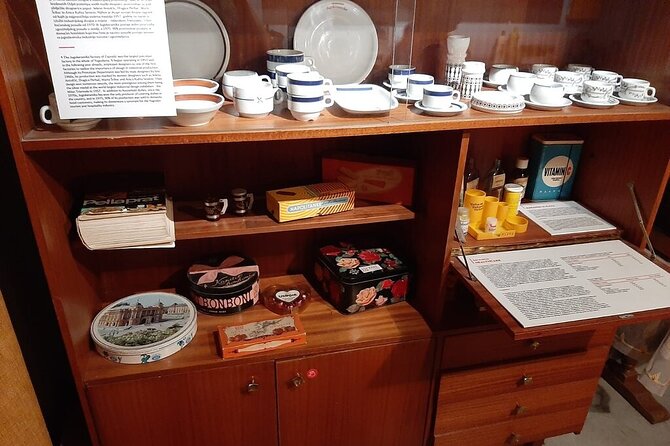
Because this museum uses room sets and audio or interactive elements, your best move is to go in with a clear question in your head. I like the question, How did politics shape daily life? Then you can watch for evidence as you move through spaces.
Here are a few smart ways to stay oriented:
- Slow down at the everyday object displays. That’s where the museum does its strongest work.
- Pay attention to how surveillance and party influence are described. It changes how you interpret everything else.
- Notice the art and design elements. Even when you think you’re there for history, design can show ideology at a glance.
- If you’re sensitive to heavy political themes, plan a gentle pairing afterward with a calmer walk around Dubrovnik.
Also, since the total time can vary a lot, check your schedule before you commit. If you’re trying to catch a later boat, book or schedule a buffer. That keeps you from rushing through the last rooms.
Should you book the Red History Museum experience?
If you’re intrigued by communist Yugoslavia, or you want more than just Dubrovnik’s postcard history, I think this is a strong booking. Prebooked entry is a practical win, and the museum’s focus on interactive room sets and everyday objects makes the topic easier to understand than a purely textual exhibit.
You should consider skipping if the $211 price feels hard to justify for you, or if you only want passive sightseeing. This is a themed museum visit with a historical theme. It’s best when you show up ready to learn and absorb.
My final rule of thumb: if you like interactive museums and you care about how politics shaped daily life, book it. If you’re on a strict budget or you want only outdoor time, you can spend your money on something that matches your travel mood better.
FAQ
What’s included with this Dubrovnik experience?
Admission to the Red History Museum is included, with prepaid entry.
How long does the Red History Museum visit take?
The experience typically runs about 50 minutes to 1 hour 35 minutes.
Where does the experience start?
It starts at Red History Museum, Ul. Svetog Križa 3, 20000, Dubrovnik, Croatia.
Do I need to buy a ticket on site?
No. You prebook your admission, and the experience is designed to help you avoid ticket-counter lines.
Is cancellation free?
Yes, you can cancel for a full refund if you cancel at least 24 hours before the experience starts.
Is the museum visit suitable for everyone?
Most travelers can participate, and service animals are allowed.
Newest Dubrovnik reviews on the site
- Krka National Park – Private Excursion from Dubrovnik with Mercedes Vehicle★ 5.0 · 4 reviews
- Korcula, Ston, Wine Tasting and Lunch – Tour from Dubrovnik★ 5.0 · 3 reviews
- Montenegro Kotor Bay with Boat Ride to The Lady of the Rock★ 4.5 · 46 reviews
- Private Boat Tours Dubrovnik to island Korcula★ 5.0 · 4 reviews
- Korčula & Ston: Island Charms, Pelješac Delights & Wine Tasting★ 4.0 · 6 reviews
- Korcula Private Tour★ 5.0 · 4 reviews
- Croatia Family Multi Activity Holiday package★ 4.0 · 91 reviews
- Korcula Private Tour from Dubrovnik★ 5.0 · 9 reviews
Walking Tours, compared.

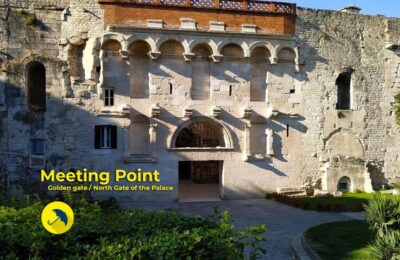
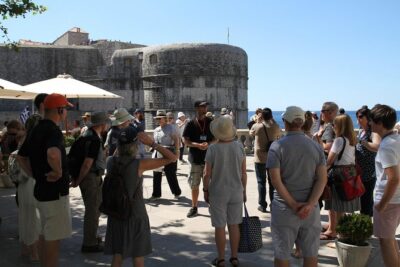
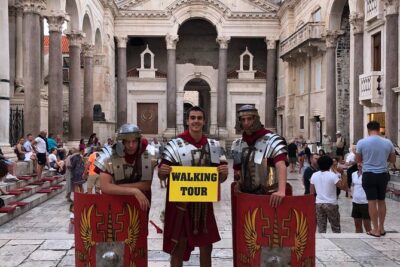
Walking Tour of Split and Diocletian’s Palace
Read our review →
Krka Waterfalls tour with Trogir Walking tour and Krka panoramic boat cruise
Read our review →
City Walls Early Morning or Sunset Walking Tour
Read our review →Browse the lists this tour appears in