
Review · COOKING CLASSES
Croatian Traditional Cuisine: Peka Cooking Lesson
Cooking under a bell dome feels like magic. This Croatian Traditional Cuisine peka lesson takes you out of Dubrovnik to Mokošica, where the whole meal is built around a dome-shaped oven and a real, local cook’s rhythm. You learn how this dish works, then you sit down to the results, with homemade wine part of the experience.
What I love most is the focus on the real method, not just the final plate. You get to understand how the meat and vegetables cook under that dome, and why getting the heat right is the whole point. I also like the personal, family-style hospitality, with Florio running the show and his home turning the lesson into something closer to visiting someone you know than doing a scripted class.
One thing to consider is the price, and the way transportation is described. At $162.47 per person, it is not a budget activity, and while pickup and drop-off are mentioned in the experience overview, the detailed notes also say private transportation and transfers are not included, so confirm what you get from your exact starting address.
In This Review
- Key things that make this peka lesson stand out
- Peka in Mokošica: What makes this cooking style special
- Dubrovnik pickup, the 9:00 start, and how the route sets the mood
- OPG Vukojević and the bell-dome setup you will actually understand
- What you will do versus what you will watch
- While the peka cooks: bread, cheese, olive oil, and homemade wine
- The main event: what gets cooked under the dome
- Value and price: what $162.47 per person is buying you
- Who should book this peka cooking experience (and who might skip it)
- Should you book the Peka Cooking Lesson in Mokošica?
- FAQ
- What is the location of the peka cooking lesson?
- How much does the experience cost?
- How long is the tour?
- Is this experience offered in English?
- Do you offer a vegetarian option?
- What group size is it?
- When does the lunch cooking class run?
- Is it refundable if I cancel?
Key things that make this peka lesson stand out
- The bell dome oven (skača) concept, where heat comes from coals and careful placement
- OPG Vukojević in Mokošica, an off-the-beaten-path village setting
- A small group limit (max 8) with a private setup for your party
- Homemade wine served with the meal, plus a strong local-food focus
- Vegetarian option available, if you tell them when you book
Peka in Mokošica: What makes this cooking style special
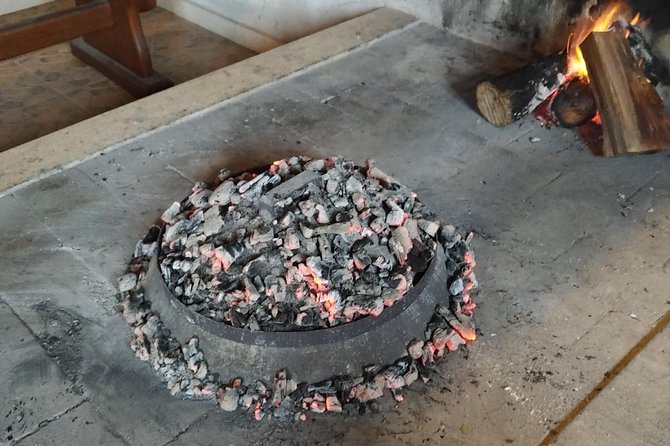
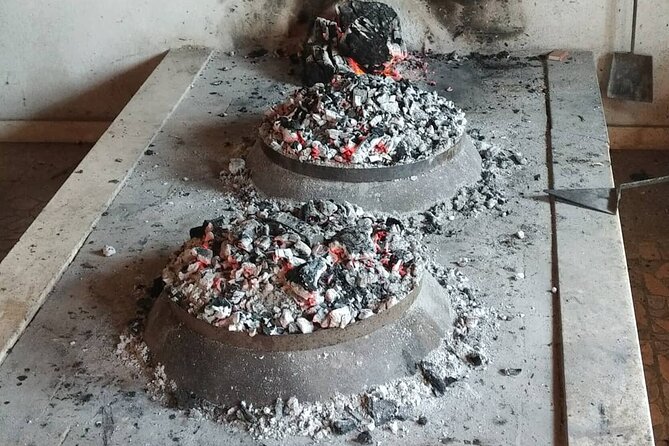
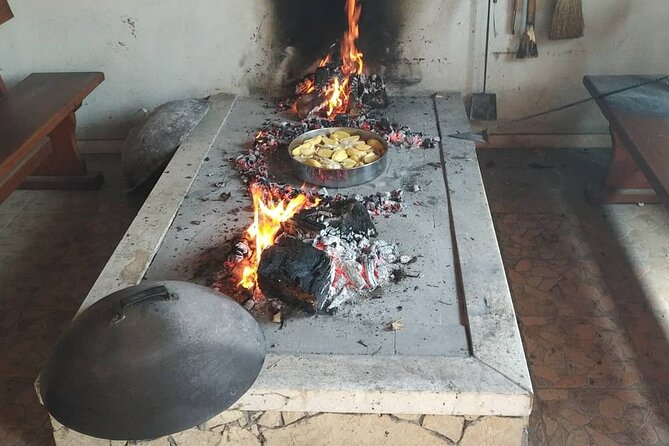
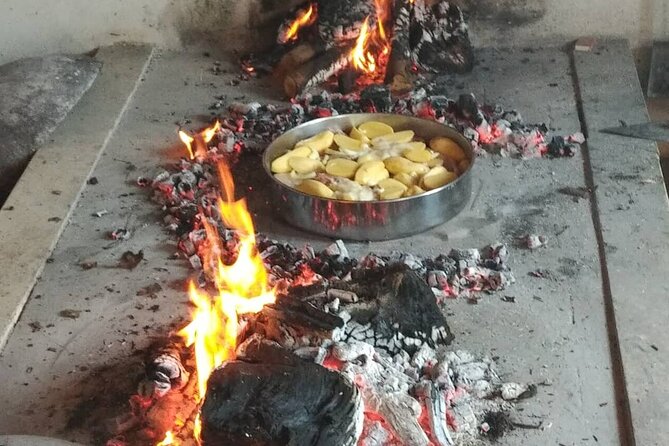
Peka is one of those Croatian dishes that looks simple until you try to understand it. The core idea is a bell-like dome, often metal or cast iron, but the most serious locals still prefer earthenware. Under that dome, food cooks in a fireproof pot set among coals, or sometimes directly on a stone slab, depending on tradition and setup.
That dome shape matters because it controls the heat and steam. The food does not roast in the typical sense. It steams, smolders, and roasts at the same time, which is why you end up with meat that is tender and vegetables that taste like they were cooked in the same smoky breath.
This lesson works because it teaches you the logic behind the technique. You are not just being fed. You are learning how Croatian cooking respects materials, timing, and heat. And that changes how you think about peka even after the meal is over.
A few more Dubrovnik trips to weigh up
- Traditional Dalmatian Cooking Class from Dubrovnik
★ 5.0 · 49 reviews - Authentic Garden to Table Cooking Class in Dubrovnik Countryside
★ 5.0 · 17 reviews - Dubrovnik: Private Cooking Experience with Wine Tasting
★ 5.0 · 3 reviews
Dubrovnik pickup, the 9:00 start, and how the route sets the mood
The day starts early, with pickup at 9:00 am. You meet at Ul. za Belendinovo 3, 20236, Mokošica, Croatia, and the experience ends back at the same meeting point.
One small but real advantage of this timing is that you beat the late-day crush. You get to do the cooking and then eat lunch without the day dragging on. It is also long enough for the peka process to make sense, since the whole dish depends on slow, even cooking.
On the drive in, you might notice how different the area feels from Dubrovnik proper. Some routes pass along parts of the region shaped by the recent past, including bunkers left over from the war, and it is common for the person driving you to share the stories. That context does not turn this into a history tour, but it helps you understand why small villages like Mokošica still feel rooted, not staged.
Also, expect narrow roads and a very “hands-on” local driving style. If you are the type who gets stressed by tight turns, you will probably feel better knowing the host and team are used to the route and move confidently.
OPG Vukojević and the bell-dome setup you will actually understand
The cooking happens at OPG Vukojević in Village Mokošica. This matters because peka is not just a recipe. It is a system, and the system lives in a real home and farm environment.
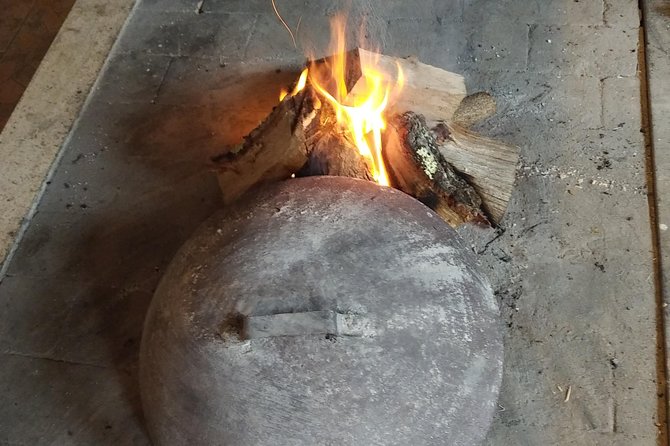
Here is what you should look for when the peka setup is explained. The dome sits over the food like a lid-shaped cap, trapping heat and steam. The meat and vegetables go into a fireproof pot set under coals, or the food goes on a stone slab designed for this kind of heat.
You will hear how the dome can vary. Some domes are metal, some are cast iron, and some are earthenware for those who care most about tradition and heat behavior. That detail might sound nerdy, but it is exactly the kind of thing that separates a quick cooking trick from a method that has been repeated for generations.
In the home environment, the lesson tends to feel practical. Florio is the key host name you will likely meet, and the teaching style from the reviews points to a no-fuss approach. You will also see how other family members help in the kitchen, with the wife assisting during the process.
If you like learning why food tastes the way it does, this is the point where it clicks. You start thinking about heat sources, moisture, and how the dome changes everything. And then the waiting becomes part of the experience instead of a pause you just tolerate.
What you will do versus what you will watch
This is described as a cooking lesson, but the format is more accurate as a guided, family-run cooking experience with demonstration. The host shows you the steps, explains the why, and you get close enough to see how the dish comes together.
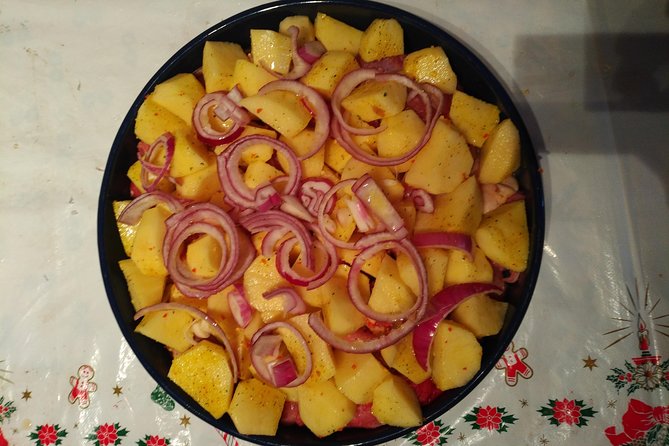
In practical terms, you can expect a focus on the peka method itself: preparing the right ingredients, placing them correctly, then covering the dome and controlling the cooking environment. The reviews also point to a demonstration using meats and potatoes prepared for cooking under the dome.
The best takeaway is not whether you personally handle every step. It is that you leave with a clear mental picture of how peka becomes that soft, cohesive meal. You also learn what matters most, which is heat management and placement, not fancy techniques.
If you want a class where you spend most of the time actively chopping, stirring, and plating, you might find this style more observational than some other cooking workshops. Still, the trade-off is strong, because peka is the star and it is done in a very authentic way.
Same coastline, a different sort of day:
- Blue Cave Small-Group Boat Tour from Dubrovnik
★ 5.0 · 9,360 reviews - Full-Day Dubrovnik Elaphite Islands Cruise with Lunch and Drinks
★ 5.0 · 8,823 reviews - Dubrovnik: Epic Game of Thrones Tour + Lokrum & Saver Option
★ 4.9 · 5,995 reviews - Dubrovnik: Elaphiti Islands Full-Day Cruise with Lunch
★ 5.0 · 5,938 reviews
While the peka cooks: bread, cheese, olive oil, and homemade wine
The wait is where a lot of experiences either lose you or win you back. Here, the rhythm is helped by food and drink while the peka is cooking.
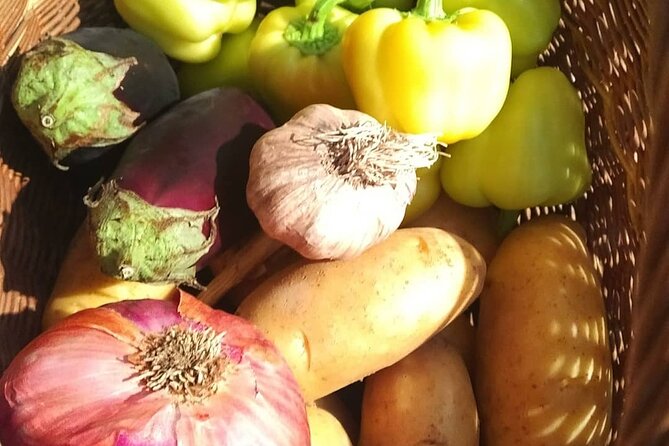
You can expect homemade bread, cheese, and olive oil served during the process. This is a smart setup. It keeps you engaged while the dome does its slow work, and it also gives you a taste of the ingredients that matter in Croatian meals.
Then there is the wine. The included list specifically mentions homemade wine, and the peka overview also notes that peka is best enjoyed with local red miljas wine. The reviews add that grappa and wine are part of the home hospitality, which fits with the overall vibe of a meal built around conversation and local traditions.
So if you are the type who likes to learn by talking, this part can be a highlight. You might ask questions about what grows locally, how things get made, and how the family approach to food ties into everyday life.
The main event: what gets cooked under the dome
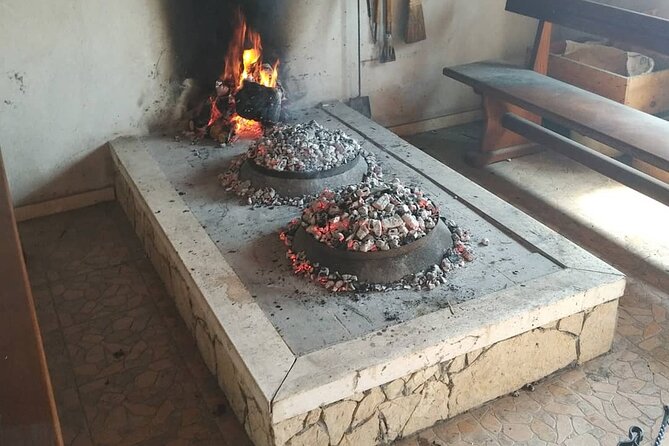
The peka dish itself is hearty and centered on meat plus vegetables. The overview describes the usual choices as veal, lamb, or yearling beef, typically covered with potatoes and other vegetables.
That mix is what makes peka feel complete. You do not get one-dimension meat. You get a meal where the potatoes and vegetables soak up the cooking juices and steam. The dome seals in flavor, and when you finally lift the lid, it is the kind of reveal that makes the whole wait feel worth it.
You should also plan for a vegetarian option. The experience notes say a vegetarian option is available if you advise at booking. It is not described in detail, so you should treat it as a menu adjustment rather than a totally separate cooking method. Still, the fact that they offer it at all is a real plus if your group includes anyone who does not eat meat.
A final note on portion style: because peka is traditionally meant for sharing, you can expect a meal that feels generous. This is not a light tasting menu. It is lunch, and the experience is built around sitting down to eat what was cooked.
Value and price: what $162.47 per person is buying you
At $162.47 per person, the price is not subtle. But peka is not subtle either. You are paying for time, setup, and a small-group, private-group format where someone like Florio hosts you in his home base.
Several value drivers stand out:
- You get a 4-hour experience that includes lunch, not just a brief demonstration.
- You get homemade wine included, and the culture around the meal includes local hospitality.
- The group is capped at 8 people, which usually means you can actually ask questions and stay part of the day instead of feeling like a spectator.
- It is labeled and experienced as a private tour/activity, so your party is the only group participating.
Now for the balanced view. The “private” label is helpful, but it does not automatically mean you are guaranteed a dedicated private vehicle. The details also say private transportation and transfers are not included, so the best move is to confirm exactly how you get from Dubrovnik to the Mokošica area and back.
If you can handle that small bit of planning, the value feels more reasonable. This is not a factory-style cooking class. It is one cook, one dome setup, one meal, and a lot of personal attention.
Who should book this peka cooking experience (and who might skip it)
This experience fits best if you care about authentic food culture and want to learn a technique that is hard to replicate in a normal kitchen. If you like the idea of eating what you see cooking, in a small group, and chatting with a host who brings local food knowledge and home production pride, you will likely enjoy the format.
It also suits travelers who want a change of pace from Dubrovnik’s main tourist core. Mokošica gives you a quieter, village feel, and the chance to see how people live and cook outside the city vibe adds weight to the day.
Adults only matters here. The minimum age is 18, so if you are traveling with teens or younger kids, this one will not work.
And if you hate uncertainty, you should know the schedule has some flexibility and the timing is seasonal. The cooking class lunch window runs 01.04.2026 till 30.10.2026, and the cooking class starting time is stated as 09:30 am, with only lunch time available for the cooking class. In other words, plan this one as a daytime anchor, not a flexible add-on for any hour you want.
Should you book the Peka Cooking Lesson in Mokošica?
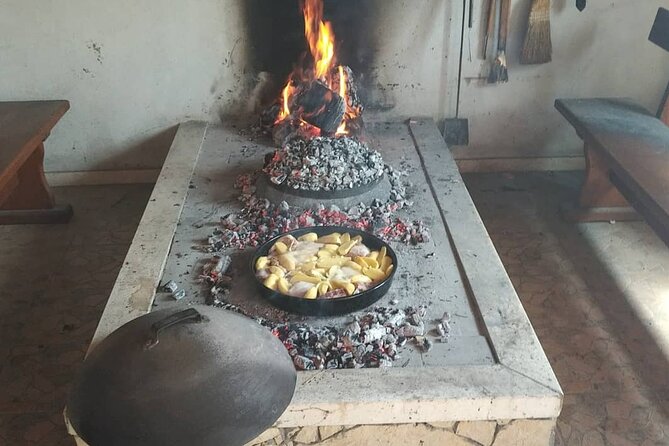
If you want a peka experience that feels like local hospitality, not a staged performance, I think it is a strong yes. The peka method itself is the star, and the small-group setup plus the Florio-led teaching style make it easy to stay engaged.
Book it if:
- You are a foodie who wants the why behind the dome cooking style
- You like small-group, home-hosted experiences with real conversation
- You are traveling with adults (18+) and want a hearty lunch
You might skip it if:
- You want a very hands-on, knife-work-heavy cooking class format
- You have trouble with the price and would rather put that money toward other Dubrovnik experiences
- You need crystal-clear confirmation on transportation from your exact hotel address, since the notes describe transportation in a way you should verify before booking
FAQ
What is the location of the peka cooking lesson?
It takes place in Mokošica, Dubrovnik, Croatia, specifically at Ul. za Belendinovo 3, 20236, Mokošica, Croatia.
How much does the experience cost?
The price is $162.47 per person.
How long is the tour?
It lasts about 4 hours.
Is this experience offered in English?
Yes, it is offered in English.
Do you offer a vegetarian option?
Yes, a vegetarian option is available. You need to advise at the time of booking.
What group size is it?
It requires a minimum of 2 people per booking and has a maximum of 8 people per booking.
When does the lunch cooking class run?
Lunch is included, and the cooking class lunch timing is offered from 01.04.2026 to 30.10.2026, with only lunch time available for the cooking class starting 09:30 am.
Is it refundable if I cancel?
No. The experience is non-refundable and cannot be changed for any reason.
Newest Dubrovnik reviews on the site
- Krka National Park – Private Excursion from Dubrovnik with Mercedes Vehicle★ 5.0 · 4 reviews
- Private Boat Tours Dubrovnik to island Korcula★ 5.0 · 4 reviews
- Korcula, Ston, Wine Tasting and Lunch – Tour from Dubrovnik★ 5.0 · 3 reviews
- Montenegro Kotor Bay with Boat Ride to The Lady of the Rock★ 4.5 · 46 reviews
- Korčula & Ston: Island Charms, Pelješac Delights & Wine Tasting★ 4.0 · 6 reviews
- Korcula Private Tour★ 5.0 · 4 reviews
- Croatia Family Multi Activity Holiday package★ 4.0 · 91 reviews
- Korcula Private Tour from Dubrovnik★ 5.0 · 9 reviews
Cooking Classes, compared.
Traditional Dalmatian Cooking Class from Dubrovnik
Read our review →
Authentic Garden to Table Cooking Class in Dubrovnik Countryside
Read our review →
Browse the lists this tour appears in