
Review · DUBROVNIK CITY WALLS TOURS
Dubrovnik City Walls: Small-Group 2-Hour Tour With a Local
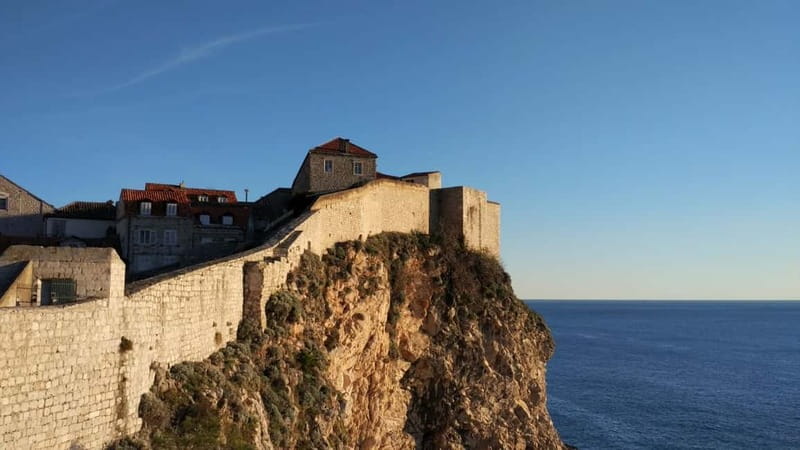
Walls with views, and a guide with answers. What I like most is the small-group size that keeps it personal and the local guide storytelling that turns the stone walk into something you actually remember. You’ll get dramatic Old Town and Adriatic Sea views, plus clear explanations of why these defenses mattered so much.
One thing to plan for: this is a 700-stair wall route, with no elevator, and it is definitely not for people who dislike heights or have limited mobility.
In This Review
- Key highlights to look for
- Dubrovnik City Walls in Two Hours, and Why Small-Group Matters
- Meeting at Ploče Gate, Then Straight to the Old Harbour Views
- Fort Revelin and the Northern Walls, Where Defense Meant Trade Protection
- Ottoman Empire Stories From the Walls, Not From a Textbook
- Minčeta Fortress: Michelozzi, the Old Gun Foundry, and Big Sky Views
- Stradun From Above, Then West Toward Lovrijenac and Bokar
- Lovrijenac’s 12-Meter Wall Thickness, Explained in Plain Sight
- Southern Wall Sections, Oldest and Youngest Clues, Plus Venice Rivalry
- The Real Logistics: Stairs, Heights, and Who Should Skip This
- Price and Ticket Value: Tour Fee Plus Wall Entrance
- A Guide Can Make or Break the Wall Walk
- Should You Book This Dubrovnik City Walls Tour?
- FAQ
- Where is the meeting point for the Dubrovnik City Walls tour?
- How long is the tour?
- How big is the group?
- Is the city walls entrance ticket included in the price?
- If I have a Dubrovnik Pass, can I enter the walls for free?
- What language is the tour offered in?
- How many stairs should I expect?
- Is this tour suitable for wheelchair users or people with mobility impairments?
- What is the minimum age for this tour?
Key highlights to look for
- Up-close Fort Revelin context: how the eastern approach to the Old Town was protected
- Minčeta Fortress views with specific details about Michelozzi and the old gun foundry
- Stradun photo angle from the walls, not the usual street-level view
- Fort Lovrijenac and Bokar explained in plain language, with the Pile Gate connection
- Real defensive engineering including the fact that some Lovrijenac walls are 12 meters thick
- Small-group Q and A energy that makes questions feel welcome, not rushed
Dubrovnik City Walls in Two Hours, and Why Small-Group Matters
This is a 2-hour walk on the Dubrovnik City Walls with a licensed English-speaking guide, capped at eight guests. That small number matters because you can actually ask questions as you move, instead of relying on whatever you catch while standing in a crowd.
You also get a smoother rhythm. The route is packed with vantage points and forts, but the pace stays manageable enough to stay engaged for the full two hours. If you like your history with a sense of place, the format fits.
More Dubrovnik city walls walks:
- Dubrovnik: City Walls Early Morning or Sunset Walking Tour
★ 4.8 · 1,523 reviews - Dubrovnik: Ancient City Walls & Wars Walking Tour
★ 5.0 · 1,270 reviews - Dubrovnik Combo: Old Town & Ancient City Walls
★ 5.0 · 1,019 reviews
Meeting at Ploče Gate, Then Straight to the Old Harbour Views
You’ll meet in a small square inside Ploče Gate, the eastern entrance to the Old Town. The meeting spot is by a cannon, in the corner of the square, and your guide will be holding a red and white flag, overlooking the Old Harbour.
From the start, you’re oriented. As you step onto the walls, the guide uses the views as your orientation tool, so the Old Town isn’t just something you look at from below. It becomes a map, with the harbor and fortifications working together in your head.
Fort Revelin and the Northern Walls, Where Defense Meant Trade Protection
Early on, you ascend the walls with panoramic views of the Old Harbour. The guide connects what you see to what Dubrovnik was built to protect: maritime activity, seafaring, and trade that needed defense against enemy incursions.
Then you reach Fort Revelin, the structure that guarded the eastern approach to the Old Town for centuries. Even if forts can blur together in your mind later, Revelin tends to click because it sits right in the story of protecting access and controlling who could approach.
As you walk along the northern stretch, expect talk about medieval warfare details like bows and arrows, stone boulders, and siege tactics. The point is not trivia for its own sake. The guide’s job is to help you understand how these walls functioned as a system, not as one long photo spot.
Ottoman Empire Stories From the Walls, Not From a Textbook
At a strategic tower during the route, you’ll hear about Dubrovnik Republic diplomacy and the Ottoman Empire. The emphasis here is how negotiation and political maneuvering could matter as much as fighting.
This part works well because it changes the tone. You still see the physical defensive features, but you also get why Dubrovnik survived while bigger powers circled it. You’re not just walking stone, you’re walking decision-making.
If you like your history with clear cause and effect, you’ll appreciate how the guide ties the Ottoman story back to the role of the harbor defenses and overall fort design.
A few more Dubrovnik trips to weigh up
- Blue Cave Small-Group Boat Tour from Dubrovnik
★ 5.0 · 9,360 reviews - Full-Day Dubrovnik Elaphite Islands Cruise with Lunch and Drinks
★ 5.0 · 8,823 reviews - Dubrovnik: Epic Game of Thrones Tour + Lokrum & Saver Option
★ 4.9 · 5,995 reviews - Dubrovnik: Elaphiti Islands Full-Day Cruise with Lunch
★ 5.0 · 5,938 reviews
Minčeta Fortress: Michelozzi, the Old Gun Foundry, and Big Sky Views
A tour highlight comes at the top of Minčeta Fortress. The views from here are the kind you remember after you leave the walls, because you can take in the harbor and Old Town as a single picture instead of separate landmarks.
This is also where the guide gets very specific about architecture and engineering, including the contributions of Italian architect Michelozzi. You’ll hear about the old gun foundry and the impressive array of cannons that once defended the walls.
Practically, this is a great stretch for photos. You’ll be up high, the lighting tends to look good in the morning, and the view gives you a sense of the coastline and how exposed the city was to sea routes.
Stradun From Above, Then West Toward Lovrijenac and Bokar
Midway through the walk, you’ll reach a perfect photo opportunity that shows Stradun, Dubrovnik’s main street, from an angle most visitors miss. It’s one of those moments where the walls suddenly feel less like a boundary and more like a viewpoint seat.
After that, the route continues along the western stretches. The guide brings you to Forts Lovrijenac and Bokar and explains their strategic role in protecting the Pile Gate approach.
What I like about this segment is how it gives the forts a job. Instead of seeing Lovrijenac as a dramatic shape on a postcard, you understand it as part of controlling access, sightlines, and defense near the city’s main gateway.
Lovrijenac’s 12-Meter Wall Thickness, Explained in Plain Sight
One of the most striking facts on the route is that some sections of Lovrijenac’s walls reach 12 meters thick. That number sounds like an engineering headline, but on-site it becomes real because you can look at what the fortification had to withstand.
The guide helps you connect thickness to purpose, explaining why this kind of construction wasn’t just about blocking an attack, it was about enduring it. Stone depth buys time and resilience, and in a siege situation, time is power.
This stop also sets you up for understanding the walls as layered defense. You’re seeing how different forts covered different angles and approaches, rather than one wall doing everything.
Southern Wall Sections, Oldest and Youngest Clues, Plus Venice Rivalry
As you move along the southern stretches, the guide points out both the oldest and youngest sections of the walls. That kind of detail is useful because it shows you that Dubrovnik’s defenses weren’t built in a single burst and forgotten. They evolved as threats and politics changed.
You’ll also hear about Dubrovnik’s historical ties with Venice and the rivalry between these maritime powers. The connection matters because it explains why a small city-state needed to stay politically agile while keeping its defenses ready.
By the time you reach the last part of the walk, you start to see the walls as a living strategy. Forts and wall sections become evidence of shifting priorities, where diplomacy, maritime power, and military readiness all lived in the same physical space.
The Real Logistics: Stairs, Heights, and Who Should Skip This
This tour involves more than 700 stairs and no elevator or escalator. The route requires moderate fitness, and it’s not recommended if you have walking difficulties or mobility impairments.
It is not suitable for:
- children under 12
- wheelchair users
- people with mobility impairments
- people afraid of heights
So here’s my practical advice: if you’re even unsure about your comfort on steep stone steps or the mental side of heights, treat that as a serious warning sign. This isn’t the kind of tour where you can easily take frequent breaks or change to a flatter route.
On the plus side, if you are comfortable moving for two hours on uneven stone, the stair count also explains why the views feel so rewarding. You’re earning them.
Price and Ticket Value: Tour Fee Plus Wall Entrance
The tour price is $41 per person for the guided portion. What’s easy to miss is that the city walls entrance ticket is not included.
If you have a Dubrovnik Pass, you can enter the walls for free and skip the line, which can be a big time saver. If you don’t have the pass, the single ticket price is listed at 40 Euros, and it can be 20 Euros in January, February, November, and December. Students with a valid student card (ISIC) and under-18s pay 15 Euros.
So is the tour worth it? For me, the value is in the guide-led interpretation. Walking the walls alone is beautiful, but you’d likely miss why each fort matters, how the Ottoman and Venetian political realities shaped defense, and what Michelozzi brought to Minčeta Fortress. In a short 2-hour window, that guidance turns a long wall walk into a structured story.
If you already plan to pay for wall entry anyway, the extra $41 buys you direction, context, and help spotting the defensive logic as you go.
A Guide Can Make or Break the Wall Walk
The tone of this tour is heavily guide-driven, and the names you might meet show up for a reason. Marko is praised for being very pleasant, well informed, and funny, with strong group interaction. Roco is described as excellent, with a lot of formative historical information along the way.
Marco and Marko also come up in feedback for being professional, humor-forward, and able to answer questions without making the walk feel like a lecture. One guide is noted for keeping a 10-year-old engaged during the full 2 hours, which tells me the storytelling is paced for attention, not just delivery.
That matters because you are spending your time on stone steps. A good guide uses those steps as the structure: viewpoint, explanation, and a reason to pay attention right now.
Should You Book This Dubrovnik City Walls Tour?
Book it if you want the walls to mean something, not just look good. The small-group cap of eight plus the fort-focused route makes it ideal if you enjoy military history, harbor stories, and the political chess behind Dubrovnik’s survival.
Don’t book it if your body or comfort limits you. With 700-plus stairs, no elevator, and restrictions for people afraid of heights or with mobility impairments, this is one of those experiences where the setting demands you be ready.
If you are on the fence about value, decide based on your wall plans. If you will pay for wall entry anyway, the guided structure helps you get more out of every step.
FAQ
Where is the meeting point for the Dubrovnik City Walls tour?
The guide meets in a small square overlooking the old harbour, just inside Ploče gate. Look for the guide in the corner of the square by the cannon, holding a red and white flag.
How long is the tour?
The tour lasts 2 hours.
How big is the group?
The group is limited to a small size, with up to eight guests per guide.
Is the city walls entrance ticket included in the price?
No. The tour price does not include the entrance ticket for the city walls.
If I have a Dubrovnik Pass, can I enter the walls for free?
Yes. If you have a Dubrovnik Pass, you can enter the walls for free and skip the line.
What language is the tour offered in?
The tour is in English with a live guide.
How many stairs should I expect?
The tour includes more than 700 stairs, and there is no elevator or escalator.
Is this tour suitable for wheelchair users or people with mobility impairments?
No. It is not suitable for wheelchair users or people with mobility impairments.
What is the minimum age for this tour?
Children under 12 are not suitable for this tour.
Newest Dubrovnik reviews on the site
- Krka National Park – Private Excursion from Dubrovnik with Mercedes Vehicle★ 5.0 · 4 reviews
- Montenegro Kotor Bay with Boat Ride to The Lady of the Rock★ 4.5 · 46 reviews
- Private Boat Tours Dubrovnik to island Korcula★ 5.0 · 4 reviews
- Korcula, Ston, Wine Tasting and Lunch – Tour from Dubrovnik★ 5.0 · 3 reviews
- Korčula & Ston: Island Charms, Pelješac Delights & Wine Tasting★ 4.0 · 6 reviews
- Korcula Private Tour★ 5.0 · 4 reviews
- Croatia Family Multi Activity Holiday package★ 4.0 · 91 reviews
- Korcula Private Tour from Dubrovnik★ 5.0 · 9 reviews
Dubrovnik City Walls Tours, compared.

City Walls Early Morning or Sunset Walking Tour
Read our review →
Dubrovnik Combo: Old Town & Ancient City Walls
Read our review →
City Walls, Old Town Walking Tour & Adriatic View
Read our review →
Dubrovnik Cable Car Ride, Old Town Walking Tour plus City Walls
Read our review →
City Walls Tour for Early Birds & Sunset Chaser
Read our review →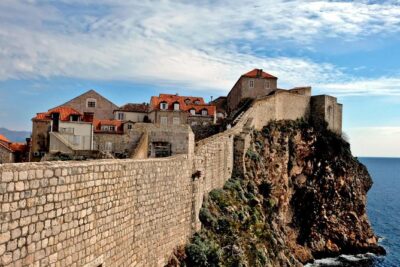
Dubrovnik City Walls Tour for Early Birds or Sunset Chasers
Read our review →Browse the lists this tour appears in