
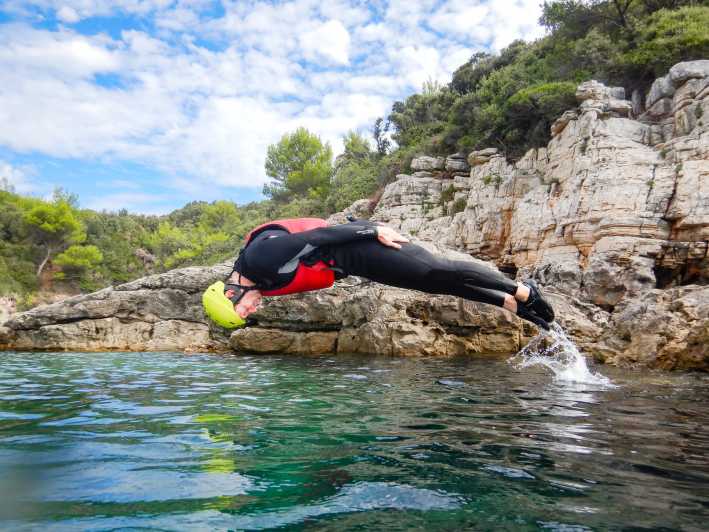
Review · PHOTOGRAPHY SESSIONS
Pula: Coasteering Adventure with Guide and Photos
Cold water, warm confidence.
This coasteering adventure turns Pula’s rugged shoreline into an action-packed walk, swim, and rock-jump route, with sea caves and the intertidal zone as your classroom. You’ll follow a guide along about 1 kilometer of coast, moving over rocks and through tight spots while learning where the ocean hides its secrets, plus you get sea caves and rock jumps as part of the fun.
What I like most is the mix of body and brain. You’ll learn about intertidal wildlife you can actually see clinging to the rocks, and the guide keeps snapping photos so you end up with proof of your best mid-leap moments through digital photos.
One thing to consider before you book: this is not a chill stroll. It is not suitable for non-swimmers, people with vertigo, and anyone who feels low-fitness or uncomfortable with climbing, scrambling, and jumping.
In This Review
- Key Highlights You Will Feel in Your Legs and Remember in Your Photos
- Coasteering on Pula’s Coast: More Than a Swim
- Meeting at Valovine Beach: Find the Beach Hut With Flags
- Gear and First Instructions: Safety Comes Before the Fun
- The Route Along Rough Water: Caves, Cracks, Tunnels, and a Small Canyon
- Rock Jumps With a Built-In Ladder: 0.5 Meters Up to 10
- Wildlife in the Intertidal Zone: Crabs, Tiny Fish, Sea Cucumbers
- Photos Taken Mid-Leap: Why They Feel Worth It
- The Guide Makes the Difference: Thea and Lia Stand Out
- Who Should Book This Coasteering Adventure (And Who Should Skip It)
- What to Bring, What Not to Bring, and Small Comfort Wins
- Weather Matters: If It’s Bad, the Coast Waits
- Is It Good Value at $47 Per Person?
- Should You Book It?
- FAQ
- Where is the meeting point for the coasteering adventure?
- What should I bring for the activity?
- What equipment is included?
- Are alcohol and drugs allowed?
- Is this suitable for children?
- What is the highest jump height?
- Do I need to be a swimmer?
- What happens if the weather is bad?
- What languages do the guides speak?
Key Highlights You Will Feel in Your Legs and Remember in Your Photos
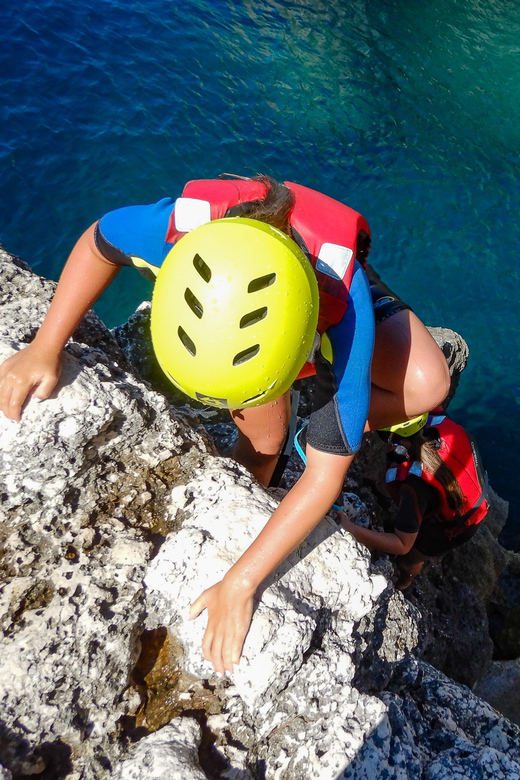
- Sea-cave and canyon exploration on foot, plus time to stop at hidden holes, cracks, tunnels, and caves
- Intertidal zone wildlife lessons, with crabs, tiny fish, and sea cucumbers you can spot on the rock
- Progressive rock jumps, starting around 0.5 meters and rising higher if you feel safe, with the top jump up to 10 meters
- Guide-shot digital photos, taken during the activity, including shots mid-leap
- A tailored route, so you can emphasize wildlife, coastline and caves, or more jumping
Coasteering on Pula’s Coast: More Than a Swim
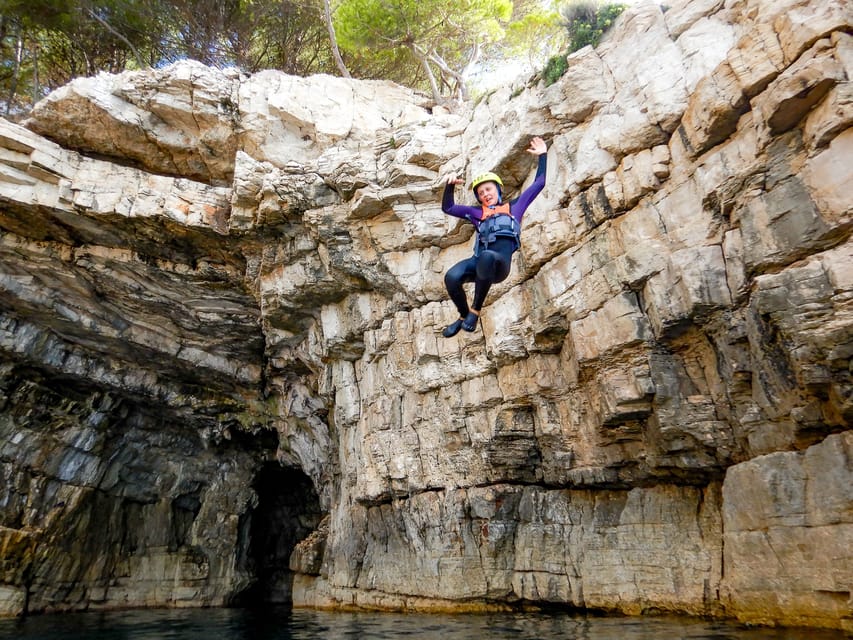
Coasteering is one of those activities that sounds simple until you see the terrain. On Pula’s rocky coastline, “getting from point A to point B” means you’ll move like a mountain-goat for a bit, then like a swimmer, then like someone who just decided gravity is negotiable.
You are exploring the intertidal zone, the strip where the ocean meets land. In practice, it means you’ll spend time in an environment that changes with the water, where animals attach to rocks and survive waves, spray, and shifting conditions. That wildlife angle is not a side note here. It is part of the point, and it gives you a reason to look closely instead of just watching your footing.
The coastline itself is a big part of the appeal. You get sea caves and tunnels you can reach on foot, plus pockets in the rock that feel like they were carved for exploration. Expect a route that includes climbing, scrambling, and plenty of rock-to-water movement.
A few more Croatia trips to weigh up
- Pula: Kayaking, Snorkeling, Cliff jumping, photos included
★ 4.8 · 1,147 reviews - Rafting in a small group with caving & cliff jumping,free photos & videos
★ 5.0 · 188 reviews - BUBA-Kayak Tours Rovinj FREE-drinks,pictures,snorkeling equipment
★ 5.0 · 178 reviews
Meeting at Valovine Beach: Find the Beach Hut With Flags
Your adventure starts at Valovine Beach at the kayak and SUP rental area. The GPS point is 44.861922, 13.810854. When you reach the small roundabout with a bus stop in front of campsite Arena Stoja in Pula, follow the road to the right, take the first roundabout exit, and go about 300 meters to reach the beach area. Look for the white beach hut with beach flags.
This matters because coasteering is hands-on. You do not want to arrive late and miss the safety briefing and gear setup. If you can, plan to be early enough to get your wetsuit on without rushing.
The tour ends back at the meeting point, so you do not need to think about transfers after the activity. That is a relief in a region where parking and timing can get annoying.
Gear and First Instructions: Safety Comes Before the Fun
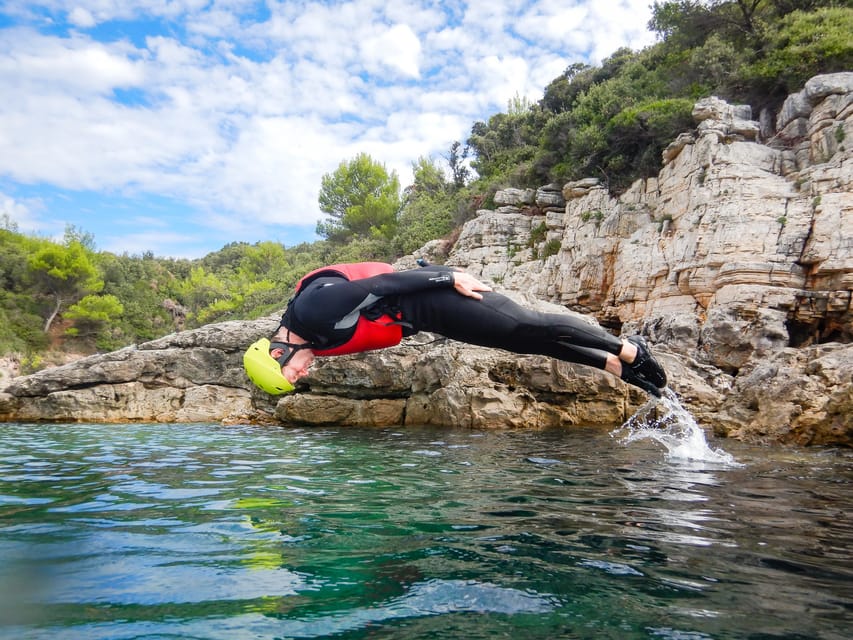
The experience includes the practical gear you do not want to figure out on your own: a wetsuit (short or long depending on the season), a life vest, and a helmet. That gear is part of why this feels guided, not just self-adventure with a risk warning.
Before you start moving, your guide teaches you how to move safely while still having fun. That setup is important on a rocky coast, because the “wrong” move is not always a fall. Sometimes it is the moment you slip when you try to jump without checking the landing area or you scramble in a way that makes the next step harder.
You also get a safety reality check on what you can do. The jumps are optional and guided, which helps you choose a pace that matches how you feel that day. If you are confident, you go higher. If you want to keep it lower and focus on wildlife and caves, the guide tailors the plan.
The Route Along Rough Water: Caves, Cracks, Tunnels, and a Small Canyon
You cover about 1 kilometer of the still-wild seaside of Pula. The scenery is not just dramatic, it is functional. The rocks create natural obstacles and natural routes, which is why the guide keeps you moving in a way that avoids frustration.
What makes this route interesting is the variety of rock features you are meant to find. You’ll look for hidden holes, cracks, tunnels, and caves. Along the way, you uncover a beautiful small canyon and work through it as part of the walking and scrambling.
This is where coasteering becomes more than a sequence of jumps. You get “walk, look, notice” moments, then “step, climb, move” moments, and then “stop and watch what’s on the rock” moments. If you like active travel that still gives you time to notice details, this part is the sweet spot.
Same coastline, a different sort of day:
- Split: Krka Waterfalls Trip with Boat Cruise and Swimming
★ 4.8 · 10,519 reviews - Blue Cave Small-Group Boat Tour from Dubrovnik
★ 5.0 · 9,360 reviews - From Split: Krka Waterfalls, Food & Wine Tasting Tour
★ 5.0 · 9,326 reviews - Full-Day Dubrovnik Elaphite Islands Cruise with Lunch and Drinks
★ 5.0 · 8,823 reviews
Rock Jumps With a Built-In Ladder: 0.5 Meters Up to 10
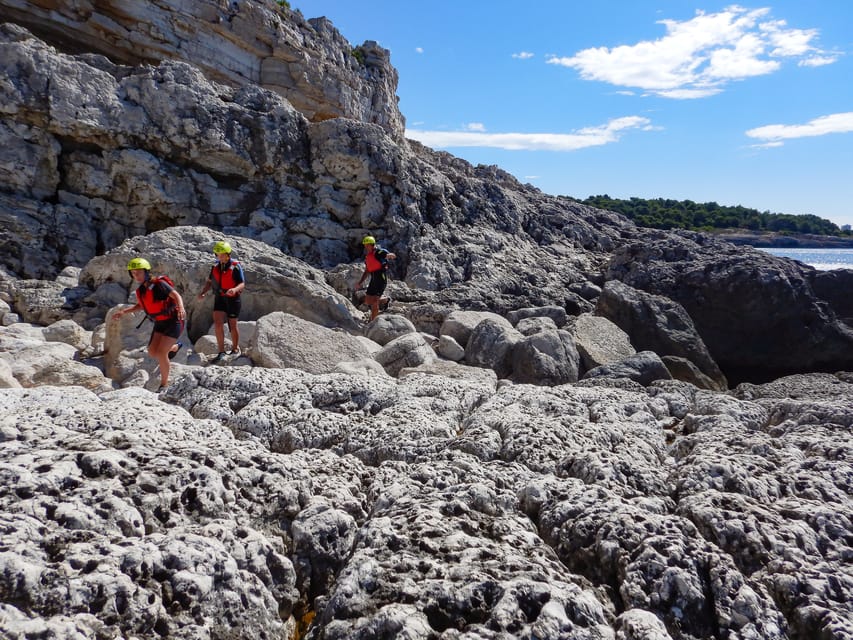
Jumping is a major highlight, and it is handled in a way that keeps you in control. You start with jumps around 0.5 meters above sea level, then go higher if you feel safe. The highest cliff jump on the route reaches up to 10 meters above sea level.
Here is what you should think about before you choose your comfort level:
- Your landing spot needs to be clear. The guide will help you find the safe angle.
- Confidence matters more than bravado. If your legs are shaky or your mind is racing, start lower and build trust.
- You do not need to match anyone else’s height. The tour is designed so your jumps can reflect your comfort.
If you want a lot of action, you can lean into higher jumps. If you are more interested in wildlife and sea-cave exploration, you can keep the jumps smaller and spend more time on the coastline routes and hidden rock sections.
Wildlife in the Intertidal Zone: Crabs, Tiny Fish, Sea Cucumbers
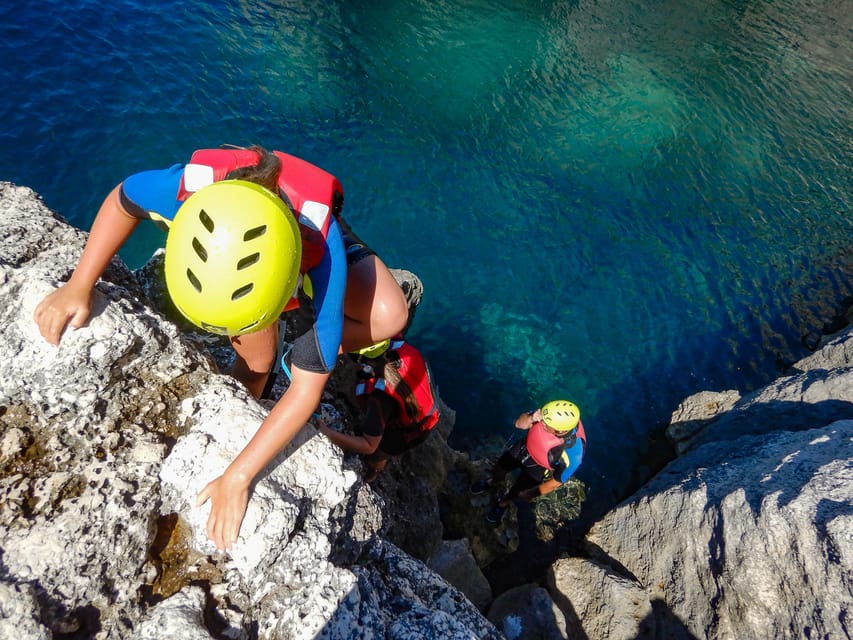
This is the part that turns the coast into a living museum. Your guide points out animals living in the intertidal zone, and you learn how they survive where land and sea constantly negotiate.
You will spot crabs and tiny fish, and you may also see sea cucumbers attached to or near the rocks. The animals are not floating out in the open. They cling, hide, and stay where waves and currents move around them.
A good tip for getting more out of this: slow down when the guide stops. It is easy to think you are just admiring scenery while your brain stays in jump-mode. The wildlife learning works best if you pause and actually look where the guide indicates, often at the darker, textured parts of rocks where creatures blend in.
This is also where the guide’s storytelling helps. One thing I value in guides is when they make the place feel specific, not generic. Guides here share nature and history stories about the region, and that makes what you see feel connected to Pula, not just to water and rocks.
Photos Taken Mid-Leap: Why They Feel Worth It
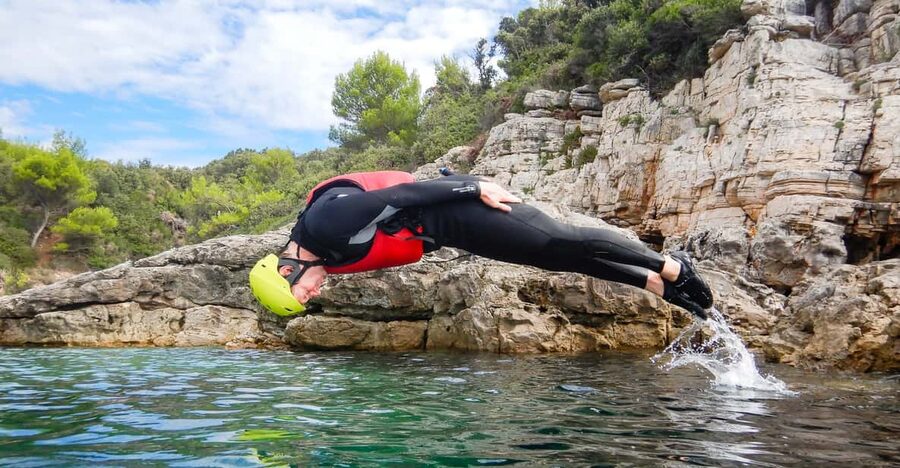
Digital photos taken during the activity are included, which is a big deal for this kind of adventure. Coasteering moves fast. You spend your attention on your next footing, your next jump, or your next careful step, not on capturing images.
Having a guide capture your mid-leap moments means you get action shots without needing to stop. You also avoid the awkward choice between safety and a phone in your hand.
I also like that the guide snaps photos along the way, not only at one highlight. That gives you a better story: you see the journey across rocks, the cave or canyon moments, and the jump sequence.
From what I’ve seen with similar guided adventures, this is often where value quietly shows up. You pay for the gear, the route, the safety, and the photos. Getting the photos makes the memories easier to share and easier to keep.
The Guide Makes the Difference: Thea and Lia Stand Out
Guides are the engine of this trip. You are dealing with uneven rock, water movement, and optional jump heights, so having someone who can read the group and teach quickly matters.
The experience has guides like Thea and Lia, and the tone coming through from them is consistently practical and friendly. One guide also speaks German and English, which helps if you are traveling as a couple or group with mixed languages.
The best guides do two things at once: they keep the pace moving and they keep you calm. They give you instructions you can trust, and they make the natural setting feel understandable instead of random.
Who Should Book This Coasteering Adventure (And Who Should Skip It)
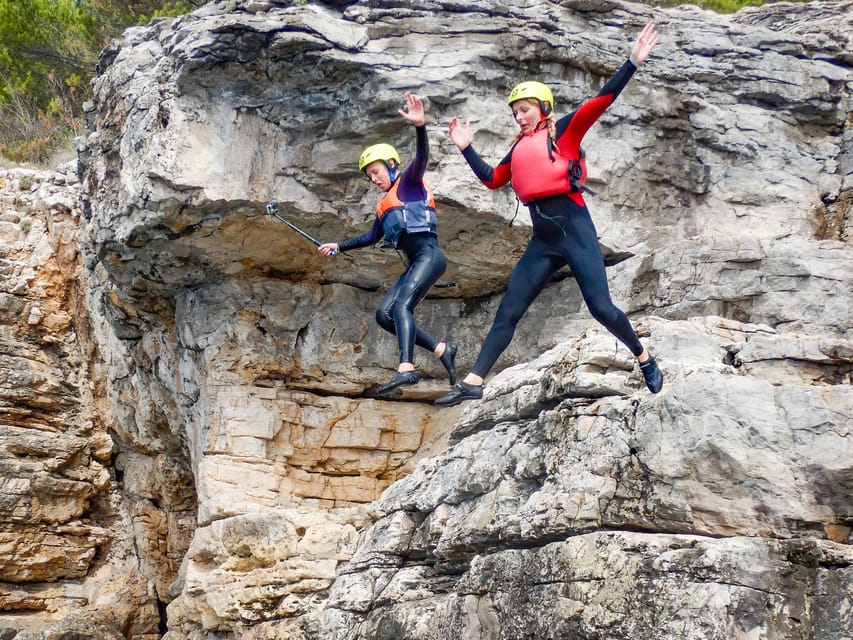
This tour fits best if you want a hands-on shoreline experience and you can handle a few physical challenges. It is not just about swimming. The route includes climbing, scrambling, and jumps, plus time exploring caves and rocky features.
It is specifically not suitable for:
- Children under 12 years
- Pregnant women
- People with mobility impairments
- People with vertigo
- Non-swimmers
- People with low level of fitness
If you are a strong swimmer but nervous about heights, you can still choose smaller jumps at the start and follow the guide’s progression. If you are nervous about climbing or uncertain about footing, this might be harder, because the activity expects you to move actively.
If you are the type who likes learning while doing, you’ll probably love it. If you want a calm beach day with easy walking, you might find it too active.
What to Bring, What Not to Bring, and Small Comfort Wins
Bring:
- Swimwear
- Change of clothes
- Towel
- Snacks
- Water
- Water shoes
Do not bring alcohol or drugs, and do not go barefoot. The water shoes are especially important for comfort and traction on rocky surfaces.
A small practical mindset helps: think in layers. You can be in wetsuit mode while moving, then switch quickly to dry clothes once you are done. That is why the change of clothes and towel matter more than they sound.
Also, pack snacks and water because you are out there working up an appetite. The tour is active, and your body will notice.
Weather Matters: If It’s Bad, the Coast Waits
Bad weather changes everything on a rocky coastline. If conditions are not right, the activity will not take place, and you will be offered an alternate date or a refund. That’s the honest approach for safety.
So plan this adventure early enough in your Pula trip that you have flexibility to reschedule. If you schedule it as your last day and the weather turns, you might lose your only option.
Is It Good Value at $47 Per Person?
For $47 per person, you are paying for more than just access to a coastline. You are getting:
- safety gear (wetsuit, life vest, helmet)
- a guide to lead you along caves, tunnels, and canyon-like rock features
- supervision for climbing, scrambling, and jumps at your comfort level
- digital photos taken during the activity
That bundle is what makes the price feel reasonable. Coasteering without guidance is a different risk level, and doing it without the photo component means you might leave with great memories but few shareable images.
In short, this is a good value if you want an experience that mixes action, learning, and a photo set you will actually use.
Should You Book It?
Yes, if you want an active Pula experience that is more than sightseeing, and you like the idea of learning intertidal wildlife while moving through sea caves and hidden rock formations. You should also book if you care about having action photos captured for you.
No, if you are not a confident swimmer, you feel uncomfortable with heights, or you have mobility limits or vertigo. This is built for dynamic movement and safety-informed jumping choices, not an easy walk.
If you match the activity style, you’ll come away with a stronger connection to Pula’s coastline, plus photos that show you were really in it.
FAQ
Where is the meeting point for the coasteering adventure?
Meet at Valovine Beach at the Kayak and SUP beach rental centre. The GPS coordinates are 44.861922, 13.810854.
What should I bring for the activity?
Bring swimwear, a change of clothes, a towel, snacks, water, and water shoes.
What equipment is included?
You get a wetsuit (short or long depending on the season), a life vest, a helmet, and a guide.
Are alcohol and drugs allowed?
No. Alcohol and drugs are not allowed during the activity.
Is this suitable for children?
No. It is not suitable for children under 12 years.
What is the highest jump height?
Jumps start around 0.5 meters above sea level and can go higher if you feel safe, with the highest cliff listed at 10 meters above sea level.
Do I need to be a swimmer?
Yes. The activity is not suitable for non-swimmers.
What happens if the weather is bad?
If weather is bad, the activity will not take place. You will be offered an alternate date or a refund.
What languages do the guides speak?
The languages listed are English and Croatian.
Newest Croatia reviews on the site
- Krka National Park – Private Excursion from Dubrovnik with Mercedes Vehicle★ 5.0 · 4 reviews
- Private Boat Tours Dubrovnik to island Korcula★ 5.0 · 4 reviews
- Korcula, Ston, Wine Tasting and Lunch – Tour from Dubrovnik★ 5.0 · 3 reviews
- Montenegro Kotor Bay with Boat Ride to The Lady of the Rock★ 4.5 · 46 reviews
- Korčula & Ston: Island Charms, Pelješac Delights & Wine Tasting★ 4.0 · 6 reviews
- Korcula Private Tour★ 5.0 · 4 reviews
- Croatia Family Multi Activity Holiday package★ 4.0 · 91 reviews
- Korcula Private Tour from Dubrovnik★ 5.0 · 9 reviews
Photography Sessions, compared.
Kayaking, Snorkeling, Cliff jumping, photos included
Read our review →
Rafting in a small group with caving & cliff jumping,free photos & videos
Read our review →
BUBA-Kayak Tours Rovinj FREE-drinks,pictures,snorkeling equipment
Read our review →
Kayak Tour, Cliff Jumping, Snorkeling & GoPro Pictures
Read our review →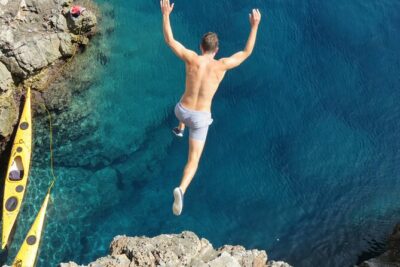
Full Day Kayaking and Snorkeling to Green Cave with GoPro photos
Read our review →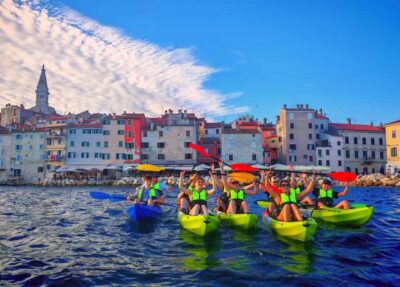
Amazing kayak tour &snorkeling &free drink &photos
Read our review →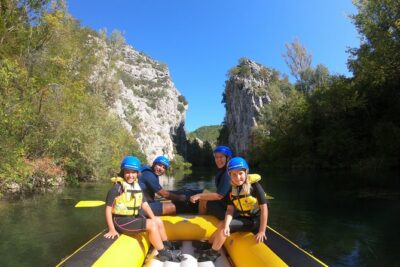
Private rafting on Cetina river with caving & cliff jumping,free photos & videos
Read our review →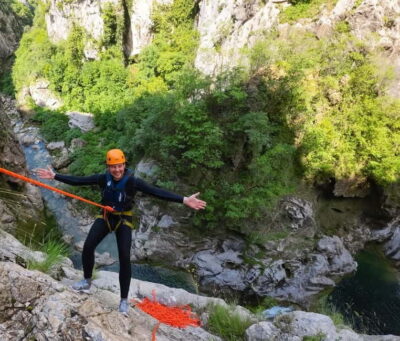
Iz Omisa: Extremni Canyoning na rijeci Cetini/ Free photos
Read our review →Browse the lists this tour appears in