
Review · WALKING TOURS
Rovinj: Guided Walking Tour
Rovinj’s story is written in stone. In 90 minutes, this guided walk shows you how the town formed, why Bridge Square has no bridges, and how Rovinj became an island. I also love the practical, good-time stop at the waterfront, where it’s the perfect spot to grab an Aperol Spritz. One drawback to plan for, half the walk runs over cobblestones and the church climb can be tricky if you have limited mobility.
The guide is a Rovinj native, and the English can be very clear, with plenty of humor along the way. Many tours are led by Goran, and the vibe is more local Q and A than lecture, including where locals buy fruits and vegetables, where to find coffee with a top view, and where to chase top-tier cakes and gelato. If you want a slow, kid-gloves pace, this is still doable, but you should know it’s a walking tour meant to move you through the viewpoints.
In This Review
- Key Highlights You Will Actually Use
- Getting Oriented at the Farmers Market Area
- Valdibora Square and the Landfilled Channel That Made Rovinj an Island
- Carera Street Wealth, Trade Routes, and Why the Town Feels So Old
- Bridge Square, the Missing Bridges, and the Waterfront Break for an Aperol Spritz
- Through the Cobblestone Maze to the Old Jewish Ghetto Area
- Climbing to Saint Euphemia Church for the Best Sunset View
- Local Coffee, Cakes, Gelato, and Beach Pointers That Feel Like a Cheat Code
- Price, 90 Minutes, and Why $32 Often Feels Fair
- Who Should Book This Rovinj Walking Tour (and Who Should Skip It)
- Should You Book This Tour?
- FAQ
- Where does the tour start?
- How long is the Rovinj guided walking tour?
- How much does the tour cost?
- What languages are available for the live guide?
- What is included in the price?
- Is food or drinks included?
- Where does the tour end?
- Is this tour suitable for people with mobility impairments?
- Can I cancel and get a refund?
Key Highlights You Will Actually Use
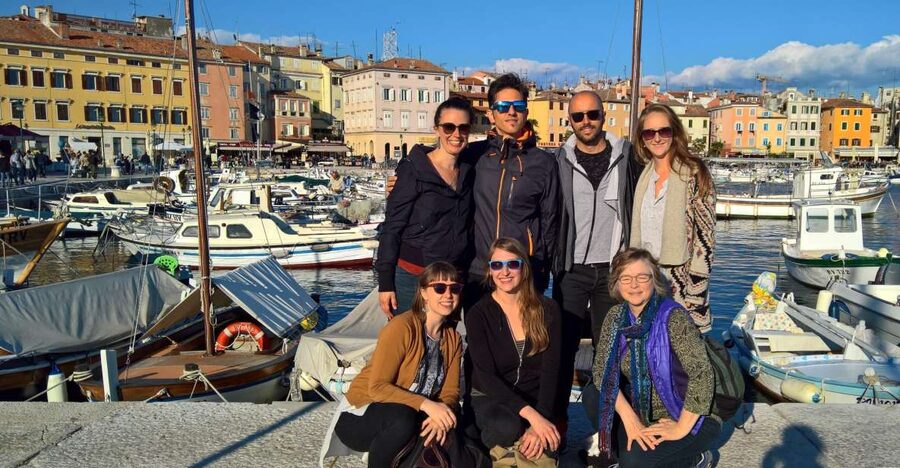
- Valdibora Square explains the landfilled channel that made Rovinj an island about 1,000 years ago
- Bridge Square has no bridge, and your guide tells you exactly why
- Carera Street trade stories link olive oil, fish, and wine to the wealth you still see in the streets
- Old Jewish Ghetto area by the Arch of the Bearded gives you context you will not get from quick sightseeing
- Saint Euphemia church is the sunset finish point, with a view that feels earned after the climb
- Local life tips include where to drink coffee with the best view, plus beach areas and dessert stops
Getting Oriented at the Farmers Market Area
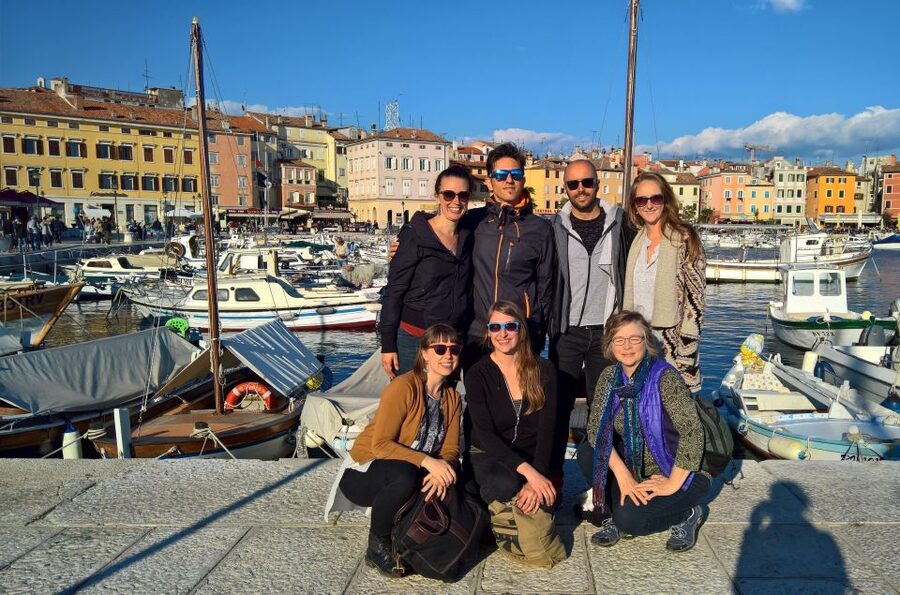
The tour starts just off the action of the local farmers market, at a white WWII memorial on Pietra Ive street. That’s a smart meeting point because it puts you in the lower town right away, where the pace feels realistic and you can see how locals actually live their day.
From there, you’ll be with a local licensed guide who was born in Rovinj. In practice, that matters because the tour is not only about big landmarks, it’s about street-level explanations, like what you are looking at and why it is shaped the way it is. You also get real-time answers. If you wonder why a certain building is where it is, or how the coastline used to work, the guide can respond on the spot.
Duration is 90 minutes, so this is built for getting your bearings fast. The route is a mix of flat sections and up-and-forward old-town walking, then a steady push toward the church finish. Wear shoes that handle cobblestones, because that part of Rovinj is not carpeted.
More Walking Tours in Rovinj
- Rovinj walking tours
★ 5.0 · 94 reviews - Private walking tour Opatija -Romantic spotlight of the Adriatic
★ 5.0 · 12 reviews - Romantic Rovinj – a private walking tour
★ 5.0 · 8 reviews
Valdibora Square and the Landfilled Channel That Made Rovinj an Island
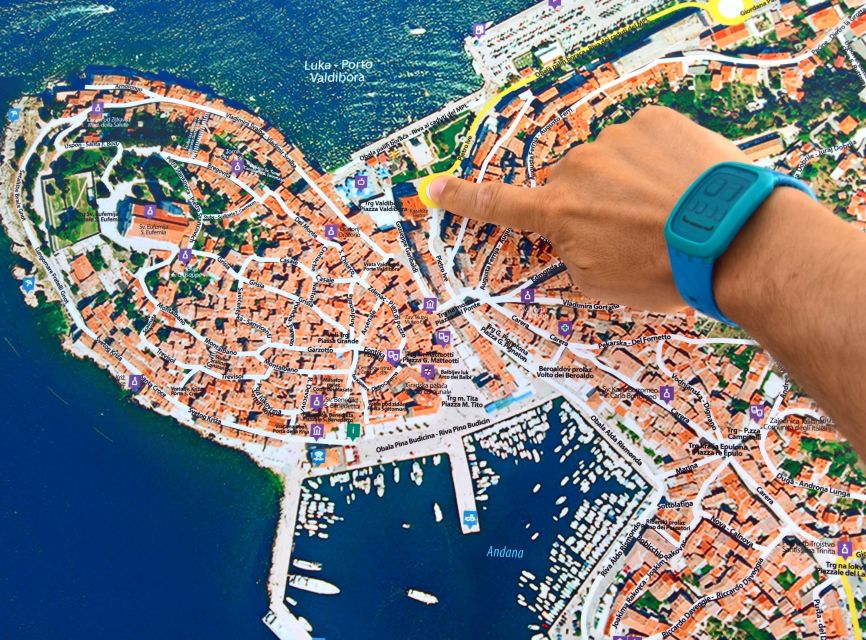
Your first big viewpoint stop is Valdibora Square. This is one of the first places people notice when approaching Rovinj from the north, so it’s a perfect place to start with the “how it all began” story.
Here’s the key detail the guide will bring to life: you will find out exactly where the channel and the respective bridge used to be. Then you learn how the channel was landfilled about 1,000 years ago, which turned Rovinj from something closer to a separated area into the island city identity you feel today.
This is the kind of explanation that changes how you walk the rest of the old town. Instead of seeing cobbled streets and viewpoints as disconnected postcard moments, you start to read them as parts of a shoreline and movement system that had to adapt when water, access, and building changed over centuries.
If you like history, you’ll enjoy how the guide translates it into plain language. If you do not, you will still get value, because the island story helps you understand why the town feels so “contained” and why the sea views appear so often.
Carera Street Wealth, Trade Routes, and Why the Town Feels So Old
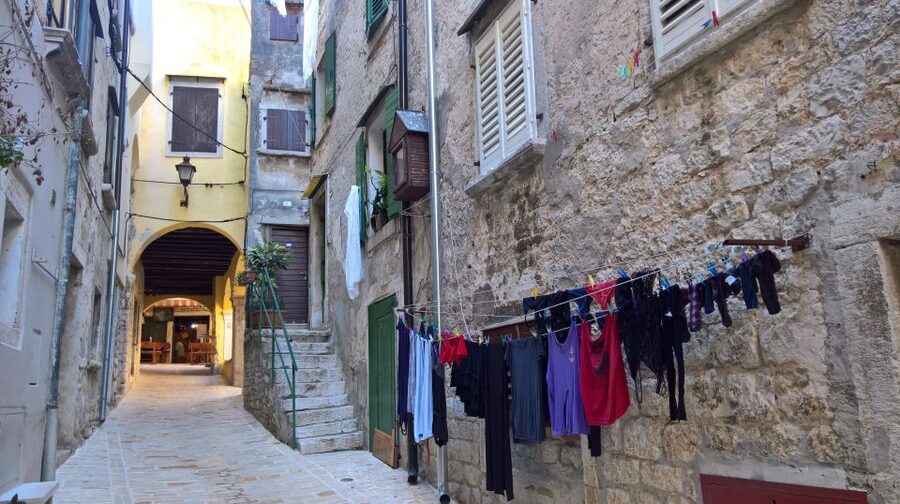
After Valdibora Square, you’ll walk along Carera Street. This is where Rovinj starts to feel like a trading city, not just a scenic one.
The tour connects the street to wealth built through commerce in the 18th century, specifically through olive oil, fish, and wine. That sounds like a textbook list until you watch how the guide points out what you can still see in the urban fabric. Grander buildings and a denser street pattern make more sense when you understand what was funding them.
Carera Street is also a good moment to slow your eyes down. Let your attention travel upward to façades and inward to street turns. Rovinj can trick you into thinking it’s all charm. This stretch reminds you that charm often comes from money, or at least from trade that kept money flowing.
One practical note: the tour stays focused and time-bound. You get stops that matter for understanding the city, then you move again. This is ideal if you want your Rovinj day to feel efficient, without feeling rushed through everything.
Bridge Square, the Missing Bridges, and the Waterfront Break for an Aperol Spritz
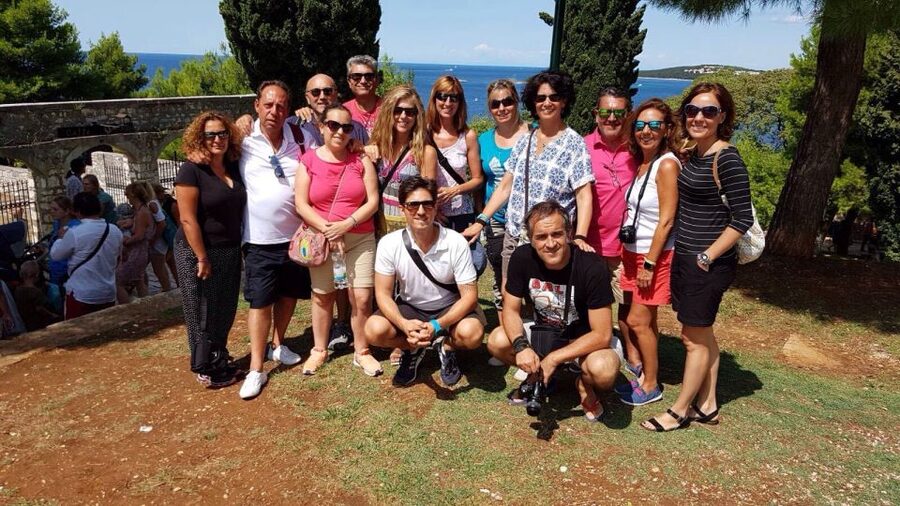
One of the tour’s best “wait, what?” stops is Bridge Square. The headline detail is simple: you discover why there are no bridges at Bridge Square today. The guide ties it back to the coastline and waterways story, so it does not feel random or like a trivia question.
From there, the tour heads to the waterfront, which the experience positions as a must-see destination and a perfect spot for an Aperol Spritz. This is one of those pauses that make the whole walk feel rewarding. After cobbles and turns, you get breathing room and a view that makes you understand why Rovinj’s skyline draws people in.
Important practical point: drinks are not included. The stop is about location and timing, not providing your Aperol. If you want to sit, you will pay as you would anywhere in town.
This waterfront section also works well for photos, but I like it more for the way it resets your perspective. You see the waterline and how the city faces outward, then you can walk back into the maze of streets with a better sense of direction.
Same coastline, a different sort of day:
- Vrsar: Dolphin Watching Boat Tour including Drinks
★ 4.6 · 1,227 reviews - Rovinj: Sunset Cruise with Swim Stop, Drinks, and Fruits
★ 4.9 · 944 reviews - Rovinj: Sunset Boat Trip with Dolphin Watching
★ 4.6 · 644 reviews - Vrsar: Dolphin-Watching Sunset Adventure with Speedboat
★ 4.8 · 624 reviews
Through the Cobblestone Maze to the Old Jewish Ghetto Area
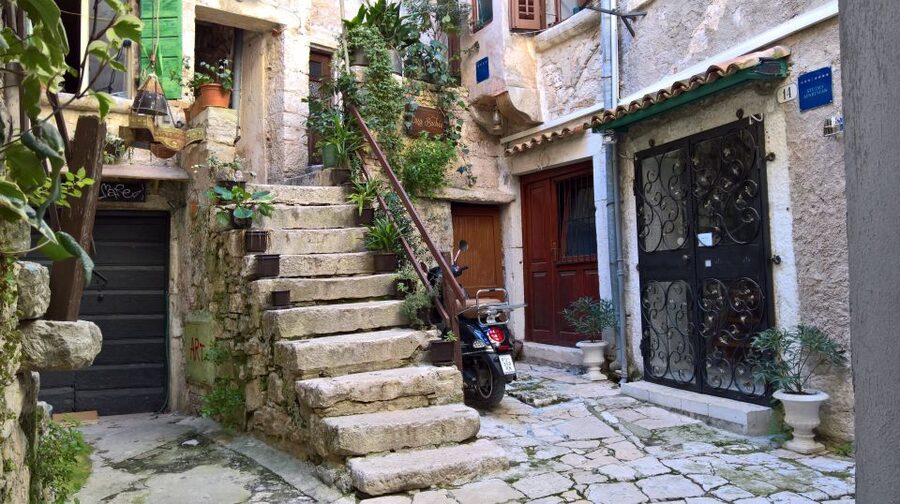
The walk moves from open views back into the tight geometry of Rovinj’s old streets. You’ll navigate a maze of cobbled lanes toward the old Jewish Ghetto and stables area.
This stop is anchored by a specific point: the Arch of the Bearded. The guide explains the old Jewish quarter just off that arch area, which helps you pinpoint where you are and why it mattered. Instead of roaming without a map, you follow a storyline through the streets.
One reason I recommend this part of the tour is that it gives context while you are physically in the space. Architecture and street shape stop being background. You start to understand how neighborhoods and community life fit into the larger city layout.
You’ll also follow ancient city walls toward the upper part of the hill. That transition is more than a climb. It’s a shift from street-level detail to the broader city view, and that change helps the history stick. When you reach higher ground, you can look down and connect the earlier explanations to the real geography.
Climbing to Saint Euphemia Church for the Best Sunset View
The tour ends at the Church of St. Euphemia, and the finish location is part of the whole value. You’re placed for a top sunset view in the Adriatic, which means you can keep the magic going without hauling yourself somewhere else after the walk.
The route includes walking along or near ancient city walls up to the top of the hill. Even though the walk up is described as fairly easy, Rovinj’s cobbles and incline can still feel like work. The key is that you are not sprinting. You are moving at a pace designed for a guided explanation, with enough stops to absorb what you are learning.
This is also where the day becomes practical. By the time you reach the church area, the guide’s tips about where to eat and drink start feeling more relevant. You know what direction you walked from, what viewpoints you passed, and what parts of the city are best for lingering.
If you have limited mobility, note the tour is not suitable for people with mobility impairments. That is not just legal wording. The cobbled streets and the church climb are real constraints, even if some segments are manageable for many walkers.
Local Coffee, Cakes, Gelato, and Beach Pointers That Feel Like a Cheat Code
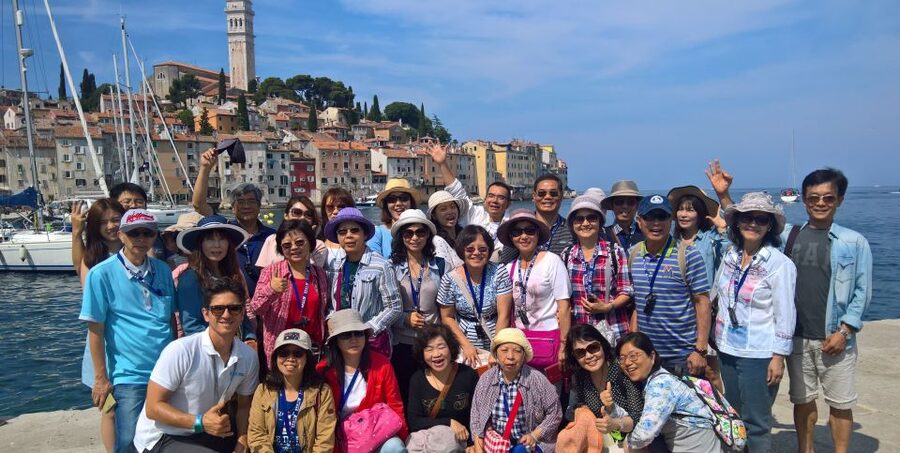
What surprised me about this tour is how often the guide shifts from history into daily life. This is where the Rovinj native approach really pays off.
The tour includes pointers on where locals buy their fruits and vegetables, which is a great reality check after looking only at menus and gift shops. You also get advice on the best coffee made with the best view, plus where to find sublime cakes and gelato. That matters because Rovinj is full of places that look similar from the outside. The guide helps you choose based on what actually works in the city.
You’ll also get guidance on the best beach areas. Even if you do not plan to swim, knowing where the better shore sections are can help you plan a relaxed afternoon. It also helps you avoid wasting time on beaches that are fine, but not special.
And yes, dessert and coffee tips are not just a random add-on. They are timed so you can continue the experience after the walk. Ending at St. Euphemia for sunset keeps you high and near views, while the guide’s food suggestions help you decide what to do for the rest of your evening.
Price, 90 Minutes, and Why $32 Often Feels Fair
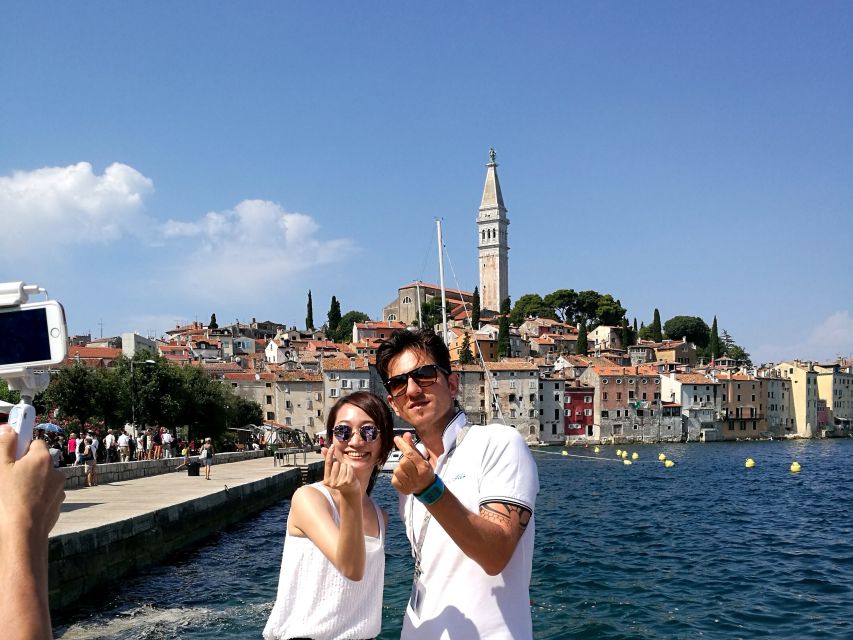
At $32 per person for 90 minutes, this is priced like a serious orientation walk rather than a short, casual stroll. The value comes from three things.
First, you get a local licensed guide who is from Rovinj, so you are paying for interpretation, not just movement between photos. Second, the tour packs several “story stops” that connect geography to history, including the island formation via the landfilled channel and the no-bridge mystery at Bridge Square. Third, you leave with actionable recommendations for coffee, cakes, gelato, fruit and vegetables, and beach areas.
In reviews, many people highlight the guide’s humor and how engaging the explanations feel. The guide’s clear communication is another recurring point, especially with English. Also, group size can stay small. For example, one reported group had five people, which helps the guide speak to everyone and answer questions.
The only cost that can add up is anything you choose to buy. Aperol Spritz, coffee, cakes, and gelato are all in the experience plan as locations and recommendations, but personal expenses are not included. If you stick to just the walk, your budget stays clean.
Who Should Book This Rovinj Walking Tour (and Who Should Skip It)
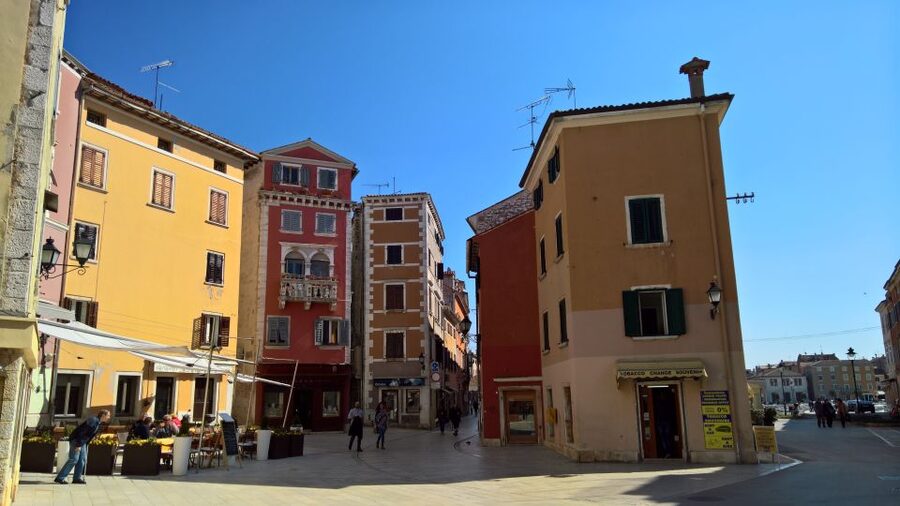
This tour is a great fit if you want to see Rovinj’s old town with structure. It’s especially suited to travelers who like learning why places look the way they do, not just seeing what they look like.
I think it works well for couples, solo travelers, and small groups who want a local perspective on both history and daily life. The guide’s humor and question-friendly style also make it a good option for people who get bored with speeches.
Skip it if you have mobility impairments. The tour is not suitable for people with mobility impairments, and half of the walk takes place in the historic old town on cobblestones. The church climb is described as fairly easy, but that still means you should be cautious about footing.
Should You Book This Tour?
Book it if you want a fast, meaningful overview of Rovinj that goes beyond postcards. The island formation story, the Bridge Square explanation, the Jewish Ghetto area by the Arch of the Bearded, and the St. Euphemia finish combine into a route that feels logical when you are walking it.
Also book it if you care about where to eat and drink. The coffee view tips, the fruit and vegetable pointers, and the guidance on cakes and gelato are exactly the kind of practical knowledge that makes your next few hours better.
Skip it only if cobblestones and a hill climb are not your friends. If that part is difficult, you will enjoy Rovinj more by choosing a flatter plan.
If you can handle uneven pavement, this is one of the simplest ways to understand Rovinj quickly, then enjoy the town on your own with better choices.
FAQ
Where does the tour start?
Meet your guide in front of the white WWII memorial on Pietra Ive street, just off the farmers market.
How long is the Rovinj guided walking tour?
It lasts about 90 minutes.
How much does the tour cost?
The price is $32 per person.
What languages are available for the live guide?
The tour is offered in English, Italian, Portuguese, French, and Croatian.
What is included in the price?
The price includes a local licensed and professional guide.
Is food or drinks included?
No. Personal expenses such as food and drinks are not included.
Where does the tour end?
The tour ends at the Church of St. Euphemia, a prime location for sunset views.
Is this tour suitable for people with mobility impairments?
No. It is not suitable for people with mobility impairments due to cobblestones and the walk up to the church.
Can I cancel and get a refund?
Yes. You can cancel up to 24 hours in advance for a full refund.
Newest Rovinj reviews on the site
- Rovinj: Sunrise Dolphins & Fishermen at Work Speedboat Tour★ 4.8 · 32 reviews
- Rovinj: Red Island & Lim Fjord boat tour with BBQ & Swimming★ 4.8 · 112 reviews
- Rovinj: Sunset & dolphin group tours with Catamaran★ 5.0 · 227 reviews
- Rovinj Sunset kayaking tour★ 4.9 · 8 reviews
- Rovinj or Vrsar: Lim Fjord & Rovinj islands Speedboat Tour★ 4.9 · 10 reviews
- Rovinj: Rovinj Archipelago and South Coves Speedboat Tour★ 5.0 · 7 reviews
- Rovinj: Shared Dolphin and Sunset Tour with Drinks★ 4.6 · 47 reviews
- Rovinj: Luxury Old Town Night Cruise with Drinks★ 4.8 · 12 reviews
Walking Tours, compared.
Walking Tour of Split and Diocletian’s Palace
Read our review →
Krka Waterfalls tour with Trogir Walking tour and Krka panoramic boat cruise
Read our review →
City Walls Early Morning or Sunset Walking Tour
Read our review →Browse the lists this tour appears in