
Review · WALKING TOURS
Best of Zagreb Walking Tour
Zagreb has a way of surprising you fast. This walking tour pairs classic sights with the kinds of stories that make the streets feel current, not just old. I really like the small group size, which keeps questions flowing, and the local tasting that gives you a taste of everyday Zagreb. One thing to plan for is the walking, since it is not recommended if you have limited mobility, and sacred stops require covered sleeves and knees.
The tour moves through the Upper Town at a smart pace for about three hours, with clear photo moments and enough context to help you connect the dots. You also get an English live guide who brings out details, from traditions like Kumica to the daily cannon moment at Lotrščak Tower. If you want a low-effort sit-down museum style, this is not that, but if you like moving through the city while learning, it is a strong fit.
In This Review
- Key highlights worth your time
- Zagreb’s best walk starts at Ilica, then climbs into stories
- Grič Tunnel and the funicular shortcut you will remember
- Main Square stop: a quick history anchor
- Zagreb Cathedral: where the biggest church becomes a viewpoint lesson
- Upper Town market site and the Kumica tradition
- Stone Gate: a “what’s under there” story moment
- St. Mark’s Square: kings, rebellions, and how power echoes in stone
- Lotrščak Tower and the daily canon photo timing
- The guide makes the difference: Iva’s style that keeps it moving
- Price and value: $84 for up to 2, plus a tasting
- What you should bring, and what to wear for sacred places
- Who should book this Zagreb walking tour
- Should you book Best of Zagreb Walking Tour?
- FAQ
- Where is the meeting point?
- How long is the tour?
- What does it cost?
- Is this a small group tour?
- What language is the tour in?
- What is included in the price?
- What is not included?
- What should I wear or bring?
- Is the tour suitable for people with mobility impairments?
- What are the cancellation and payment options?
Key highlights worth your time
- Grič Tunnel to the shortest funicular in the world, a quick start with instant wow factor
- Zagreb Cathedral and the surrounding Upper Town viewpoints that make the area easy to understand
- Old market site in the Upper Town, plus the local story behind Kumica
- Stone Gate, including an unusual tale said to lie beneath the walls
- St. Mark’s Square and church, with stories tied to kings and peasant rebellions
- Lotrščak Tower, where the daily canon creates a built-in photo and timing moment
Zagreb’s best walk starts at Ilica, then climbs into stories
Meeting at Ilica 50 puts you right in the flow of the city, and it also makes the tour feel practical. You begin with a guided walk that is not just about landmarks. The guide uses the streets as the map, so each stop explains how life in Zagreb used to work, and how it still shows up today.
This is a three-hour experience that feels focused rather than rushed. There is time for short pauses, including photo stops and a small market visit. The overall walking time adds up, so comfortable shoes matter, especially on uneven cobblestones in the Upper Town.
More Walking Tours in Zagreb
- Zagreb: City and WWII Tunnels Walking Tour
★ 4.9 · 1,230 reviews - Zagreb: City & History Walking Tour & WW2 Tunnels
★ 4.9 · 1,202 reviews - Walking tour of Zagreb
★ 5.0 · 383 reviews
Grič Tunnel and the funicular shortcut you will remember
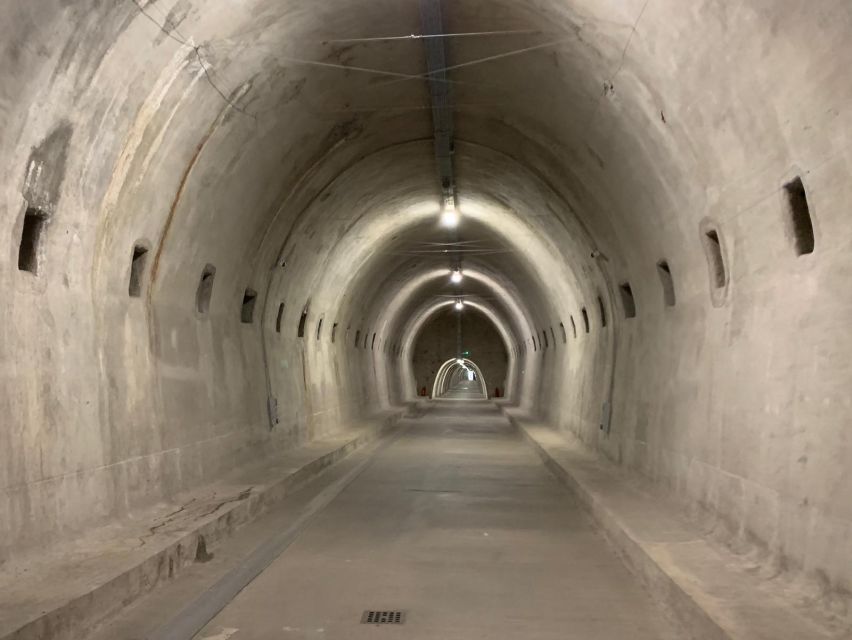
The tour’s first big mental shift happens immediately as you pass through the Grič Tunnel. It is a fast way to change levels and atmosphere, and it sets up the next wow factor: you are led toward the shortest funicular in the world.
Even if you do not ride it, the funicular is part of the story of how people move in this part of Zagreb. The guide’s framing helps you see it as practical infrastructure, not just a quirky fact. If you like travel moments that feel both scenic and functional, this start hits the sweet spot.
Main Square stop: a quick history anchor
After the early tunnel and funicular intro, there is a brief stop at the main square. This is your foundation moment. The guide ties Zagreb’s past to what you can see now, so later stops make more sense instead of feeling like separate photo ops.
This kind of orientation matters because the Upper Town can feel like a maze if you arrive cold. A short history anchor gives you a reference point for buildings, traditions, and the way different areas connect.
Zagreb Cathedral: where the biggest church becomes a viewpoint lesson
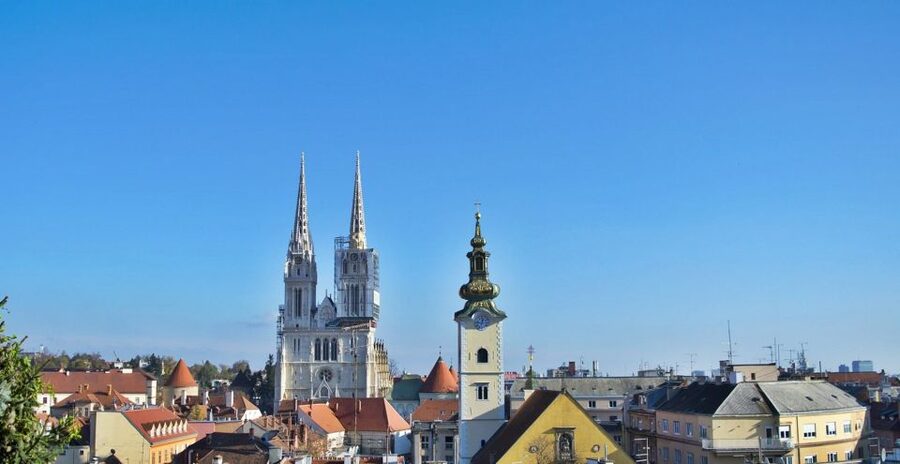
The tour next highlights the Zagreb Cathedral, described as the biggest Croatian sacred building and one of Croatia’s valuable cultural heritage monuments. This is not treated like a quick glance-and-go stop. The guide introduces why the cathedral is important and how it fits into Zagreb’s identity.
You will want to plan for the sacred-places rules. The guidance is to cover sleeves and knees before entering. It is the kind of small preparation that makes the visit smooth and keeps you from scrambling for a scarf or layer at the last minute.
If you like architecture but also like context, this stop works well. It gives you something to look at, and it explains why those features matter beyond aesthetics.
Same coastline, a different sort of day:
- From Zagreb: Plitvice & Rastoke Guided Day Trip with Ticket
★ 4.9 · 2,955 reviews - Zagreb: Rastoke & Plitvice Lakes Guided Tour with Ticket
★ 4.9 · 1,897 reviews - Communism & Croatian Homeland War Tour
★ 5.0 · 1,355 reviews - From Zagreb: Ljubljana and Lake Bled Tour
★ 4.8 · 1,021 reviews
Upper Town market site and the Kumica tradition
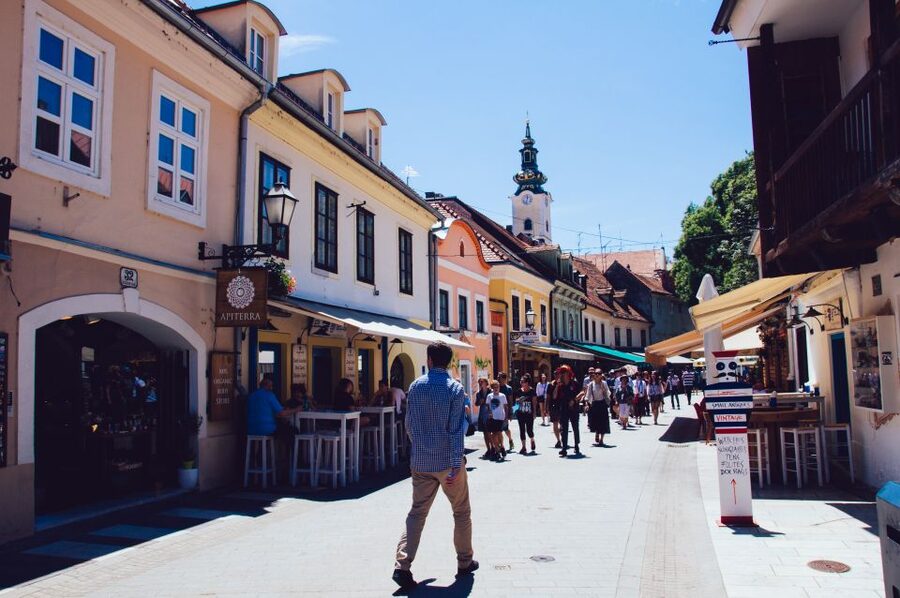
One of the most interesting parts is the shift from big monumental stops to everyday tradition. You visit the oldest open market site connected to the demolished old walls in the Upper Town. The guide frames this as more than a location. It becomes a story about how people traded, gathered, and stayed connected as the city changed.
You also learn about Kumica, a local figure tied to one of Zagreb’s oldest traditions. It is the type of detail that makes a walking tour feel personal. You are not just hearing names and dates. You are learning how people recognize each other and how customs carry forward.
There is a market component as well, with a local product tasting included. Food and drinks are not included, so you are not going to be over-fed on the tour, but the tasting gives you a meaningful taste of what is local rather than just snapping photos.
Stone Gate: a “what’s under there” story moment
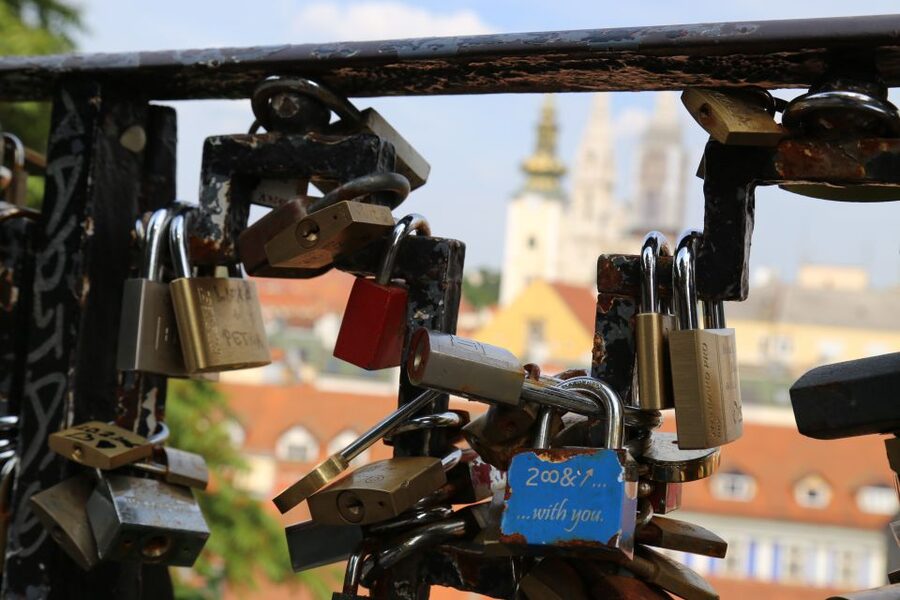
Next comes the Stone Gate, described as one of the best preserved monuments of old Zagreb and a symbol for the city. It is a strong stop for two reasons.
First, it helps you visualize how the city used to defend and organize itself through walls and gateways. Second, the guide shares one of the most unusual stories said to lie beneath these old walls.
That under-the-surface angle is exactly why this tour works for curious travelers. It turns a gate you might otherwise photograph into something you understand. Even if you are not sure you care about legends, the way the guide connects it to place makes it feel grounded, not random.
St. Mark’s Square: kings, rebellions, and how power echoes in stone
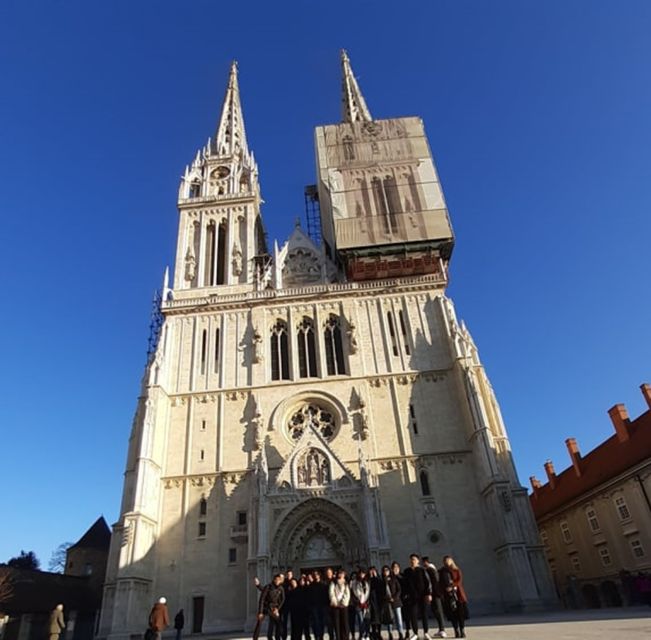
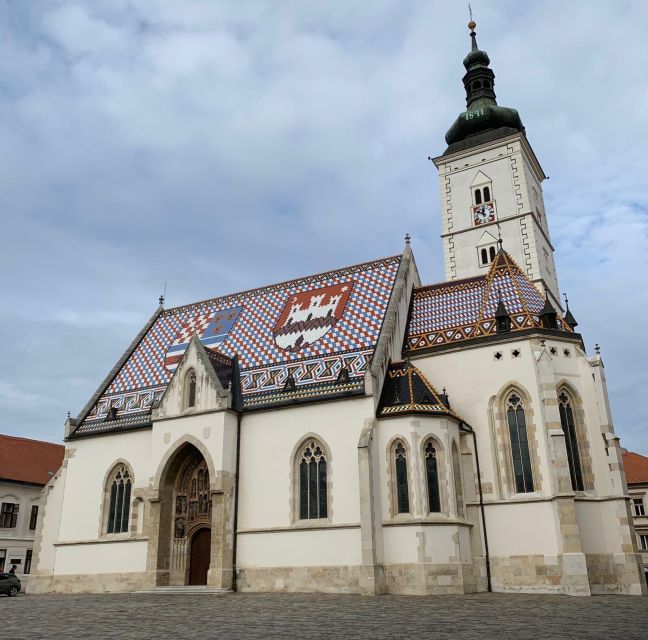
The tour heads to St. Marko square and church, another Upper Town anchor. The guide shares stories that go beyond religious architecture. You hear about one of the most influential kings and also peasant rebellions, along with other unique facts that connect people and politics to the space you are standing in.
This is where the tour’s storytelling tone really shows. The guide pulls you away from a checklist mindset. Instead of thinking, I saw a church, you start thinking, this space reflects conflict, authority, and how people responded.
If you like learning through narrative, this stop is a highlight. If you prefer pure visual sightseeing, it is still worth it, because the stories help you read the square like a scene.
Lotrščak Tower and the daily canon photo timing
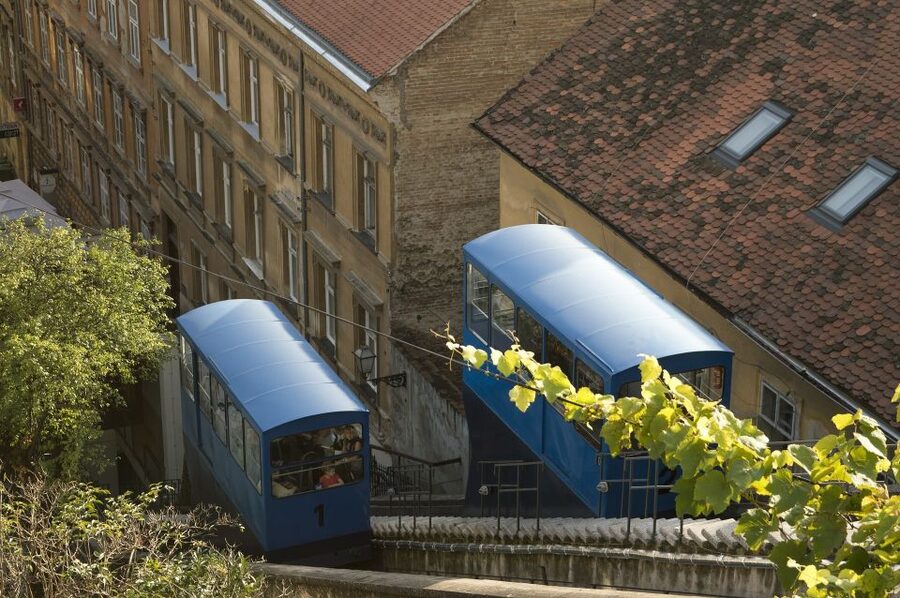
The last major action stop is Lotrščak tower. The guide explains why the canon shoots every day, and it gives you time to work that moment into your pictures.
Even without getting too fixated on timing, the tower delivers what many walking tours fail at: a clear viewpoint. You get the chance to take photos from what is framed as the best viewpoint in the city. In plain terms, it is your payoff. You look back at the streets you walked and suddenly the whole Upper Town makes sense.
This stop also fits the tour’s overall rhythm. After listening to politics, traditions, and cathedral context, you shift into a visual wrap-up. Your brain gets to store what you learned as an image.
The guide makes the difference: Iva’s style that keeps it moving
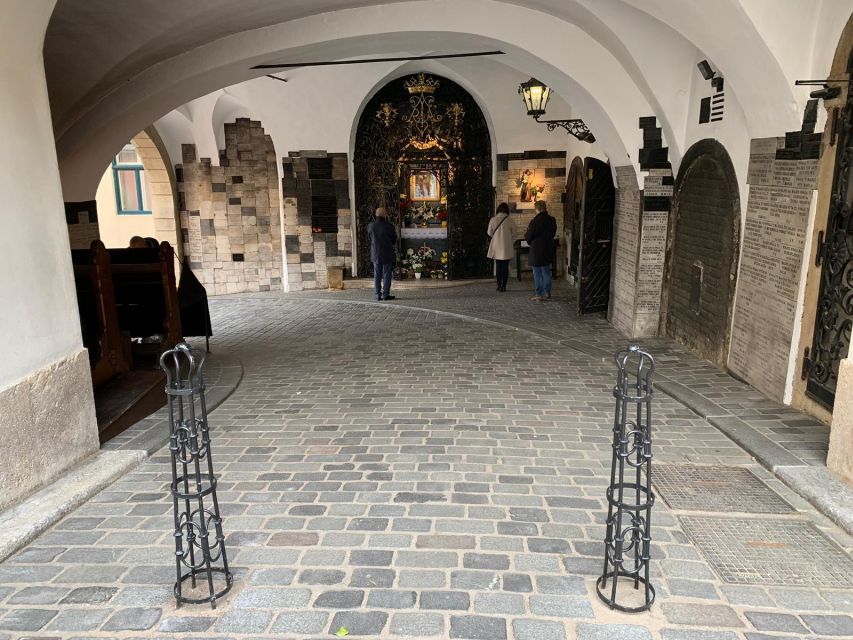
The standout theme in the experience is the guide. Iva gets repeated praise for clear English, strong historical context, and a friendly pace that keeps the group comfortable. One traveler even highlighted that she made private touring feel easy, including an arranged start from a hotel for convenience.
What I like about this style, from a practical point of view, is how it affects your experience. When a guide answers questions thoroughly, you stop worrying that you missed something. When the walk moves at a human pace, you remember more because you are not rushing through each stop.
You will also notice attention to detail. One example mentioned by visitors is how she can point out specifics even on sculptures, including the names of horses. That kind of precision is a sign you are not getting generic copy-paste city facts.
Price and value: $84 for up to 2, plus a tasting
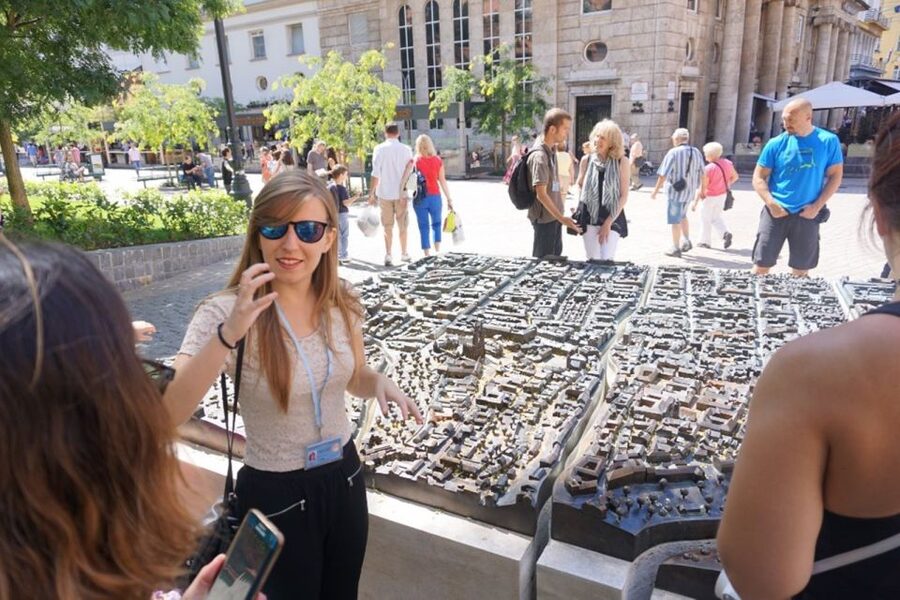
At $84 per group up to 2, the price can be a good deal, especially if you are booking as a pair. For this length of time, you are essentially paying for a guided, story-led walking route plus a market tasting. Food and drinks are not included, so you are not stuck with a meal you did not want.
The value becomes clearer when you compare what you receive:
- A licensed local guide in English
- A guided route through key Upper Town highlights
- A local product tasting
- A small group limited to 10 participants
- Help where ticket lines apply, since there is a ticket line skip
If you are traveling solo, it may still be worth it if you care about learning quickly and want fewer people asking questions. If your idea of a trip is roaming without structure, you might find the cost harder to justify. But if you want the city story stitched together in a few hours, this format tends to pay off.
What you should bring, and what to wear for sacred places
Plan for both comfort and modesty. The tour guidance is:
- Wear comfortable shoes
- Cover sleeves and knees before entering sacred places
This matters because the stops include the cathedral and a church area. A quick layer or scarf can save you from awkward on-the-spot adjustments. Also, since the tour is mostly walking, shoes with real grip help on older streets.
Who should book this Zagreb walking tour
This tour is best for people who want:
- A guided path through the Upper Town with story context
- A mix of major monuments and smaller tradition moments
- Clear photo viewpoints, especially at Lotrščak Tower
- Q and A time, since the group stays small
It is not a great match if mobility is limited. The tour is explicitly not recommended for people with limited mobility, and it is not suitable for people with mobility impairments. If you are unsure, you will have more peace of mind choosing a different format that better matches your pace.
Should you book Best of Zagreb Walking Tour?
I think you should book if you want a focused introduction to Zagreb that feels like it has personality. The combination of cathedral context, traditions like Kumica, and the practical fun of the Lotrščak daily canon makes the three hours feel earned, not stretched.
You should skip it if you strongly dislike walking, or if you know you cannot meet the sacred-places clothing guidance. If that is your situation, look for an option with fewer stairs and entrances.
If you do fit the walking style, this tour is a smart way to get oriented fast, learn why key places matter, and leave with photos that actually match what you learned.
FAQ
Where is the meeting point?
The tour meets at Ilica 50.
How long is the tour?
The duration is 3 hours.
What does it cost?
The price is $84 per group up to 2.
Is this a small group tour?
Yes. It is limited to 10 participants.
What language is the tour in?
The tour is conducted in English with a live tour guide.
What is included in the price?
Included items are a professional licensed local guide, visiting the highlights of Zagreb, and a local product tasting. There is also skip the ticket line support.
What is not included?
Food and drinks are not included.
What should I wear or bring?
Bring comfortable shoes. For sacred places, plan to cover sleeves and knees.
Is the tour suitable for people with mobility impairments?
No. It is not recommended for people with limited mobility, and it is not suitable for mobility impairments.
What are the cancellation and payment options?
You can cancel up to 24 hours in advance for a full refund. You can also reserve now and pay later.
Newest Zagreb reviews on the site
- Toast to the Morning After: Zagreb Museum of Hangovers Visit★ 4.0 · 39 reviews
- From Split: Transfer to Zagreb with Stop at Plitvice Lakes★ 4.6 · 44 reviews
- Private Walking Tour of Zagreb★ 4.9 · 5 reviews
- From Zagreb: Ljubljana, Postojna Cave & Predjama Castle Tour★ 4.9 · 71 reviews
- Jump into Zagreb: Walking Tour with local guide★ 4.8 · 3 reviews
- From Zagreb: Varazdin Baroque Town & Trakoscan Castle★ 4.9 · 38 reviews
- From Zagreb to Plitvice Lakes and Rastoke – Private day tour★ 5.0 · 4 reviews
- From Zagreb: Plitvice Lakes National Park Full-Day Tour★ 4.7 · 98 reviews
Walking Tours, compared.
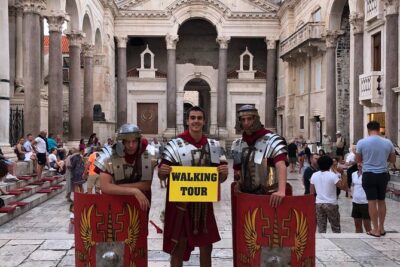
Walking Tour of Split and Diocletian’s Palace
Read our review →
Krka Waterfalls tour with Trogir Walking tour and Krka panoramic boat cruise
Read our review →
City Walls Early Morning or Sunset Walking Tour
Read our review →Browse the lists this tour appears in