
Review · MUSEUMS
Dubrovnik: Red History Museum Regular Ticket
Communism in a factory makes history feel close. I love how the Red History Museum uses interactive rooms to show daily life under the Yugoslav system, and I also love the Yugo 45 photo moment that turns heavy history into something you can actually see.
One thing to plan for: the museum is fairly small, and a few virtual-scanning elements may feel confusing if you do not get quick help from staff.
In This Review
- Key Points Before You Go
- How This Museum Helps You Read Today’s Croatia
- T.U.P. Factory Complex in Dubrovnik Port, Built in 1953
- Walking Through the Reconstructed Home and Everyday Objects
- Pop Culture in a Parallel Universe: Fake Cola, Fanta, and the Yugo 45
- Politics, Art, Design, Secret Agencies, and the Non-Aligned Thread
- Goli Otok Behind the Curtains, and Why That Part Lands Hard
- Virtual Scans and Old-Tech Effects: The Technology Mix
- Staff Explanations and the Name Viktor
- Price and Value: What $11 Buys You in Dubrovnik
- Who This Museum Fits Best
- Should You Book the Dubrovnik Red History Museum Ticket?
- FAQ
- Where is the Red History Museum located?
- What is included with the Red History Museum regular ticket?
- Is the museum focused on communist history?
- What kinds of things can I expect inside the museum?
- Can I take a photo with the Yugo 45?
- Are there communist versions of popular drinks and candies?
- Is there staff support if I have questions?
- What should I know about the virtual scanning elements?
- Can I reserve now and pay later, and what about refunds?
Key Points Before You Go
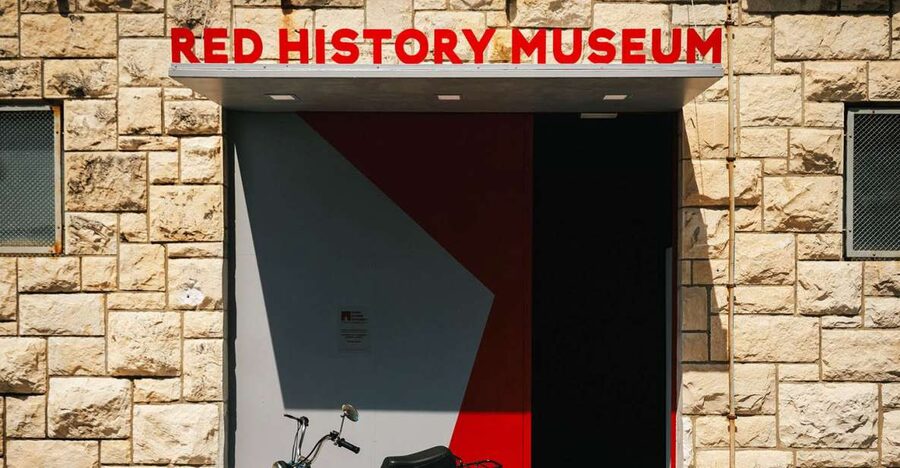
- A factory setting that makes the era feel real: the museum runs inside the T.U.P. complex built in 1953 near the port.
- Interactive life-under-communism storytelling: you are not just reading panels, you are walking through staged scenes and media.
- Pop culture on purpose: communist versions of Coca Cola and Fanta help you understand what propaganda and scarcity looked like at ground level.
- Yugo 45 photo opportunity: a goofy, memorable stop that still ties to economic and everyday realities.
- Goli Otok is treated seriously: there is an information focus tied to it, shown behind curtains in an open-atmosphere setup.
- Staff can be a real plus: people mention strong explanations, including a guide named Viktor.
How This Museum Helps You Read Today’s Croatia
Dubrovnik may look like a storybook from the outside, but Croatia has a much more recent chapter that shaped everything from politics to identity. This is why the Red History Museum works so well. It focuses on communist-era life and the Yugoslav context, so you leave with a better lens for what you see now.
I like that it does not treat communism as just slogans. Instead, it frames the era as lived experience, from art and design to politics and the way society functioned under watchful systems. That angle makes your time in Dubrovnik feel more complete, especially if you want to understand the country beyond the old stone walls.
You should also know the museum has a clear “recent history” focus. If you only want medieval or older Croatian history, this may feel like a hard left turn. But if you are curious about why modern Croatia looks and sounds the way it does, it is a strong stop.
More History Tours in Dubrovnik
- Dubrovnik Old Town History Walking Tour
★ 5.0 · 1,684 reviews - Game of Thrones & History of Dubrovnik Tour
★ 5.0 · 628 reviews - Dubrovnik: Old Town History Walking Tour
★ 4.9 · 474 reviews
T.U.P. Factory Complex in Dubrovnik Port, Built in 1953
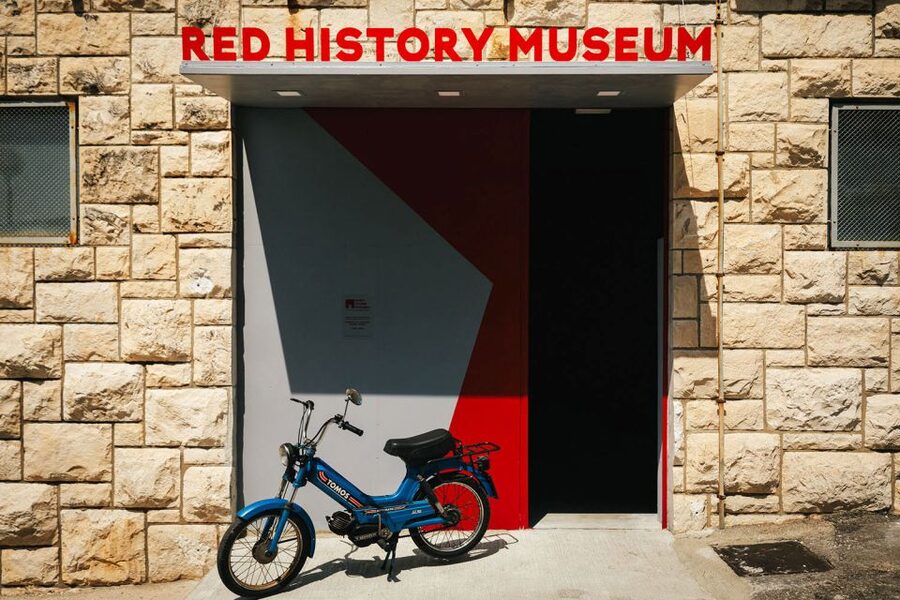
The museum’s location matters as much as the content. Red History Museum sits in the last factory complex in Dubrovnik called T.U.P., built in 1953, in the port area. Walking into an industrial space helps you understand the period as something connected to work, production, and real daily routines.
The atmosphere is less like a quiet gallery and more like a time capsule placed in a working-city setting. That makes the exhibits feel less staged and more like a reconstruction of how ordinary life was organized. It also helps you move through the museum without feeling stuck in one topic bubble, because the building itself already gives you a “world” to explore.
Practical note for your planning: because it is in a specific port-area factory complex, you will likely want to pair it with other nearby stops rather than trying to cram it between far-apart areas of town. In Dubrovnik, saving energy is not a luxury, it is smart touring.
Walking Through the Reconstructed Home and Everyday Objects
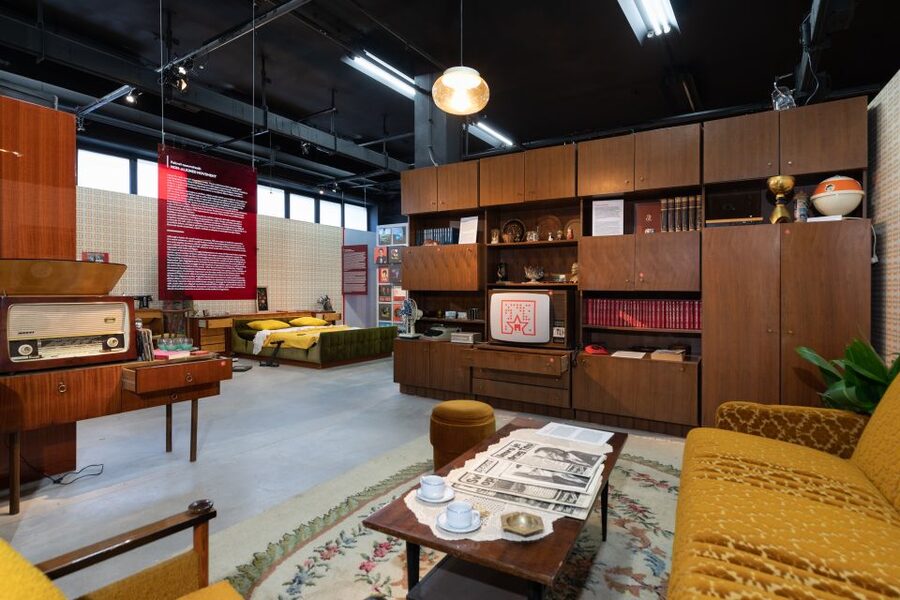
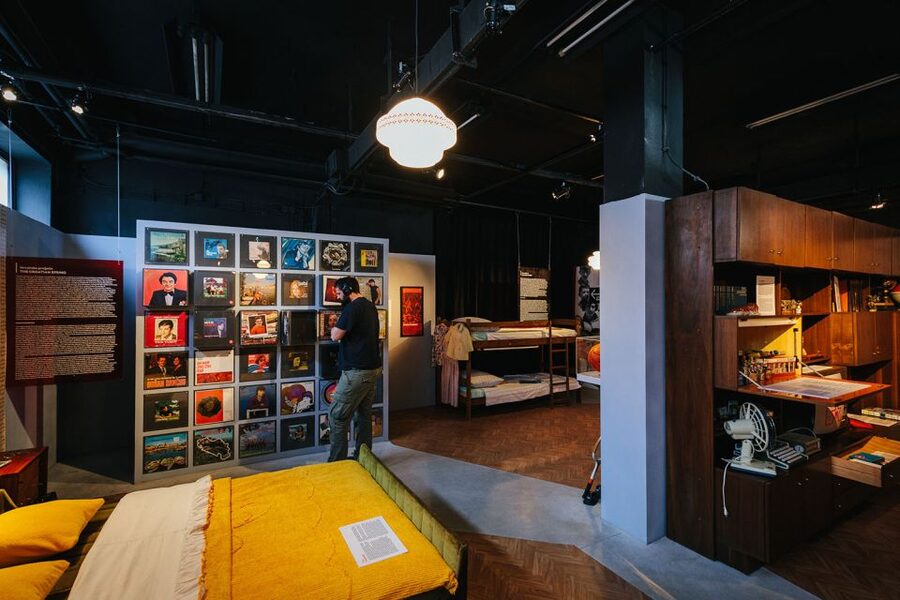
One of the most praised parts is how the museum recreates the feel of ordinary life. There is a reconstruction of a house, with old furniture and details that help you picture what families lived with in the 1970s and 1980s. Reviews highlight how effective these items are at making the era tangible, not abstract.
I like this approach because it slows you down. When you see household objects and the layout of a living space, the big political ideas become personal. You start thinking about daily choices, comfort, routine, and the social pressure people lived under.
This section is also where you can get a quick mental reset if you have been touring Dubrovnik’s outdoor sights for hours. The museum gives you a different kind of immersion, one that is built on stories and staging rather than sweeping views. If you like hands-on, readable exhibits, this is where you will feel the most “payoff.”
Pop Culture in a Parallel Universe: Fake Cola, Fanta, and the Yugo 45
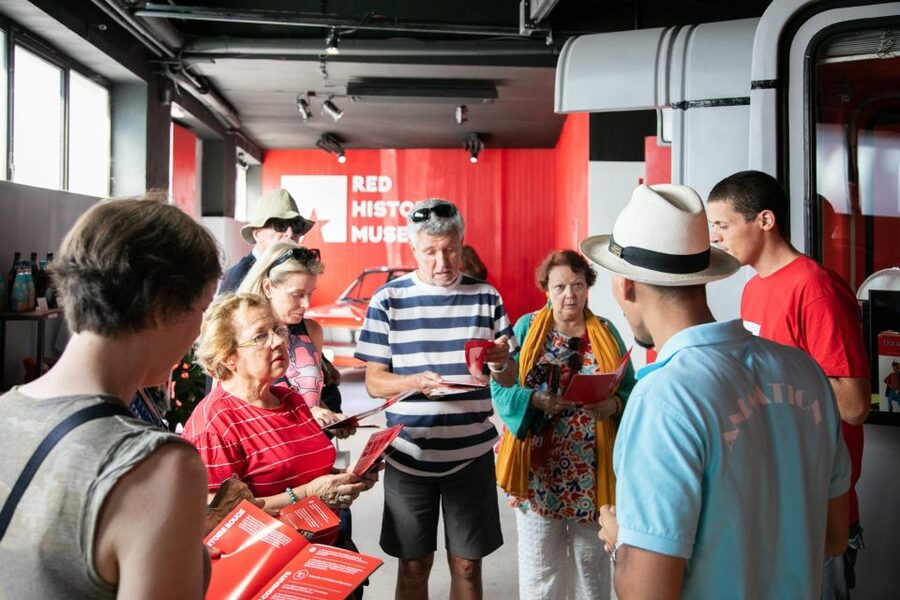
The Red History Museum plays a clever game: it uses pop culture to make political history more approachable. You will see communist versions of Coca Cola or Fanta, plus candies from the time. It is funny on the surface, but it is also educational, because it shows what entertainment looked like when production and distribution worked differently.
This is not random silliness. It hints at how people still wanted pleasure, branding, familiarity, and a sense of normal life, even when the system around them was not normal. It helps you understand how propaganda and daily life mixed, not just how governments talked.
Then you get the photo moment that people remember: the Yugo 45, famous as the so-called worst car ever. You can take a picture there, and it becomes a conversation starter later. I like that it gives you an easy, physical “anchor” for the whole museum. When your brain wants to categorize what you learned, the Yugo 45 is what you can point to.
If you enjoy quirky photo ops with meaning, this is a highlight. If you dislike playful exhibits, treat it like a visual clue rather than a joke. Either way, it is one of the most memorable parts of the visit.
More Museum Tours in Dubrovnik
- Skip the Line: Love Stories Museum Admission Ticket
★ 5.0 · 87 reviews - Visit Shell Museum Cavtat
★ 5.0 · 43 reviews - Love Stories Museum Skip-the-Line Entrance Ticket
★ 4.5 · 23 reviews - Museum of Selfies & Illusions Dubrovnik Ticket
★ 4.0 · 23 reviews
Politics, Art, Design, Secret Agencies, and the Non-Aligned Thread
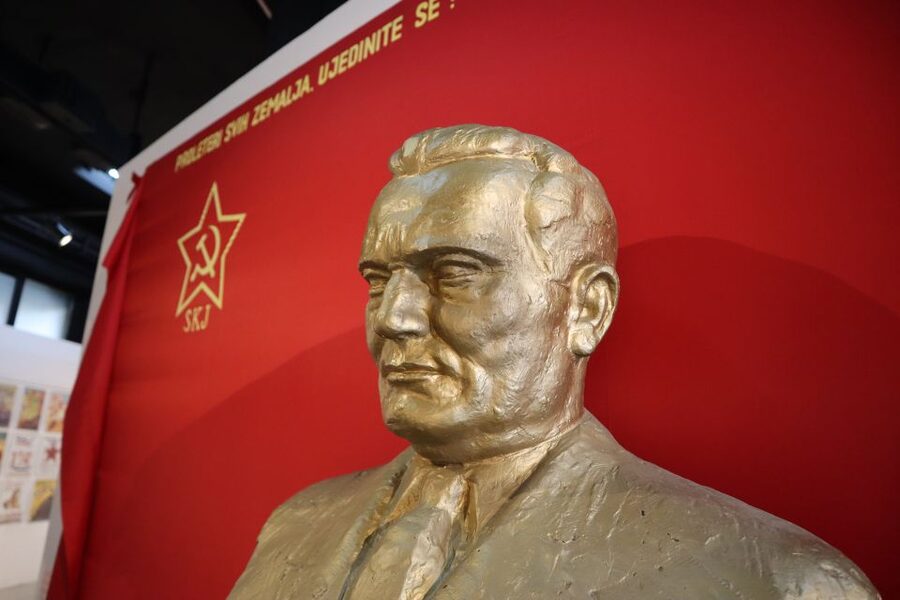
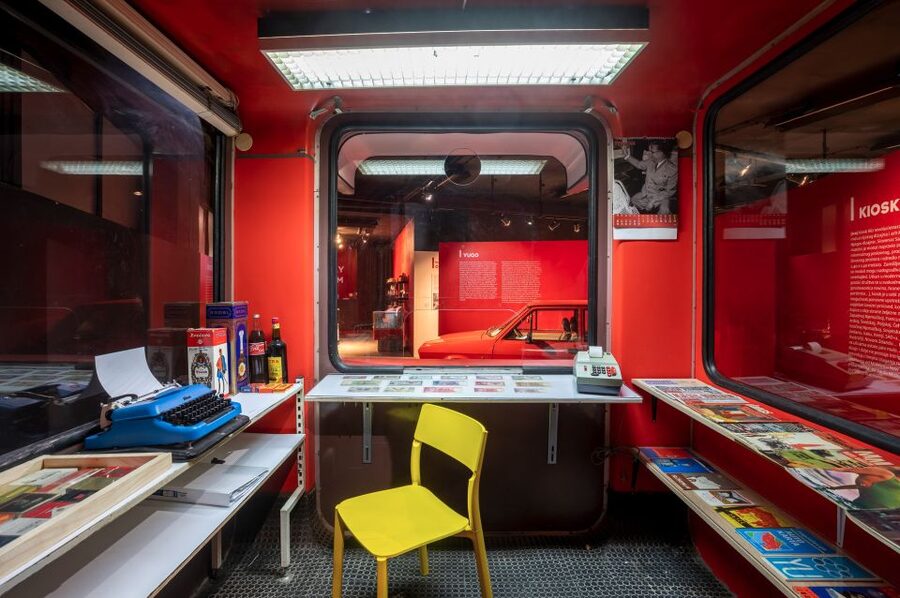
The museum does not only cover everyday life. It also maps the larger system that shaped that life. You can explore art and design alongside politics, and the storyline includes secret agency references as part of the era’s reality. It also connects to the non-aligned angle, which helps explain Yugoslavia’s place in the wider Cold War world.
What I appreciate here is the balance between culture and control. The museum does not force you to read one long lecture. It groups ideas into areas you can walk through, which makes the topic feel manageable.
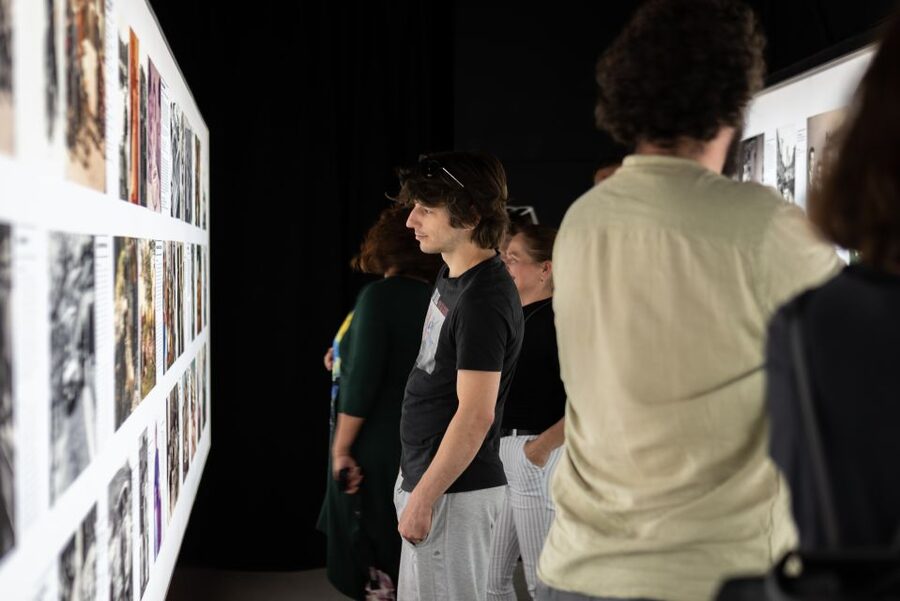
There is also an audio layer, with music from the time, described as the greatest hits of that period. That matters more than it sounds. When you hear the sound of an era while you read about it, your brain connects details faster, and the museum feels less like a history file and more like a recreated environment.
If you tend to skim, you may miss the point. Slow down for the political sections. Even basic attention helps you see how culture, technology, and governance were connected during the Yugoslav era.
Goli Otok Behind the Curtains, and Why That Part Lands Hard
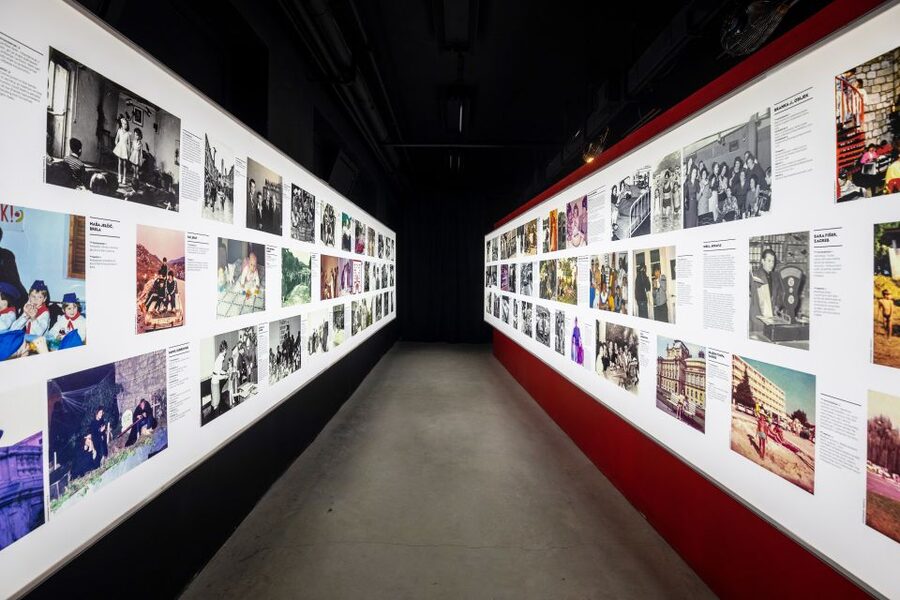
Goli Otok comes up as a major moment in the museum’s story. Reviews specifically mention the information on Goli Otok being shown behind curtains, with an open atmosphere that still feels controlled. It is the kind of exhibit that shifts the mood, because it moves from daily life into the cost of political systems.
I like that it is presented as part of the real history of the era, not just a side note. You get a sense that people paid attention to what they did, who they spoke to, and what they risked. That context helps you understand why everyday life in communist systems was never only about kitchens and cars.
There is also mention of photos connected to what comes after, which supports the emotional weight of the topic. If you are sensitive to heavy history, pace yourself in this section. It is one of those areas where you might take extra time just to process what you are seeing.
Virtual Scans and Old-Tech Effects: The Technology Mix
Red History Museum uses both new and old technologies, and that mix is part of what makes it feel interactive. Some sections use virtual scanned images placed around the museum. The idea is simple, you scan, you learn, you move on.
One caution from the experience: instructions for using the virtual scanned images can matter. In at least one case, scanning did not do anything when a visitor tried it, and the person felt the museum needed clearer guidance.
So here is your best practical move: if you see scanning stations, take a moment to read the nearby instructions first. If it still feels unresponsive, ask a staff member right away. Even with great exhibits, a small tech glitch should not derail your learning.
The good news is that even if the virtual parts are not perfect, the museum still has plenty of physical staging. The reconstructed house, the photo spot, and the curated themed rooms keep the experience moving.
Staff Explanations and the Name Viktor
Another standout theme is staff impact. Multiple comments point to knowledgeable and well-prepared staff, and one person specifically mentions Viktor as informative. That helps because communist-era history can be broad and easy to misunderstand without context.
When you ask questions, focus on what you are seeing right then. For example, if you are in a political section and you feel lost, ask how that storyline connects to the everyday life you just saw. Staff answers can turn “interesting artifacts” into a clear mental timeline.
I also like that the museum does not overwhelm you with information in one long flood. Reviews note there are enough interactive bits to stop the content from feeling burdensome. That pacing helps if you do not want your vacation to become a classroom.
Price and Value: What $11 Buys You in Dubrovnik
At about $11 per person for a regular entry ticket, this is easy to justify in a city where many attractions cost more. The value is not just the price tag, it is the format. You are paying for an experience built around staging, interactive media, and memorable set pieces like the Yugo 45 photo spot and the communist versions of familiar drinks.
Also, the museum is described as small, which is usually a cost-control advantage. You can experience a lot without feeling like you need half a day to justify the ticket. If you want a focused stop that adds a new layer to Dubrovnik’s story, this works well.
If your budget is tight, this is one of those “high meaning per dollar” attractions. You are learning a big part of recent Croatian history, and you get the kind of hands-on details that make learning stick.
If you like flexible plans, you also have a reserve-and-pay-later option. That can reduce stress when Dubrovnik schedules shift around weather and walking fatigue.
Who This Museum Fits Best
This is a great match if you:
- Want to understand how Croatia got to where it is today, not only its medieval or coastal identity
- Like interactive museums that use staging, objects, and media rather than long text walls
- Enjoy pop culture angles that make heavy topics easier to absorb
- Care about how ordinary people lived under communist rule
It is less ideal if you only want light sightseeing with no political or serious historical themes. Even though there are playful bits like the Yugo 45 and the fake Cola drinks, the museum still includes significant material like the Goli Otok story.
Also, if you are the type who gets frustrated by tech scanning that might need instructions, go in ready to ask staff for help quickly. That one adjustment can keep the experience smooth.
Should You Book the Dubrovnik Red History Museum Ticket?
I would book it if you want one stop in Dubrovnik that adds meaning fast. The museum does something many history places do not: it connects politics and systems to daily objects, pop culture, and the feeling of the era. You leave with specific images in your head, like the reconstructed home, the Goli Otok focus, and that Yugo 45 photo spot.
Skip it only if you know you dislike communist-era history topics, or if you want purely scenic, low-content touring. The museum is focused, and it is not trying to be a general history museum.
For most people who like thoughtful travel and authentic context, this ticket is a strong add-on, especially at the $11 price point.
FAQ
Where is the Red History Museum located?
It is in the T.U.P. factory complex in Dubrovnik, in the port area. The T.U.P. complex was built in 1953.
What is included with the Red History Museum regular ticket?
Your ticket includes regular entry to the Red History Museum.
Is the museum focused on communist history?
Yes. The museum explores Croatia’s communist history and the experience of life under the Yugoslav regime.
What kinds of things can I expect inside the museum?
You can expect interactive exhibits and themes covering art, design, politics, secret agencies, and the Non-Aligned, plus music from the time and a staged home reconstruction.
Can I take a photo with the Yugo 45?
Yes. There is a famous Yugo 45 photo spot, often referenced as the worst car ever.
Are there communist versions of popular drinks and candies?
Yes. The museum experience includes communist versions of Coca Cola or Fanta, plus candies from the time.
Is there staff support if I have questions?
Yes. The museum staff are described as well prepared. One guide mentioned by name is Viktor.
What should I know about the virtual scanning elements?
The museum includes virtual scanned images around the site. In one instance, scanning did not seem to do anything, and clearer instructions were suggested.
Can I reserve now and pay later, and what about refunds?
There is a reserve-and-pay-later option, where you book and pay nothing today. You can cancel up to 24 hours in advance for a full refund.
More Historical Tours in Dubrovnik
- Early Bird Dubrovnik History Tour – 7:30 Start
★ 5.0 · 198 reviews - Dubrovnik: Game of Thrones and History Small Group Tour
★ 5.0 · 76 reviews - Dubrovnik History, Sweets & Liquors in a Private Palace (PRIVATE)
★ 5.0 · 63 reviews - Dubrovnik Old Town: Night tour with History, Wine & Bites
★ 4.7 · 59 reviews
More Museums in Dubrovnik
- Cavtat: Banac Gallery Entrance & Sparkling Wine
★ 4.7 · 22 reviews - Cavtat: Ticket for Banac Gallery with Van Gogh’s-Sunflowers
★ 5.0 · 6 reviews - Banac Gallery Entrance with Coffee and Fresh Juice
★ 4.8 · 5 reviews - Dubrovnik Rector’s Palace Cultural History Museum Tour
★ 4.5 · 3 reviews
Newest Dubrovnik reviews on the site
- Krka National Park – Private Excursion from Dubrovnik with Mercedes Vehicle★ 5.0 · 4 reviews
- Private Boat Tours Dubrovnik to island Korcula★ 5.0 · 4 reviews
- Korcula, Ston, Wine Tasting and Lunch – Tour from Dubrovnik★ 5.0 · 3 reviews
- Montenegro Kotor Bay with Boat Ride to The Lady of the Rock★ 4.5 · 46 reviews
- Korčula & Ston: Island Charms, Pelješac Delights & Wine Tasting★ 4.0 · 6 reviews
- Korcula Private Tour★ 5.0 · 4 reviews
- Korcula Private Tour from Dubrovnik★ 5.0 · 9 reviews
- Korcula & Peljesac Full Day Private Tour from Dubrovnik★ 5.0 · 15 reviews
Museums, compared.

Blue Lagoon & Underwater Museum from Split with Lunch & Drinks
Read our review →
Skip-the-Ticket-Line Museum of Broken Relationships
Read our review →


Blue Lagoon Underwater Museum Tour w/Lunch & Drinks
Read our review →
PREMIUM Emperor’s Walking Tour for History Lovers + Museum
Read our review →
Klis Fortress GOT and Olive Museum Entry Tickets
Read our review →
Browse the lists this tour appears in