
Review · WALKING TOURS
Private Zadar Walking Tour: German
Zadar starts to make sense when you’re walking its stones, not just reading signs. On this private 90 minute German guided tour, you move from Roman-era remains to modern public art, with a local explaining how the place works day to day. It’s a good fit if you want history with human stories, plus the chance to ask your own questions.
I like two things most. First, the guide style is German speaking and very interactive, so you can steer the conversation toward what you care about. Second, the route hits the big names and the quiet in-between spots, so you get a real sense of Zadar’s layers, from fortifications to the coastal sound installations.
One possible drawback: key church interiors are not included. You’ll see impressive exteriors and learn the context, but entry to St. Donatus Church and the Cathedral is extra.
In This Review
- Key highlights you will feel on your feet
- Enter Zadar’s story from Ulica Nova vrata and the city walls
- St. Anastasia and the Cathedral area, why this church matters
- Roman Forum moments, turning footpaths into 2,000 years of evidence
- St. Donatus outside, why locals keep talking about it
- Kalelarga and Široka ulica, the Old Town you can feel
- Sea Organ and Greeting to the Sun, modern art explained like a friend
- Roman and medieval layers around People’s Square and 5 Wells Square
- 16th-century fortifications and UNESCO context, what you can actually notice
- Land Gate and finishing at the rhythm of the Old Town
- Price and value for a private German tour up to 10
- Included and not included, so you know what to plan for
- Who this Zadar walking tour fits best
- Book it or keep it flexible, a simple decision guide
- FAQ
- FAQ
- How long is the Private Zadar Walking Tour in German?
- What is the starting point of the tour?
- How many people are included in the group?
- What language is the guide?
- Is the tour wheelchair accessible?
- Is entry to St. Donatus Church included?
- Is entry to the Cathedral of St. Anastasia included?
Key highlights you will feel on your feet
- Ulica Nova vrata to the Zadar City Walls, a fast way to understand the city’s defensive mindset
- St. Anastasia and St. Donatus, two church landmarks with very different stories to tell
- Sea Organ and Greeting to the Sun, Zadar’s modern identity explained in plain language
- Roman Forum and ancient streets, where you can connect today’s walk to 2,000 years of use
- Kalelarga and Narodni trg, daily-life squares that make the history feel lived-in
Enter Zadar’s story from Ulica Nova vrata and the city walls
The tour begins at Ulica Nova vrata, where you’re not far from the Old Town core. Right away, your guide sets the tone: Zadar has always been shaped by its position on the Adriatic and by the need to protect what mattered.
Then you walk the Zadar City Walls. This is one of those stops where a short explanation makes everything visible. You learn what the walls were meant to do, how the city expanded around defenses, and why certain spots feel strategically placed. Even if you are not a military history fan, you’ll start noticing the city’s “logic” as you move.
Practical tip: plan for steady walking. This is a compact 90 minutes, so you’ll be up and moving most of the time. Good shoes matter more here than fancy sightseeing outfits.
More Walking Tours in Zadar
- Zadar Walking Tour sponsored by Gligora Cheese and deli
★ 4.9 · 716 reviews - Zadar: Food Tasting & Old Town Walking Tour
★ 5.0 · 94 reviews - Zadar: Virtual Reality Guided History Walking Tour
★ 4.4 · 86 reviews
St. Anastasia and the Cathedral area, why this church matters
Next is the Cathedral of St. Anastasia area. Even without focusing on entry, you’ll get what makes this site significant: its role in Zadar’s identity and the long thread of religious and civic life around it.
What I like about this stop is that the guide doesn’t treat it like a museum piece. You get the cultural meaning, how the cathedral fits into the rhythm of the Old Town, and how people have used these spaces over time. If you have questions about architectural style or local tradition, this is a good moment to ask, because the explanation tends to connect to other nearby landmarks.
Note on logistics: entry to the Cathedral is not included. If you want to go inside, you can plan for that on your own time after the tour.
Roman Forum moments, turning footpaths into 2,000 years of evidence
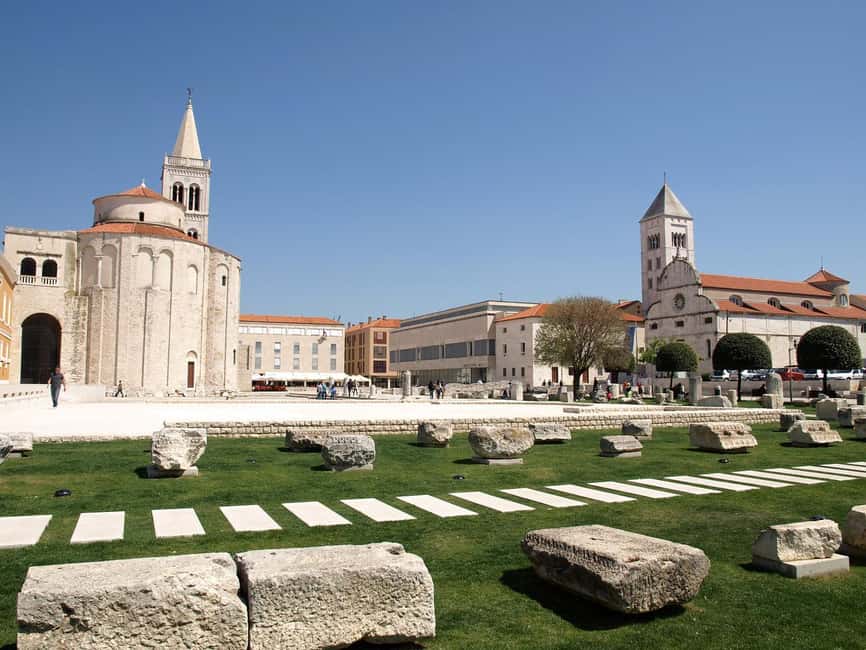
A big selling point of this tour is that it compresses a lot of time into a smart walking route. One of the most satisfying parts is the Roman Forum in Zadar and what comes with it: you learn how Roman planning shaped movement and public space.
At the forum stop, the key is what your guide helps you look for. Instead of just naming ruins, you connect the site to the kind of life that used to happen there, debates and business and civic gatherings. It makes the Old Town feel less like a “pretty backdrop” and more like a city that has been doing similar things for centuries, just with different walls and different rulers.
If you love architecture, you’ll appreciate the way the guide points out details you might otherwise miss. If you don’t, you’ll still get a clear narrative for what you’re seeing.
St. Donatus outside, why locals keep talking about it
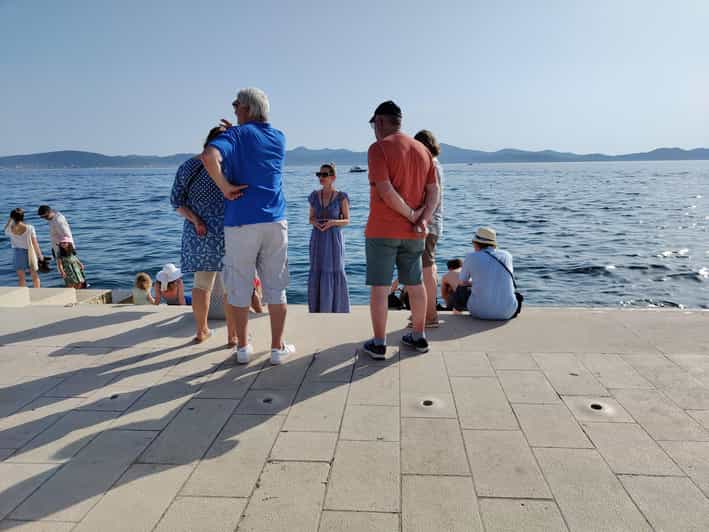
You’ll also visit the Church of St. Donatus. Expect an exterior-focused experience here, since entry to St. Donatus Church is not included. Still, it’s a highlight for a reason: the building is visually distinctive, and the guide’s job is to translate that look into history you can actually use.
This stop is especially good if you like to understand context. You’ll hear what made the church important and how the city’s story carried forward into later periods. It’s not just about the structure, it’s about what the structure represented to Zadar and why it still matters.
If you are the type who likes to “read” buildings, this is the kind of stop that makes your camera feel more purposeful.
Same coastline, a different sort of day:
- Zadar: Plitvice Lakes Guided Day Tour with Tickets
★ 4.9 · 3,148 reviews - Zadar: Island Luxury Speedboat Tour with Snorkeling
★ 5.0 · 2,452 reviews - Zadar: 3-Stop Blue Lagoon & Snorkeling Cruise with Drinks
★ 4.9 · 1,621 reviews - Zadar: Kornati Boat Trip with Lunch and Swim Stops
★ 4.5 · 1,498 reviews
Kalelarga and Široka ulica, the Old Town you can feel
Then the tour shifts from major monuments to the everyday streets: Kalelarga and Široka ulica. These are the corridors where you can feel how Zadar lives now. The sidewalks, the street width, the way people move between squares and viewpoints, it all adds up.
This is a stop I recommend for anyone who finds big sites tiring. Here, the guide helps you see how locals experience the city, not just how it looked centuries ago. You learn why certain streets became social and commercial routes, and you get a sense of how the Old Town keeps functioning as a lived space.
Pro move: if you’re traveling with kids, this is often where they get a break from intense facts while still learning a lot. One recent family experience included age-range pacing that kept younger visitors engaged.
Sea Organ and Greeting to the Sun, modern art explained like a friend

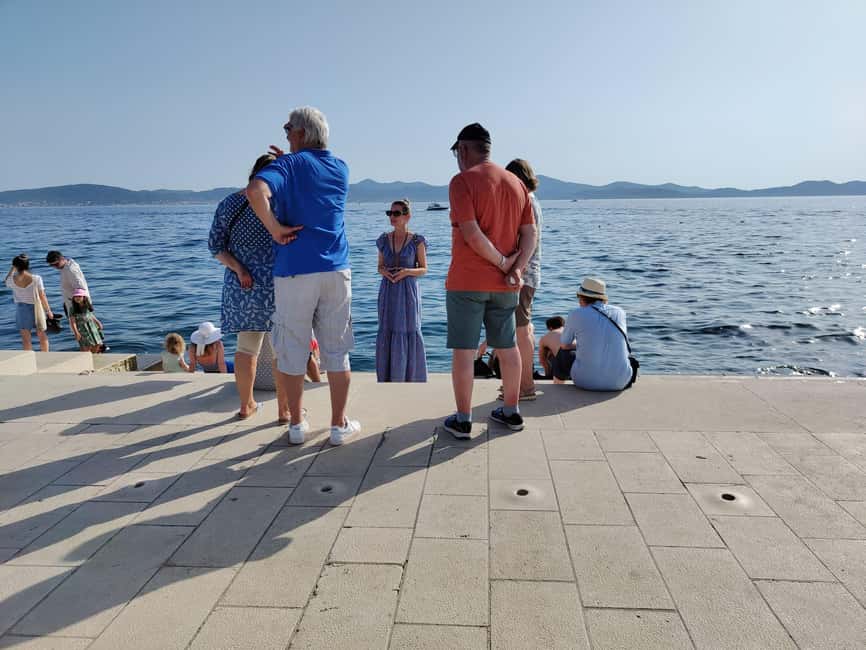
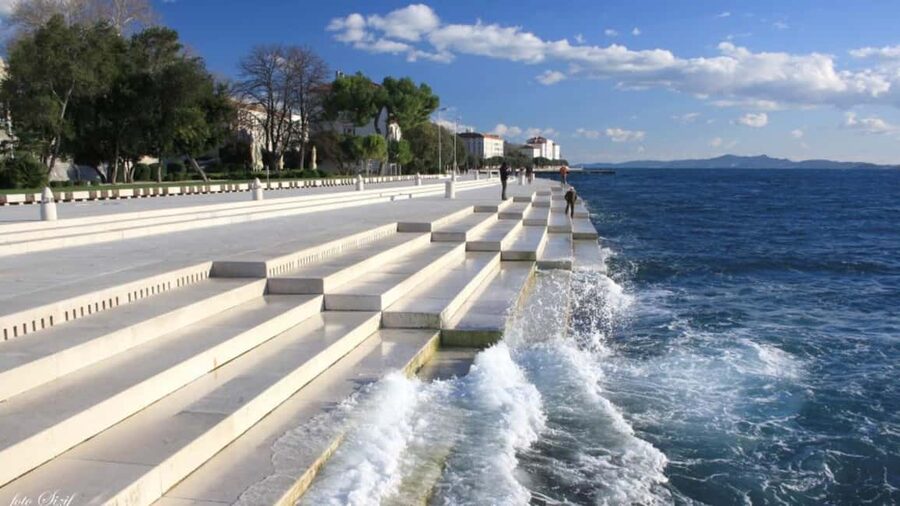
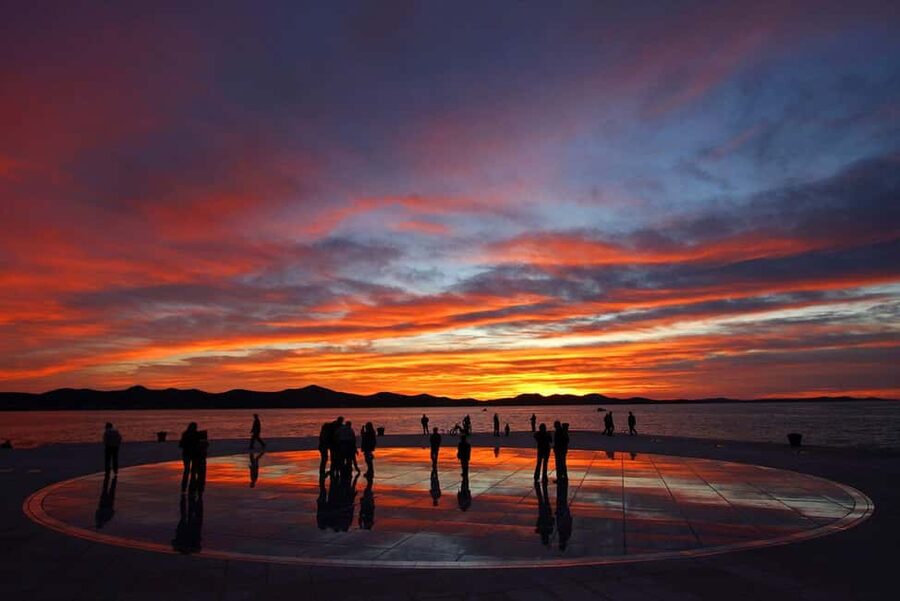
The tour doesn’t end in the past. A key highlight is the Sea Organ and Greeting to the the Sun. These are public art installations that feel more like an outdoor experience than a typical “sight.”
Here’s what makes this stop work: your guide explains how the installations function and what they represent to the city. The Sea Organ is tied to the ocean and sound, so it’s one of those places where you can understand the concept quickly, then just enjoy the effect. The Greeting to the Sun brings in a different kind of relationship with the Adriatic, one that feels modern but still grounded in place.
If you like when art connects to real life, you’ll enjoy this. It’s also a great moment to slow down, look across the water, and let the city’s voice shift from ancient stone to contemporary design.
Roman and medieval layers around People’s Square and 5 Wells Square
You’ll walk through major squares, including People’s Square (Narodni trg) and 5 Wells Square. These spots matter because squares are where city life concentrates. Markets, meetings, daily errands, festivals, conversations. Even if you’re just passing through, a good guide helps you understand why these spaces exist and how they changed.
At People’s Square, the focus tends to be on how Zadar organizes community life. You’ll hear about the role of civic space over time and what the square has meant for residents.
At 5 Wells Square, the story feels more local and specific. It’s the kind of stop where the guide’s details make you look twice at something you might otherwise treat as background scenery. You get a better sense of practical urban history: where water, services, and daily routines fit into the city’s plan.
16th-century fortifications and UNESCO context, what you can actually notice
The tour includes 16th-century fortifications (UNESCO). This isn’t just a label you hear once. Your guide connects the fortifications to what you’re walking past, how they were used, and how Zadar’s strategic position pushed the city toward defensive infrastructure.
The value here is visual. Fortifications are meant to be seen from multiple angles, and walking through the area gives you a better sense of scale and purpose. If you have limited time in Zadar, this is the moment where the tour earns its “time travel” promise in a very practical way.
Land Gate and finishing at the rhythm of the Old Town
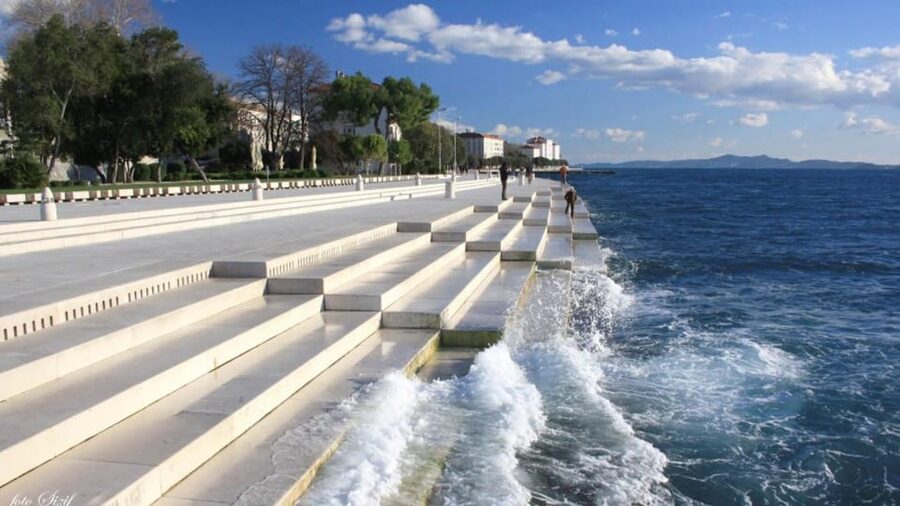
The last big stop is the Land Gate. Finishing here works because it brings you back to how the city controls entry and movement. It’s a fitting capstone: you started at a gate-adjacent area, and you end where the city’s boundaries and transitions become obvious.
After Land Gate, you walk away with a clearer mental map. You’ll likely notice how streets feed into key monuments, and how Zadar’s shape influences where you can comfortably roam on your own.
Price and value for a private German tour up to 10
At $117 per group up to 10, this tour is priced for groups that want flexibility rather than a strict “cheapest ticket” mindset. The private format matters here. A one-size-fits-all group tour often rushes questions. In a private setup, your guide can adjust pace and focus, including where you want more time, and which kind of stories you enjoy.
You also get a German-speaking live guide, so you can actually follow details without language strain. That improves value fast, especially for history-heavy stops like the Roman Forum and the fortifications.
Is it worth it if you only want the top three postcard sights? Maybe not. But if you want the context behind Sea Organ, St. Donatus, and the forum, plus the daily-life street feel, the cost makes more sense.
If you’re traveling as a couple, a small family, or a tight group of friends, the “up to 10” structure can be an efficient way to do Zadar without splitting up.
Included and not included, so you know what to plan for
Included:
- Private tour guide speaking German
Not included:
- Entry to St. Donatus Church
- Entry to the Cathedral of St. Anastasia
That means you should consider building in a little extra time if you want to go inside. The tour gives you strong context outside, but entrances are on your own.
Who this Zadar walking tour fits best
This works well for:
- Families who want a guide to explain in a way children can understand
- German speakers who prefer a smooth conversation rather than reading on plaques
- Travelers who like connecting monuments to real city life, not just photographing them
- Anyone who wants a tight route in 90 minutes without feeling lost
It might be less ideal if:
- You want a long, slow walk with lots of museum time
- You strongly prefer all stops to be entry-included
Book it or keep it flexible, a simple decision guide
I’d book this tour if you want Zadar’s story told in a human way, with question-friendly guiding and stops that cover ancient, medieval, and modern in one walk. The Sea Organ and Greeting to the Sun are worth it, but the real value is how the guide connects them to everything else you see, so the city feels like one story instead of scattered attractions.
If you’re the type who already knows the history and only wants quick sights, you may prefer DIY walking. But if you like understanding what you’re looking at, this private German tour is a smart use of limited time.
FAQ
FAQ
How long is the Private Zadar Walking Tour in German?
The tour duration is 90 minutes.
What is the starting point of the tour?
The tour starts at Ulica Nova vrata.
How many people are included in the group?
It is a private group with a price stated for a group up to 10.
What language is the guide?
The live tour guide speaks German.
Is the tour wheelchair accessible?
Yes, the tour is listed as wheelchair accessible.
Is entry to St. Donatus Church included?
No, entry to St. Donatus Church is not included.
Is entry to the Cathedral of St. Anastasia included?
No, entry to the Cathedral of St. Anastasia is not included.
Newest Zadar reviews on the site
- SURPRISE TOUR KORNATI & TELASCICA Boat Tour(po Polsku)★ 4.4 · 21 reviews
- Zadar: Sunset Fishing Half-Day Guided Boat Trip★ 5.0 · 14 reviews
- Romantic Sunset Cruise from Zadar by Speedboat★ 4.9 · 60 reviews
- Plitvice Lakes National Park: Private Tour from Zadar★ 5.0 · 11 reviews
- Zadar Islands: Private Hidden Treasures Speedboat Tour★ 4.9 · 27 reviews
- Zadar: Dugi Otok Day Trip to Sakarun & Golubinka Cave★ 4.8 · 20 reviews
- Private Island Hopping Boat tour around Zadar with Drinks★ 5.0 · 6 reviews
- Zadar: Ugljan, Ošljak and Školjić Islands Private Boat Tour★ 4.8 · 44 reviews
Walking Tours, compared.
Walking Tour of Split and Diocletian’s Palace
Read our review →
Krka Waterfalls tour with Trogir Walking tour and Krka panoramic boat cruise
Read our review →
City Walls Early Morning or Sunset Walking Tour
Read our review →Browse the lists this tour appears in