
Review · RIJEKA TOURS
Rijeka: Rijeka Tunnel (TunelRi) Entrance Ticket
A tunnel under a city street is weird, in a good way. The Rijeka Tunnel, TunelRi, is a WWII shelter you can actually walk through, starting near St. Vitus Cathedral and moving beneath the historic center. I especially like how the route is short and focused, about 350+ meters of real underground space, and how you get to spot original wartime details like the air-defense inscriptions.
My other big favorite is the payoff for such a low-stakes ticket: a small group, limited to 2 participants, so the experience feels calm instead of rushed. One thing to consider, though, is comfort. It is not suitable for people with claustrophobia, and you will be walking through enclosed corridors.
In This Review
- Key Things to Know Before You Go
- Rijeka Tunnel TunelRi: Why This WWII Shelter Feels Personal
- Finding the Entrance Near St. Vitus Cathedral
- Walking the 350+ Meter Corridors Built for Shelter
- Reading the Wartime Details, Including Reserved for Air Defense
- The Visuals and Sound Inside: Underwater Photos and Music
- What the Tour Covers: Architecture, Not Just Atmosphere
- Exiting Back into Daylight at Dolac Elementary School Courtyard
- Price and Value: What You Get for About $3.54
- How Long It Really Takes in Your Day
- Who This Is For (and Who Should Skip It)
- Practical Tips for a Smooth Underground Visit
- Should You Book the Rijeka Tunnel Ticket?
Key Things to Know Before You Go
- WWII air-defense shelter you can walk through, not a far-off museum display
- 350+ meters underground, passing beneath Rijeka’s Old Town
- Original inscriptions you can look for, including Reserved for air defense
- Small group size (max 2 participants), which helps with pacing and attention
- Some onboard visuals and sound choices may not match everyone’s expectations
- You finish outdoors again in a school courtyard, not underground forever
Rijeka Tunnel TunelRi: Why This WWII Shelter Feels Personal
Rijeka’s TunelRi is the kind of stop that changes how you read a city. Above ground you might see streets and buildings and move on, but here you get the flip side: the protected space people relied on during Allied air attacks in 1944 and 1945. The tunnel was built during World War II by the Italian army, and walking it helps the history feel less abstract.
What makes this experience more than a quick ticket stop is the practical architecture. You are not just seeing stone and concrete, you are seeing wartime problem-solving, corridor after corridor shaped by the need to shelter people. When you can look closely at what remains, it gives you a tangible sense of how survival logistics worked.
A few more Rijeka trips to weigh up
- Rijeka: Walking Tour with a Local Guide
★ 4.9 · 198 reviews - Plitvice Lakes Day Tour from Rijeka, Simple & Safe
★ 4.7 · 43 reviews - DISCOVERING THE UNKNOWN Extended WW2&UNDERGROUND tour
★ 4.7 · 15 reviews
Finding the Entrance Near St. Vitus Cathedral
You begin right in Rijeka’s historic center. The entrance is near St. Vitus Cathedral, which is a handy landmark if you are already sightseeing around Old Town. This matters because it keeps the tunnel from feeling like a detached detour. You can roll right from street views into the underground world without a long commute.
Once you’re at the entrance, the experience becomes very linear. You are walking through the passage and then leaving again into daylight. That simple flow is a plus if you dislike wandering or if you want something clear-cut between other activities in Rijeka.
Walking the 350+ Meter Corridors Built for Shelter
Inside, your main experience is straightforward: you walk the underground passage beneath the city. Expect corridors dug for protection from bombing raids, and a lot of the atmosphere comes from being physically below everyday streets. Even though the tunnel is only 350+ meters, the change in sound, light, and air makes it feel longer than the numbers suggest.
The key thing to understand before you go in is purpose. This was not built as a recreational space, so your brain should shift gears. Picture what it meant to move people into shelter under wartime pressure. The tunnel offers a way to imagine those days because the structure still reads like a function-first design, not a modern visitor site.
Reading the Wartime Details, Including Reserved for Air Defense
One of the strongest reasons to visit is the opportunity to spot original inscriptions. You can see the message Reserved for air defense in several places, and it’s one of the clearest links between the tunnel’s past and the walk you are taking now. When a text survives, it acts like a time stamp. It turns the tunnel from a general WWII stop into something more specific to Rijeka’s air-defense planning.
To get the most out of this part, slow down occasionally. Don’t just keep moving for the sake of finishing. If you can, pause when you see inscriptions and read them closely. The experience is short, so those few moments add up.
Same coastline, a different sort of day:
- TUNNEL ABSEILING PLUS tour the underground
★ 4.8 · 12 reviews - Rijeka: Postojna Cave and Predjama Castle
★ 4.9 · 6 reviews - Istria Highlights Tour from Rijeka or Pula
★ 4.0 · 6 reviews
The Visuals and Sound Inside: Underwater Photos and Music
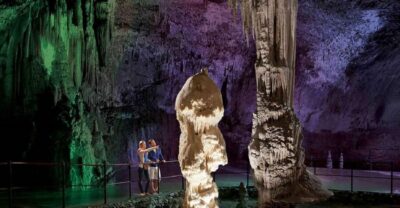
This is where expectations matter. Some visitors love the underwater photo displays they encounter during the walk, finding them surprisingly beautiful in the tunnel setting. Others feel something is off, pointing out that underwater imagery and music do not obviously connect to the tunnel’s wartime purpose.
So what should you do with that information? Go in ready to treat the visuals as interpretive additions, not as a pure documentary about Rijeka in 1944-45. If you want only hard wartime explanation and lots of readable plaques, you might wish there were more signage and context. If you are more flexible, you may enjoy the contrast between the underground shelter and the unexpected visual themes.
My practical advice: spend your attention budget on the things that are clearly tied to the tunnel itself, like the inscriptions and the corridor design. Let the media be a bonus, not your main reason for going.
What the Tour Covers: Architecture, Not Just Atmosphere
The ticket experience includes entry to Rijeka Tunnel – TunelRI and insight into the architectural solutions of the wartime period. That focus is important. Plenty of WWII sites tell you stories, but here you also get to think about the physical build.
In a practical sense, that means you are encouraged to notice how the corridor was laid out and how the space was designed to support protection. It’s a quieter kind of learning than a lecture, but it fits the place. You are inside the structure, so architecture becomes the language.
Exiting Back into Daylight at Dolac Elementary School Courtyard
The walk has a clean ending. You come out from the tunnel into the courtyard of Dolac Elementary School. That matters more than it sounds, because it gives you a natural reset point. After walking underground, you get daylight immediately, and it helps the experience land in your day rather than turning into an endless underground slog.
If you plan other Old Town activities, this exit location is a useful pivot. You are no longer trapped in the underground route, so it becomes easy to keep exploring Rijeka right after.
Price and Value: What You Get for About $3.54
At around $3.54 per person, TunelRi is priced like a small, sensible add-on. The value comes from the fact that you are paying for access to something you cannot fake. A tunnel under the city is not the same as looking at a photo, and you are walking the real passage length.
There is also a value angle in how the group is limited. With small-group size capped at 2 participants, the experience tends to feel less crowded and more manageable, especially underground where space can feel tight. Even if you do not need personal attention, smaller groups usually mean less waiting and smoother pacing.
One extra tip from real-world experience: some people suggest paying on site can be cheaper. I cannot confirm the exact difference from your ticket price alone, so treat it as a smart thing to check if you are already in the area. If the price you see is close, either way you are still getting good value for a rare kind of site.
How Long It Really Takes in Your Day
The ticket is valid for 1 day, and starting times depend on availability. The activity itself is not described as an all-day undertaking, and because the route is a single continuous corridor walk, you can plan it like a short attraction in the middle of your Rijeka sightseeing.
If you like a tight itinerary with no big gaps, this kind of structured, one-route visit works well. If you prefer long, slow stops where you linger for details, just plan a little extra time so you can read inscriptions and take in the underground atmosphere without rushing.
Who This Is For (and Who Should Skip It)
This experience is best for people who enjoy history they can walk through. If you like WWII sites, architecture, and the feeling of being in the same physical space as past events, you’ll probably appreciate TunelRi a lot. It also fits travelers who want something different from churches and viewpoints, because the main attraction here is functional military construction.
It is not suitable for people with claustrophobia. Even if you normally handle enclosed spaces, think carefully about how you react to tunnels, low ceilings, and limited air flow. If that sounds even a bit uncomfortable, skip this one.
If you are traveling with kids, the data here does not give ages. Use your own judgment based on how they handle enclosed spaces and staying on a short route.
Practical Tips for a Smooth Underground Visit
A few practical ideas can make the difference between rushed and enjoyable.
First, wear comfortable shoes. The experience is a walk through corridors, so you want stable footing.
Second, bring a mindset for reading and noticing. This visit rewards small attention choices, like spotting the Reserved for air defense inscriptions in multiple places.
Third, manage your expectations about signage and media. Some people want more wartime plaques and straight historical explanation, while others enjoy the underwater photo displays and related audio choices. Plan to focus on what is undeniably connected to the tunnel itself.
Finally, if you are sensitive to enclosed spaces, be honest with yourself. There is no trick to changing the tunnel. If you feel anxious in tight places, this is one you should not force.
Should You Book the Rijeka Tunnel Ticket?
Book it if you want a short, real-world way to understand WWII air-defense planning under a living city. For the price, you are getting access to a 350+ meter underground structure, plus insight into wartime architecture, and a chance to look for original inscriptions.
Skip it if you are uncomfortable in enclosed spaces or if you expect a full-on, plaque-heavy museum experience. Some of the multimedia inside may also not match your preferences, so if you strongly prefer strictly historical displays, keep your focus on the tunnel’s physical details.
If you are already in Rijeka’s Old Town, this is the kind of stop that adds a new layer to the streets above. And that is the best kind of travel value, something you carry with you after you exit into daylight.
Newest Rijeka reviews on the site
- TUNNEL ABSEILING PLUS tour the underground★ 4.8 · 12 reviews
- Rijeka: Postojna Cave and Predjama Castle★ 4.9 · 6 reviews
- Istria Highlights Tour from Rijeka or Pula★ 4.0 · 6 reviews
- Plitvice Lakes Day Tour from Rijeka, Simple & Safe★ 4.7 · 43 reviews
- Rijeka: Walking Tour with a Local Guide★ 4.9 · 198 reviews
- DISCOVERING THE UNKNOWN Extended WW2&UNDERGROUND tour★ 4.7 · 15 reviews
Rijeka Tours, compared.
Plitvice Lakes Day Tour from Rijeka, Simple & Safe
Read our review →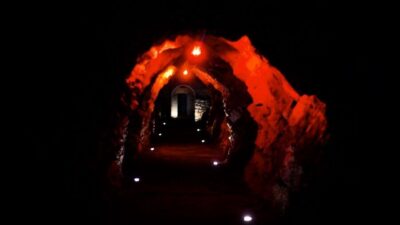
DISCOVERING THE UNKNOWN Extended WW2&UNDERGROUND tour
Read our review →
Browse the lists this tour appears in