
Review · WALKING TOURS
Rijeka: Walking Tour with a Local Guide
History walks right through Rijeka. This guided stroll links major sights, from Jadranski trg to the Leaning Tower of Rijeka, into one clear story of a port city that grew under Austro-Hungarian rule.
I like two things most: first, the route stays organized for a 135-minute walk, so you see the main highlights without feeling rushed. Second, the guides, including Sanjin, Marko, and Ivana, answer questions with humor and real local context, not memorized facts.
One possible drawback: it is weather sensitive and you are on your feet. If the weather turns or if the cathedral is closed, you may not get every planned stop, so comfortable shoes really matter.
In This Review
- Key highlights worth knowing before you go
- Rijeka in 135 minutes, and why a tip-based tour works
- Where you meet: Jadranski trg and the first views
- Adriatic square to the Venetian house: the city’s layered look
- Korzo, cafés, and the clock tower stop that grounds the walk
- Old Town and Tarsatica: Roman roots under the streets
- St. Vitus Cathedral: a pause for faith, design, and shade
- The Leaning Tower of Rijeka: the photo moment with an explanation
- Old City Port to the National Theatre: where the modern view meets history
- Morning tour add-ons: Central Market and the Turkish house
- Guide style that makes the tour feel worth it
- Comfort and timing tips for a smooth 135-minute walk
- Wheelchair accessibility and who this route fits best
- Price and value: paying tips for real local guidance
- Should you book this Rijeka walking tour?
- FAQ
- How long is the Rijeka walking tour?
- Where do I meet the guide?
- Is the tour really free, and how does payment work?
- How much should I tip?
- What language is the tour offered in?
- What sights are included in the tour?
- Does the tour include entry to the St. Vitus Cathedral?
- Is there a Central Market stop?
- Is the tour wheelchair accessible?
- What should I wear or bring?
- What happens if weather is bad?
- Where does the tour end?
Key highlights worth knowing before you go
- Tip-based cost with a typical range of about €10 to €20 per person at the end
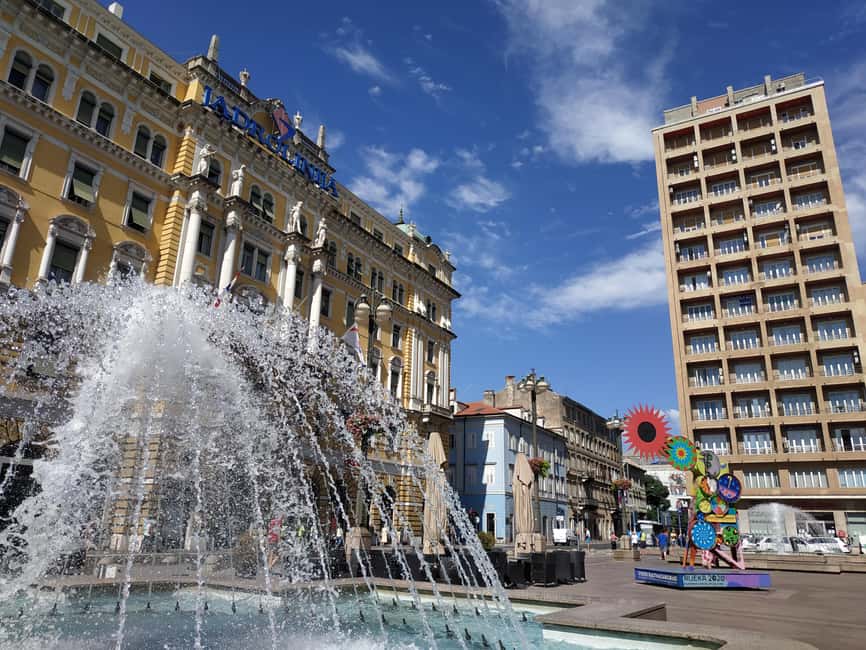
- Meet at Jadranski trg, between two fountains, right in the city center
- Roman roots at Tarsatica plus old-town streets, then the walk flows toward the harbor
- St. Vitus Cathedral and the Leaning Tower are key visual stops, with cathedral access depending on opening
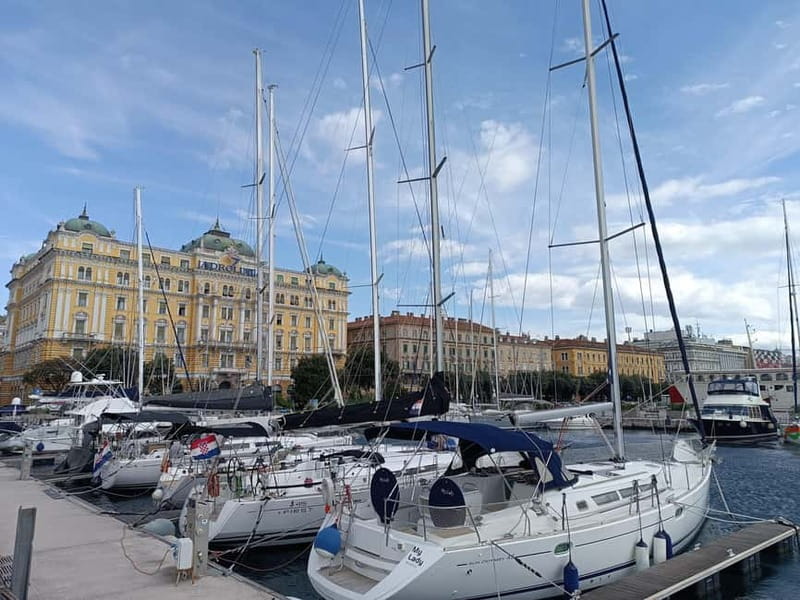
- Finish by the Old City Port, where yachts are moored today
- Morning tour extras can include the Central Market and the Turkish house
Rijeka in 135 minutes, and why a tip-based tour works
This is one of those Rijeka experiences that feels made for short stays. The total time is about 135 minutes, and the pace is steady enough to learn while still actually enjoying the walking parts. You get a sequence of anchors: the square, the shopping-and-stroll streets, the old-town core, then the harbor side.
Since the price is $0 per person, the value is mostly about the quality of the guiding and your own generosity at the end. The expected tip is usually around €10 to €20 per person, depending on how much you enjoyed it. In practice, that is a fair way to pay for a guide’s time, especially in a city where you might otherwise spend most of your time just moving between sights.
One more practical note: the tour guide works live in English. That matters in Croatia, because Rijeka is not always on the same tourist radar as Zagreb or Split. An English-speaking local guide helps you read the city instead of just snapping photos and hoping you understood the story later.
More walking tours in Rijeka:
- Dubrovnik: Old Town Walking Tour
★ 4.8 · 5,174 reviews - Split: Old Town and Diocletian Palace Walking Tour
★ 4.9 · 4,727 reviews - Dubrovnik Discovery Old Town Walking Tour
★ 5.0 · 4,458 reviews
Where you meet: Jadranski trg and the first views
You start at Jadranski trg (Adriatic square), between two fountains. If you arrive a few minutes early, you will have time to locate the fountains and get your bearings before the group gathers.
From the first minutes, you get a feel for why this square is a natural launching point. It is open enough for a group to regroup, and it places you right into the flow of Rijeka’s center. This matters because the tour is built around short explanations at specific spots. If you start in the wrong place, you lose the continuity, and that is when a walking tour feels like random sightseeing.
Expect the guide to set the tone quickly. The best moments tend to come early, when a local connects the city’s look to how it used to work.
Adriatic square to the Venetian house: the city’s layered look
After you leave the fountains area, the walk moves toward architecture that shows Rijeka’s mix of influences. The Venetian house is one of the early stops, and it is a good reminder that the Adriatic has always been a meeting point for different styles and empires.
What I like about putting this kind of stop early is psychological. You are not starting with a list of “important places.” You are starting with a visual clue, then getting the background to make it mean something. Even if you are not an architecture person, you end up noticing details you would normally pass by, like proportions, facades, and street-level rhythms.
The tour also builds a theme fast: Rijeka’s growth is tied to its role as a major port. Once that idea lands, the rest of the walk clicks into place.
Korzo, cafés, and the clock tower stop that grounds the walk
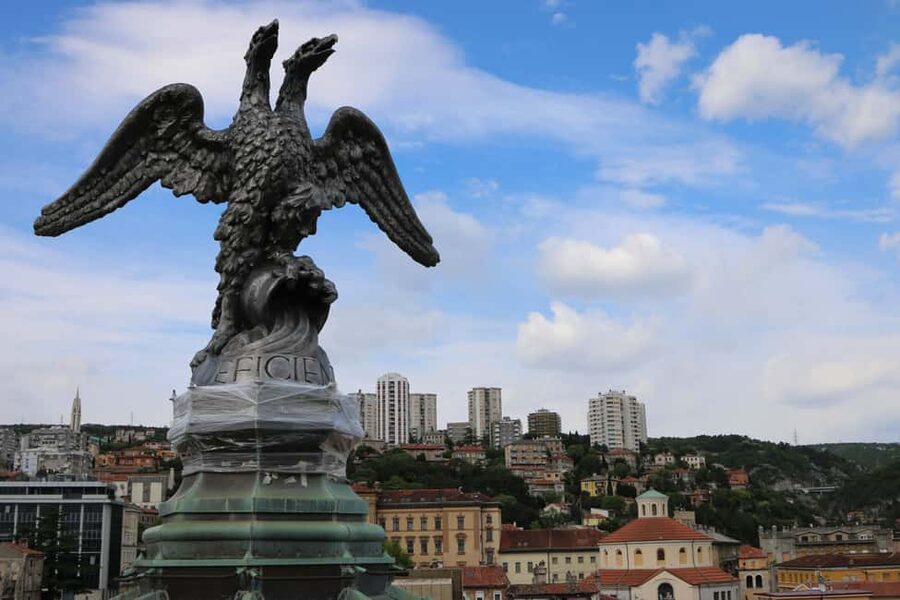
Next comes Korzo, Rijeka’s main pedestrian-style promenade and people-watching spine. You will pass the main square area with cafés and a clock tower, which gives you a natural “meeting point within the tour.”
Korzo matters for two reasons. First, it shows you where locals spend time day-to-day, not just where tourists take pictures. Second, it is a practical way to pace a walking group. You can have a short pause for stories without feeling like the group is stuck on tiny side streets.
If you care about learning how cities function, this stop is more useful than it sounds. A square is never only architecture. It is also movement, commerce, and daily habits.
A few more Rijeka trips to weigh up
- Plitvice Lakes Day Tour from Rijeka, Simple & Safe
★ 4.7 · 43 reviews - DISCOVERING THE UNKNOWN Extended WW2&UNDERGROUND tour
★ 4.7 · 15 reviews - Rijeka: Rijeka Tunnel (TunelRi) Entrance Ticket
★ 4.4 · 14 reviews
Old Town and Tarsatica: Roman roots under the streets
Then the tour shifts into older layers, including the Old Town and the ancient Roman post of Tarsatica. This is one of the stronger “how did this place start?” moments.
Roman Tarsatica works well on a walking tour because it is the kind of detail you might never notice on your own. You learn what to look for and why it sits where it does. Even though you are not touring a museum here, the guide helps you connect the past to the present street pattern.
If you like cities that feel like they grew over time rather than being created all at once, this portion is worth paying attention to. It gives you a timeline you can remember, instead of isolated facts.
St. Vitus Cathedral: a pause for faith, design, and shade
One of the planned highlights is St. Vitus Cathedral, with the note that access depends on opening. On morning tours, you may be asked to bring a garment to cover your shoulders if you want to visit inside. It is a simple detail, but it can change your experience from a quick look to a real interior stop.
This stop is also where the tour’s practical side shows up. Several guides are careful about comfort. You are walking in open areas, and heat can become a factor in summer months. The guide may choose shaded spots when possible, and that helps the tour feel humane rather than just rushed.
Drawback to keep in mind: because cathedral access depends on opening, you might see it from outside more than inside on some days.
The Leaning Tower of Rijeka: the photo moment with an explanation
The tour includes a viewing of the Leaning Tower of Rijeka. It is the kind of sight that instantly gets your attention, but the value here is the explanation. The guide connects the tower to what it symbolizes in Rijeka’s cityscape and how it fits into the larger story you have been hearing.
This is also a smart moment for pictures, because it is a clearly recognizable landmark. If you care about getting good angles, a local guide often shares exactly where to stand and how to frame it with the surrounding architecture.
Since the tour is only about 135 minutes, this is one of the stops that helps you leave with both memories and meaning.
Old City Port to the National Theatre: where the modern view meets history
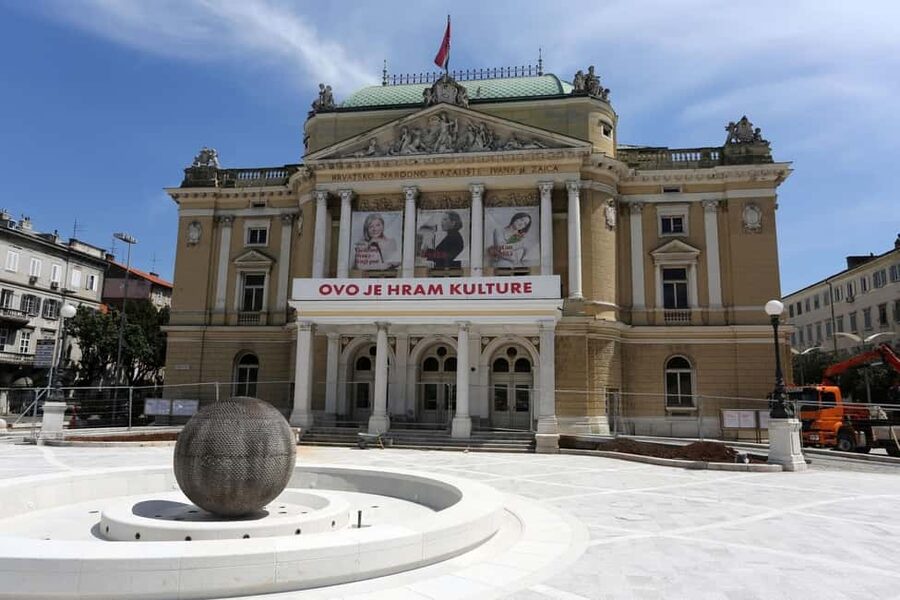
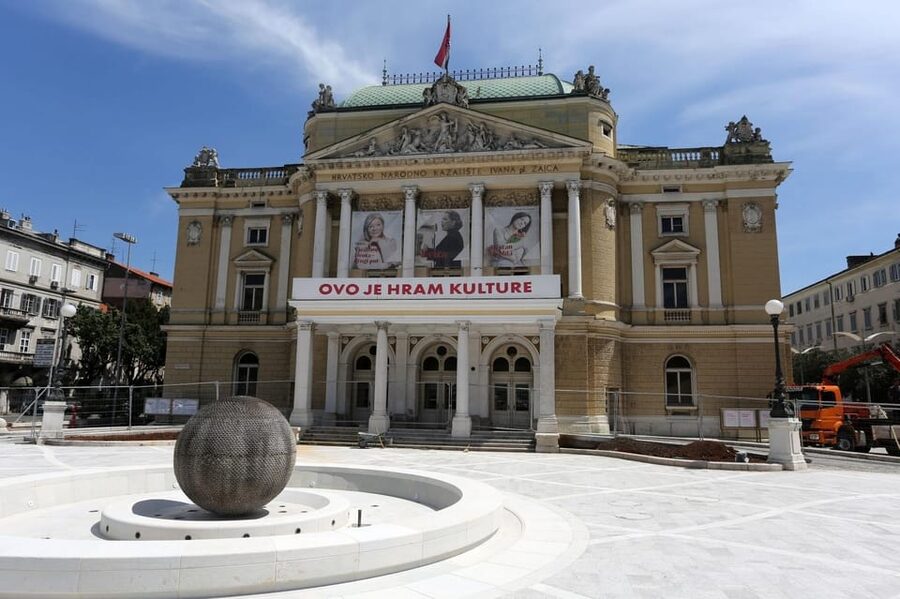
The route then heads toward the water, including a walk along the Old City Port’s wharf and a visit to the National Theatre. This is a big transition, from tight old-town corners to the wider feel of the harbor.
Finishing near the port is a good choice. It is where Rijeka’s identity as a working port becomes obvious, even today, even with luxury yachts moored alongside. You do not just hear about trade and ships. You end up standing where that trade would have been felt.
The National Theatre gives contrast too. It is a reminder that port wealth and city growth often end up funding culture and public architecture. So the harbor walk is not only scenery. It is a “this is why the city invested here” moment.
Morning tour add-ons: Central Market and the Turkish house
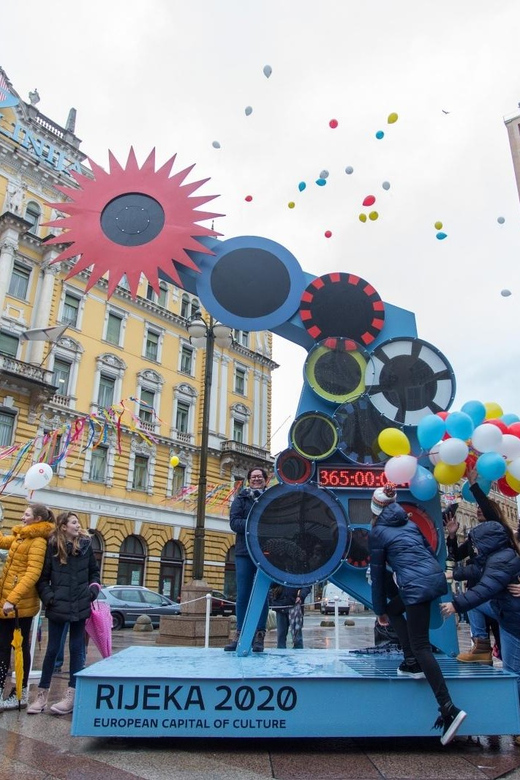
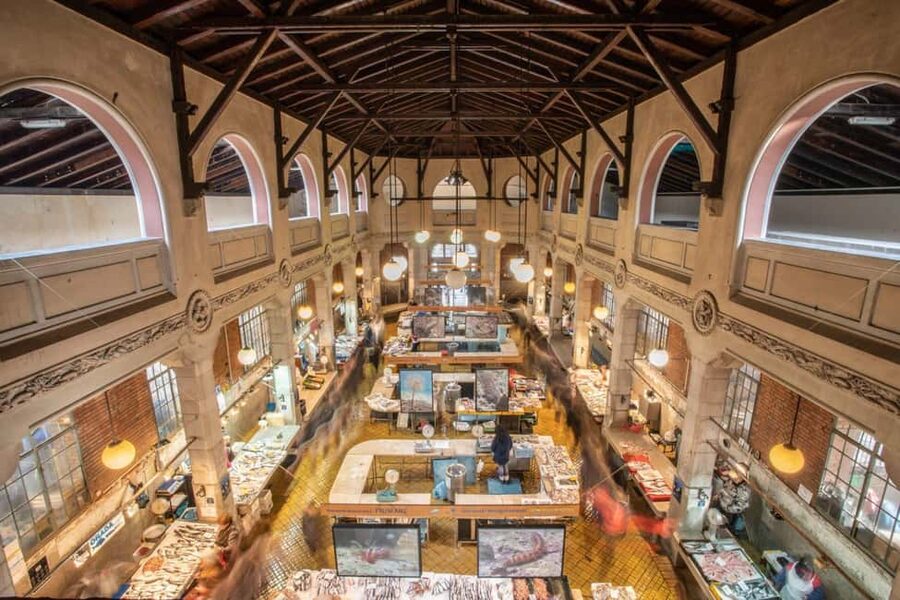
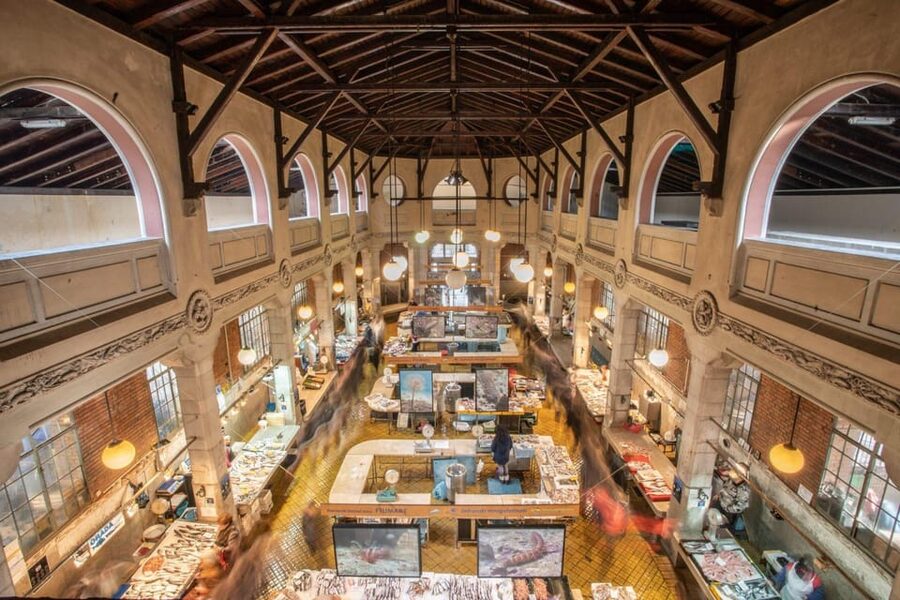
If you book the morning version, you may get extra stops. These can include the Central Market, including entry inside the fish market, plus the Turkish house.
The market stop is useful if you want to understand what people actually eat and buy, not just the tourist view. It also helps break up the walk with a different kind of environment, one where the guide can point out everyday local details.
The Turkish house is another good example of Rijeka’s crossroad identity. Even if you have never studied the region, this kind of stop helps you see that the Adriatic world is not only Italian or Austro-Hungarian. There are layers from different eras, and Rijeka reflects that.
If you are short on time and want maximum variety, morning can be the best match.
Guide style that makes the tour feel worth it
What elevates this tour is not just the sights. It is how the guide teaches.
Across the most positive experiences, you see a repeat theme: the guide keeps things interactive and answers questions clearly. Sanjin, Marko, and Ivana are names that come up often, and the common thread is a friendly way of explaining without talking down to anyone.
A few practical behaviors also stand out:
- Choosing shaded spots when it is hot
- Staying attentive to the group, so you are not left behind
- Suggesting where to eat and what else to do after the tour
- Bringing extra context, like helpful visuals and smart photo guidance
One reason this matters is simple. Rijeka is not the type of city where you can wander around for hours and automatically understand what you are looking at. A strong guide gives you a mental map of cause and effect: port to power, power to architecture, architecture to today.
Comfort and timing tips for a smooth 135-minute walk
Come prepared, because this is a walking tour through city streets.
Wear comfortable shoes. Even if the route is wheelchair accessible, you still have sidewalks, turns, and uneven curb edges in older areas. Plan to move at a moderate pace.
Bring a weather plan. The tour is not rain or shine, meaning it might be canceled in bad weather. If there is sun, it can feel intense. If there is rain, expect slipperier surfaces. A small umbrella or rain layer can save the day.
For morning tours, remember the shoulder-covering suggestion for the cathedral if you want to go inside. It is not complicated, but you do not want to be stuck outside looking in with no time to find something suitable.
Wheelchair accessibility and who this route fits best
The tour route is listed as wheelchair accessible, and the experience itself is marked wheelchair accessible. That is a big deal because walking tours often claim “accessible” while being mostly trial-and-error for real mobility needs.
If you or someone in your group uses a wheelchair, you will still want to arrive with realistic expectations: the tour runs through city center streets, and city infrastructure can vary. But the intent here is clear, and the route is designed around accessibility.
This tour is also a good fit if you prefer a structured overview rather than a free-form wander. You see the key highlights without having to decide what order makes sense.
It may be less ideal if you hate walking or you are only interested in one or two landmarks. This one works best when you want the connections between them.
Price and value: paying tips for real local guidance
Even though the base price is listed as $0, the tour is not “free” in the sense of being unpaid work. It is a tip-supported model, with typical tips around €10 to €20 per person depending on satisfaction.
Here is how I see the value. Rijeka is compact, but it is layered. A competent guide turns a short walk into an education you can carry around. If the guide keeps a good pace, answers your questions, and gives you practical ideas for what to do next, tipping is a fair exchange.
Also, because this is only about 135 minutes, you are not buying a half-day commitment. You are buying focused orientation. That is especially useful if you are combining Rijeka with nearby stops or just have one day in town.
Should you book this Rijeka walking tour?
Yes, if you want an efficient, local-guided overview of Rijeka that ties the sights together into a story you can remember. The big reason to book is the combination of major landmarks and explanations that connect the city’s port history to what you see on the streets.
I would book it for:
- First-time visits where you want to get your bearings fast
- People who like architecture, old-town details, and city history told on foot
- Anyone who appreciates a guide who actually answers questions, not someone who just talks at you
- Morning people who want market energy and the Turkish house stop
I would think twice if:
- You have very limited mobility and need a fully seated, low-walking plan
- Weather is questionable, and you would be upset if some stops, like the cathedral, do not work out
If you do book, bring good shoes, dress for the weather, and plan to tip fairly. This is the kind of tour where your support directly shapes the experience, and it shows in how guides like Sanjin, Marko, and Ivana guide.
FAQ
How long is the Rijeka walking tour?
The tour lasts about 135 minutes.
Where do I meet the guide?
You meet between two fountains on Adriatic square, Jadranski trg.
Is the tour really free, and how does payment work?
It has a $0 per person price, but it is tip-based. You give a tip to the guide at the end based on what you feel is appropriate.
How much should I tip?
Tips usually fall in the range of about €10 to €20 per person, depending on how satisfied you are with the tour.
What language is the tour offered in?
The tour is offered in English only.
What sights are included in the tour?
You will see Adriatic square, the Venetian house, Korzo, the Old Town, St. Vitus Cathedral (if open), the Leaning Tower of Rijeka, the Old City Port wharf, and the National Theatre. The Roman post of Tarsatica is also part of the walk.
Does the tour include entry to the St. Vitus Cathedral?
It includes a visit, but access is subject to opening. For morning tours, you may want to bring a garment to cover your shoulders if you wish to visit inside.
Is there a Central Market stop?
On morning tours, the tour can include the Central Market, including entry inside the fish market.
Is the tour wheelchair accessible?
Yes. The tour is marked wheelchair accessible, and the walking route is described as wheelchair accessible.
What should I wear or bring?
Bring comfortable shoes, and check the weather. If you want to visit the cathedral on a morning tour, bring something to cover your shoulders. A small umbrella or rain gear can help if conditions are unsettled.
What happens if weather is bad?
The tour is not rain or shine, so it might be canceled in case of bad weather.
Where does the tour end?
The tour ends in the city port area.
Newest Rijeka reviews on the site
- TUNNEL ABSEILING PLUS tour the underground★ 4.8 · 12 reviews
- Rijeka: Postojna Cave and Predjama Castle★ 4.9 · 6 reviews
- Istria Highlights Tour from Rijeka or Pula★ 4.0 · 6 reviews
- DISCOVERING THE UNKNOWN Extended WW2&UNDERGROUND tour★ 4.7 · 15 reviews
- Plitvice Lakes Day Tour from Rijeka, Simple & Safe★ 4.7 · 43 reviews
- Rijeka: Rijeka Tunnel (TunelRi) Entrance Ticket★ 4.4 · 14 reviews
Walking Tours, compared.
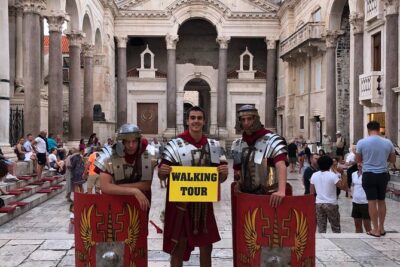
Walking Tour of Split and Diocletian’s Palace
Read our review →
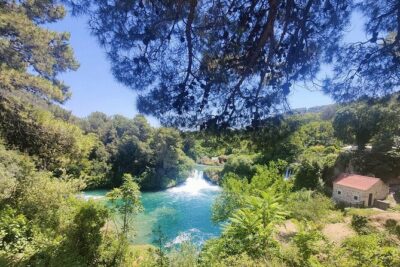
Krka Waterfalls tour with Trogir Walking tour and Krka panoramic boat cruise
Read our review →
City Walls Early Morning or Sunset Walking Tour
Read our review →Browse the lists this tour appears in