
Review · FOOD & DRINK
Split: Food Tasting Walking Tour
Two hours, and Split tastes like a story. This Split food tasting walking tour pairs Roman-palace wandering with smart bites from the city’s best food stops. You get history, but it stays grounded in what people actually eat.
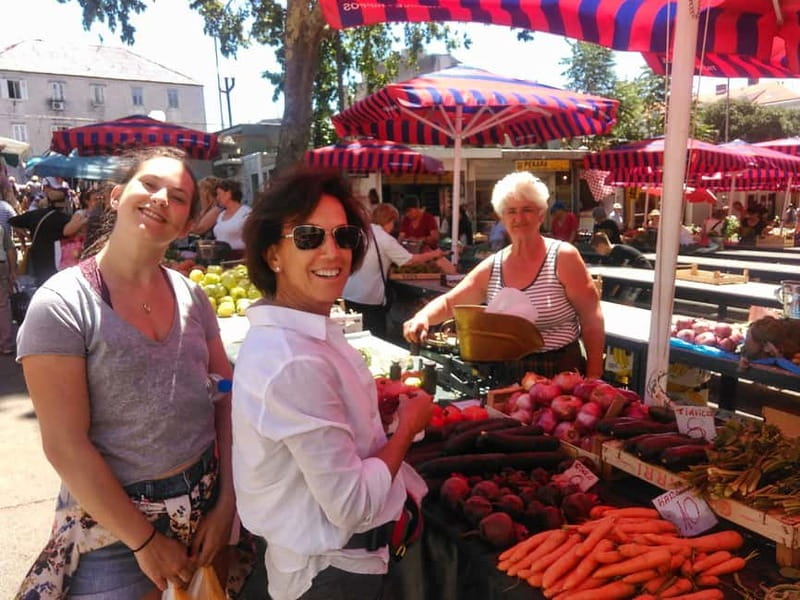
I love how the walk is built around real market energy, not a staged show. The tastings in places like the Green Market and the Peškarija Fish Market make the city feel lived-in fast.
One thing to consider: it is not wheelchair accessible, and it is a walking tour with stops in busy, sometimes uneven market areas.
In This Review
- Key highlights at a glance
- Walking in Diocletian’s Palace, starting at Golden Gate
- Green Market stops: arancini, sugared almonds, and UNESCO Soparnik
- Prosciutto, candy peel, and the chocolate Guinness record
- Peškarija fish market and marenda-style anchovies
- How much food you get for $64, and why the timing matters
- What to bring, how to dress, and what the walking feels like
- Who should book this food tasting tour (and who should skip it)
- Should you book Split’s Food Tasting Walking Tour?
- FAQ
- Where is the meeting point?
- How long is the tour?
- What’s included in the ticket price?
- Are there extra costs during the tour?
- Is the tour wheelchair accessible?
- Can children join the tour?
- What language is the tour in?
- What should I bring?
- Can I cancel for a full refund?
- Is there a pay-later option?
Key highlights at a glance
- Golden Gate start point near the Gregory of Nin statue, easy to find with a blue umbrella
- Tastings tied to Diocletian’s Palace area and centuries of local food culture
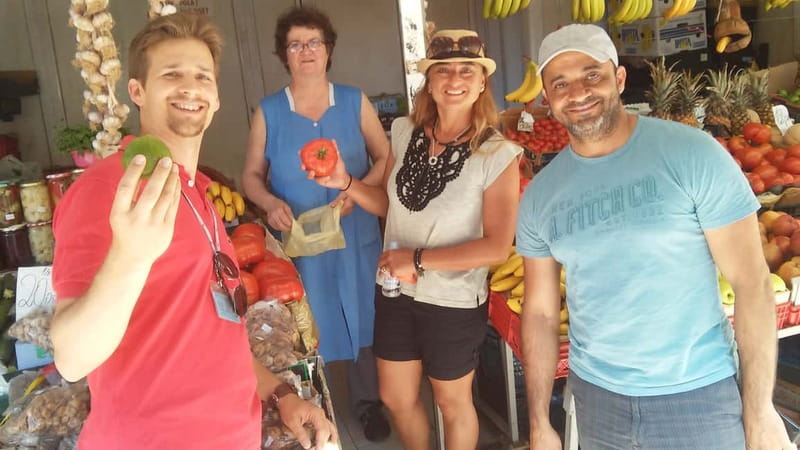
- Green Market snacks like arancini and sugared almonds
- Soparnik, a UNESCO-protected Dalmatian dish
- Peškarija Fish Market, famous for its very old benches and anchovy marenda
- Sweet stops including a Guinness-record chocolate bar shop and rafiol cake at an old bakery
Walking in Diocletian’s Palace, starting at Golden Gate
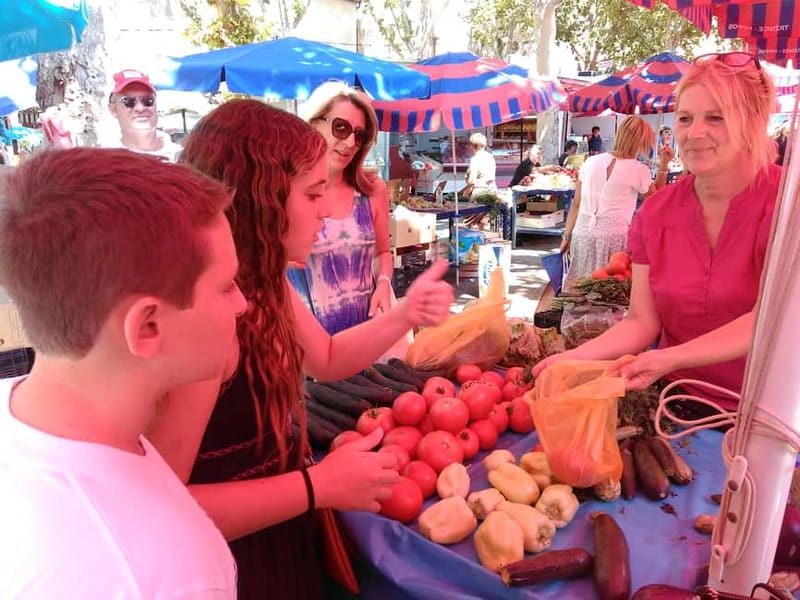
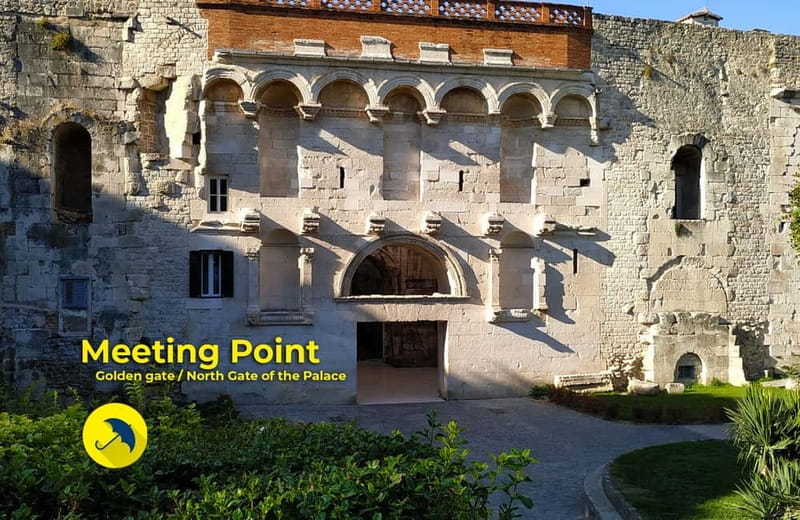
Your tour begins at Golden/North Gate, right by the statue of Gregory of Nin. Look for the blue umbrella and you’ll quickly spot your group before you step into the maze of Split’s old streets. Even if you’re new to the city, this is a great entry point because you start where the action and the history overlap.
From there, the vibe is simple: you walk, you stop, you taste, you learn. You’ll hear stories as you move through the Diocletian Palace complex, where Roman stone sets the scene for everything you’re about to eat. Split is one of those places where food feels like part of the architecture, not an afterthought.
I like that the pace stays human. You get short tasting breaks, not long sit-down pauses. And since the group is private or small groups are available, it tends to feel more like a local guided stroll than a cattle-car tour.
If you wear comfortable shoes with a grippy sole, you’ll be in good shape. This isn’t the type of tour that works if you want to minimize walking, because the whole point is moving through markets and shopfronts, not just viewing sights from a distance.
More Food Tours in Split
- From Split: Krka Waterfalls, Food & Wine Tasting Tour
★ 5.0 · 9,326 reviews - From Split: Krka Waterfalls, Food & Wine Tasting Tour
★ 4.9 · 6,598 reviews - Split: Blue Lagoon and 3 Island Cruise with Food and Drinks
★ 4.8 · 1,969 reviews
Green Market stops: arancini, sugared almonds, and UNESCO Soparnik
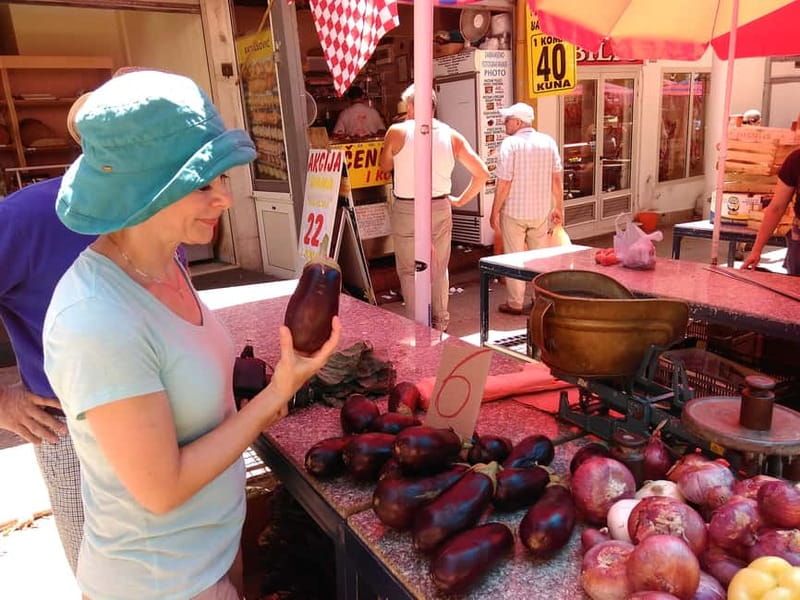
One of the smartest choices on this tour is how it starts with the Green Market (Pazar). This is where you catch the everyday rhythms of Split. You’re not just looking at stalls, you’re tasting what they sell, and you’re learning what those foods mean locally.
Early on, you’ll sample items such as arancini and almonds in sugar, the kind of morning sweetness that makes you understand why locals keep it simple: good ingredients, small pleasures, no fuss. It’s a nice reset after travel mornings, and it’s also a good way to get your palate tuned to the Dalmatian flavor style.
Next comes a key culinary moment: Soparnik. This is a traditional flatbread linked to the region and protected by UNESCO World Heritage. On the tour, you’ll pair it with a glass of local wine as described in the tour plan, though a couple of recent experiences note that wine may not always be served. If alcohol matters to you, ask your guide at the start so there are no surprises.
What makes this stop valuable is the context. Soparnik is not just a dish, it’s a snapshot of how coastal life shaped food: practical, filling, built around greens and local know-how. You’ll also see how recipes survive in a city that has changed rulers and styles over the centuries.
Prosciutto, candy peel, and the chocolate Guinness record
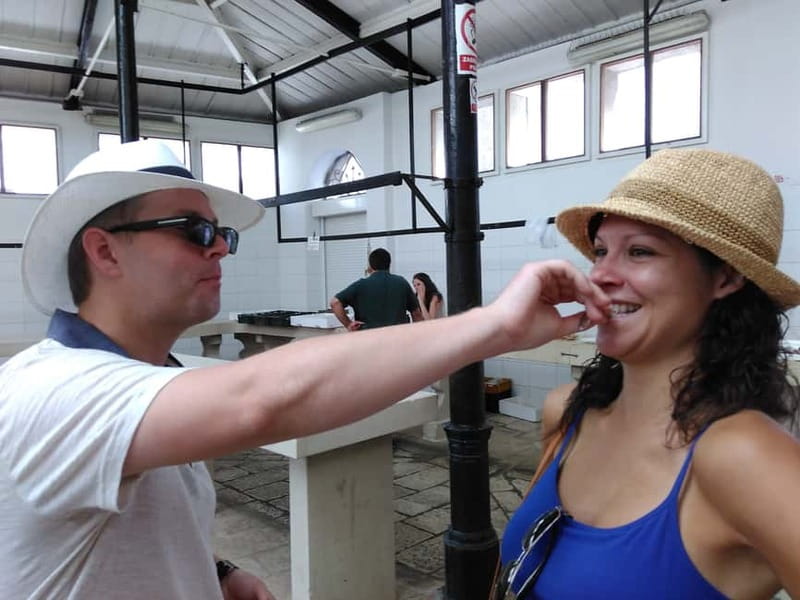
After the market, the tour shifts into a sequence of shop tastings that feel very “Split,” in the best way. You’ll try traditionally made prosciutto, which is a great bridge from savory market flavors to the sweets that follow later.
Then you’ll reach the chocolate shop, the one with a Guinness record for the largest chocolate bar in the world. Even if you’re not a major chocolate person, it’s worth seeing because it signals something real: Split loves food branding, but it also loves food craft. The tasting here helps you move past the novelty into the actual flavor.
Sweet cravings are handled too. You’ll stop at an older bakery for the famous rafiol cake. This is the kind of pastry you can miss if you just wander streets without local guidance, because it’s not always the most obvious thing to search for.
A few details from guides’ storytelling have stuck with me as I think about why this part works. Your guide doesn’t treat sweets as random desserts. They connect them to ingredients and habits, including small treats like candied orange and lemon peel, which show up in the tasting set. Those flavors are bright, and they cut nicely through the heavier savory bites you’ve already had.
The tour also does a good job of giving you a “buy again” list. Several people note that after tasting, they returned to the same shops later. That’s what you want from a food tour, not just a one-time sampling.
Peškarija fish market and marenda-style anchovies
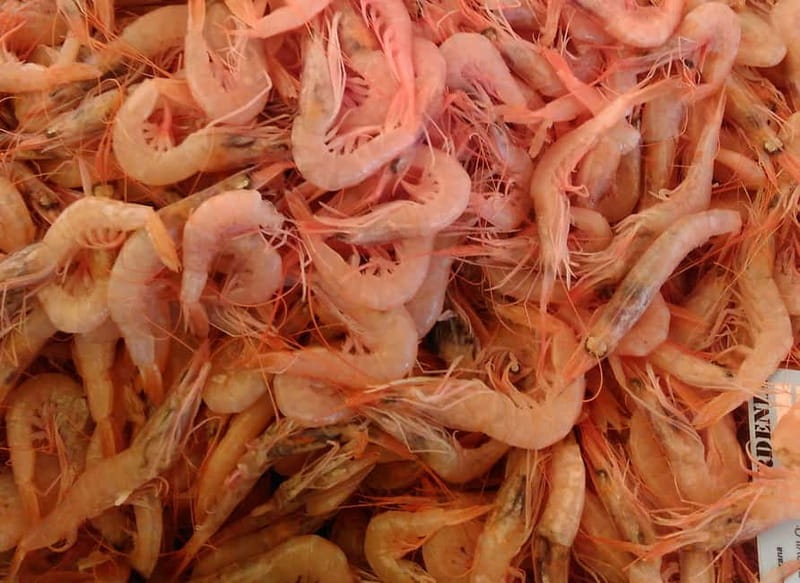
If you want one stop that feels like a Split institution, it’s the Peškarija Fish Market. It’s described as the second oldest fish market in Europe, and the detail that really lands is that it has original benches more than 120 years old. That’s the kind of fact that turns a market visit from scenery into a time machine.
Here, you’ll learn the local approach to eating seafood, including how to enjoy salted anchovies. You’ll hear about marenda, the Dalmatian brunch tradition. The important part is not just trying anchovies, it’s understanding when and why they show up in daily life.
This is where a good guide pays off. Anchovies can sound like a limited taste on paper, but with proper context, they make sense. They’re salty, cured, and intense, and they fit the coastal reality where preservation mattered. When you eat them as part of marenda, it feels less like a fancy appetizer and more like a shared, common-sense meal.
This stop also helps you understand Split’s food structure. The city doesn’t separate breakfast, lunch, and snacks into rigid categories. Markets support a slower eating rhythm: taste, taste again, then settle into a more complete meal later.
You’ll get a tasting here, and you’ll also get direction on what to watch for if you’re doing your own shopping afterward. You’ll see how the market sells by quality and tradition, not only by price tags.
More Walking Tours in Split
- Split: Old Town and Diocletian Palace Walking Tour
★ 4.9 · 4,727 reviews - Walking Tour of Split and Diocletian’s Palace
★ 5.0 · 2,588 reviews - Krka Waterfalls tour with Trogir Walking tour and Krka panoramic boat cruise
★ 5.0 · 1,659 reviews - Split & Diocletian’s Palace Walking Tour
★ 5.0 · 1,125 reviews
How much food you get for $64, and why the timing matters
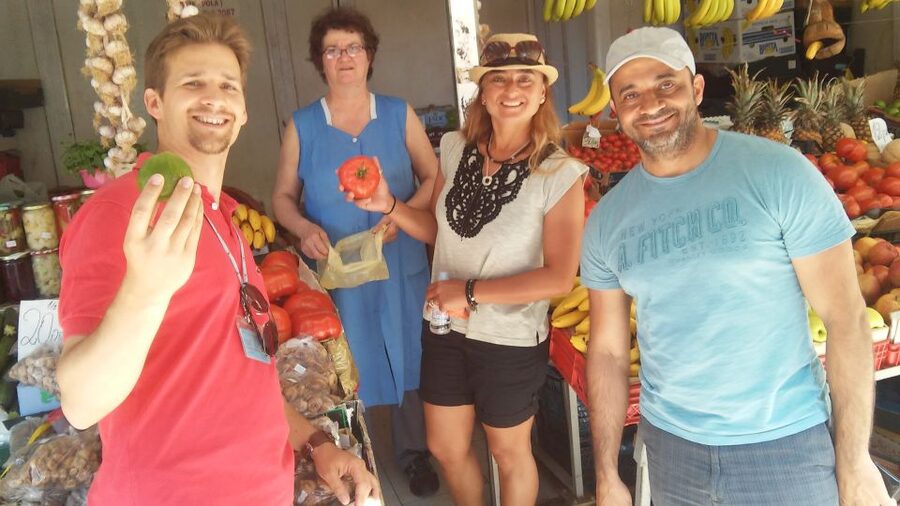
The price is $64 per person for a 2-hour walking format. For that, you get a guide, multiple tastings, and included traditional recipes. That last part matters. A recipe handout turns the tour from “I ate good stuff” into “I can reproduce parts of this at home.”
In practical terms, you should plan on a sequence of small tastings across the stops. You’re not getting one huge meal. You’re eating enough to feel satisfied, but you’ll still want dinner after if you like big Croatian-style portions.
Several experiences note that you’ll sample 10-plus foods across the different stations. That’s a big deal in terms of value because you’re paying for access to local stalls and for a guide who can translate what you’re seeing into something meaningful.
The trade-off is that everything is time-boxed. You’ll enjoy the pacing if you’re comfortable standing, walking, and moving with the group. If you want to linger in shops, this tour is designed to give you direction first, then let you choose where to return later.
One more value note: extra purchases at markets are optional. If you see something you love, you can buy it, but you’re not forced into spending more to finish the experience.
If you’re doing Split for a short stay, this tour is a smart first or second day plan. It gives you a map of flavors, so your later restaurant choices feel intentional instead of random.
What to bring, how to dress, and what the walking feels like
This is a summer-friendly city, so come prepared. The basics are comfortable shoes, sunglasses, and a sun hat. Market shade can be patchy, and you’re moving between outdoor stalls and shopfronts.
The route also includes historic stone and narrow streets around the palace area. Even if the walking distance sounds manageable, the surface can be uneven, so shoes with grip matter more than you’d think.
Also, know the boundaries up front: unaccompanied minors are not allowed, and children must be accompanied by an adult. So if you’re traveling as a family, make sure everyone’s plan matches that rule.
One more consideration is access. The tour is not accessible for wheelchair users. If you need step-free access, you’ll want a different option in Split.
Who should book this food tasting tour (and who should skip it)
This is best for you if:
- You want an efficient intro to Split’s food scene in one short block of time
- You care about both culture and taste, and you like learning through what you eat
- You enjoy markets and you don’t mind standing while you sample
It is not the best fit if:
- You need wheelchair access
- You want a mostly sit-down experience
- You dislike walking through busy market areas
I also think it fits couples and solo travelers really well. Small groups or private options help you get questions answered, and the tour naturally creates a short list of places you can revisit on your own later.
If chocolate, cured meats, and seafood are in your comfort zone, you’ll feel like you’re in the right place. This tour balances savory and sweet, with anchovies and cured prosciutto on one side, then rafiol cake and chocolate on the other.
Should you book Split’s Food Tasting Walking Tour?
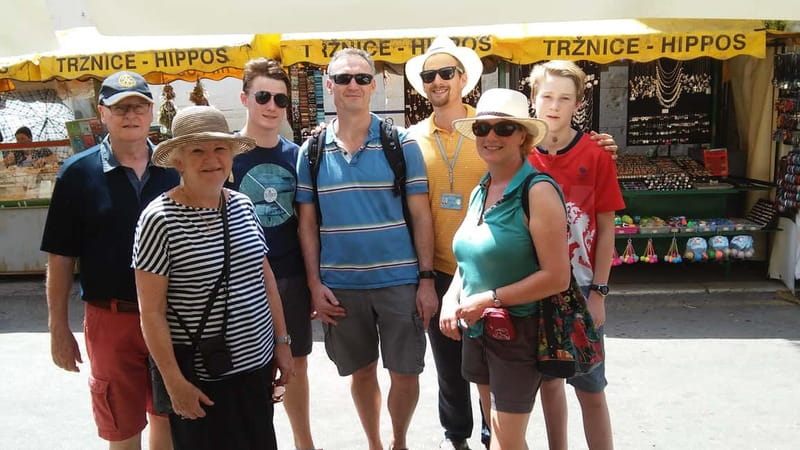
Yes, if you want a fast, tasty way to connect the dots between Split’s old Roman core and its living Mediterranean food culture. At $64 for 2 hours, the value comes from the number of tastings, the included recipes, and the fact that you’re guided through markets that can be overwhelming if you go alone.
Book it especially if you’re the type who wants to return to the places you love. The tour is built to help you taste broadly first, then shop or eat with confidence afterward.
If you have mobility limits, or you strongly prefer guaranteed wine with no variation, consider asking your guide about that alcohol stop before you commit. Otherwise, this is an excellent way to get your bearings fast and leave with a real sense of what Split eats every day.
FAQ
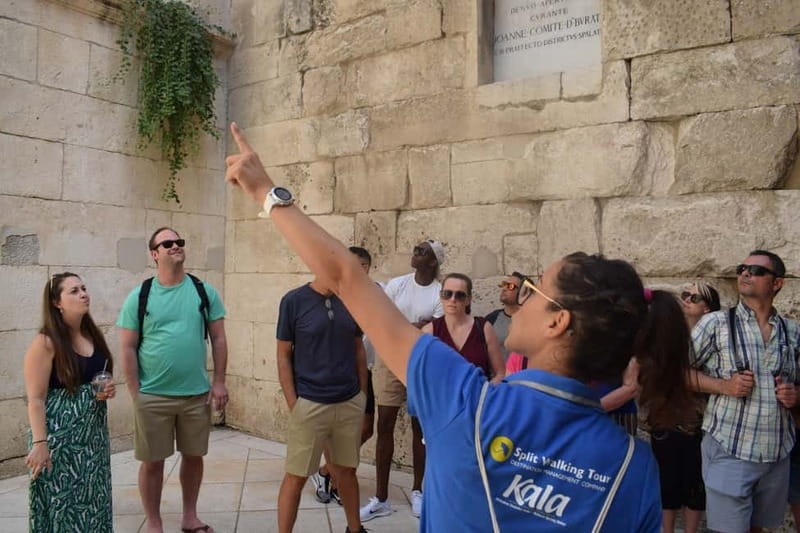
Where is the meeting point?
You meet at Golden/North Gate, near the statue of Gregory of Nin. Look for the blue umbrella.
How long is the tour?
The tour runs for 2 hours.
What’s included in the ticket price?
The price includes the guide, food tastings, and traditional recipes.
Are there extra costs during the tour?
Extra spending at the markets is optional. You might choose to buy additional items after tasting.
Is the tour wheelchair accessible?
No. The tour is not accessible for wheelchair users.
Can children join the tour?
Children must be accompanied by an adult, and unaccompanied minors are not allowed.
What language is the tour in?
The tour is offered with a live guide in English.
What should I bring?
Bring comfortable shoes, sunglasses, and a sun hat.
Can I cancel for a full refund?
Yes. The tour offers free cancellation up to 24 hours in advance for a full refund.
Is there a pay-later option?
Yes. You can use reserve now & pay later, keeping your travel plans flexible.
More Food & Drink in Split
- Krka National Park Tour with tour Guide & Wine tasting from Split & Trogir
★ 5.0 · 1,625 reviews - Split/Trogir: Krka National Park Day Trip with Wine Tasting
★ 4.7 · 925 reviews - Split: Blue Lagoon, Nečujam & Maslinica with Food & Drinks
★ 4.5 · 698 reviews - Full-Day Catamaran Cruise to Hvar & Pakleni Islands with Food and free Drinks
★ 5.0 · 670 reviews
Newest Split reviews on the site
- Split: Blue Lagoon Boat Trip with Lunch, Wine and Snorkeling★ 5.0 · 3 reviews
- Split: Guided Sunset Sea Kayaking & Snorkeling Tour★ 4.8 · 185 reviews
- Split: Sunset Guided Kayaking Tour★ 4.8 · 71 reviews
- Sunset Cruise With Music and Views of Split Riviera★ 3.6 · 10 reviews
- Step into History: Private Guided Walking Tour of Split★ 5.0 · 3 reviews
- Stand Up Paddle Tour in Split★ 4.7 · 17 reviews
- Split&Sip: Educational wine tasting★ 4.9 · 52 reviews
- Split Walking Tour with History Professor★ 5.0 · 23 reviews
Food & Drink, compared.

Blue Lagoon and 3 Island Cruise with Food and Drinks
Read our review →
Krka National Park Tour with tour Guide & Wine tasting from Split & Trogir
Read our review →
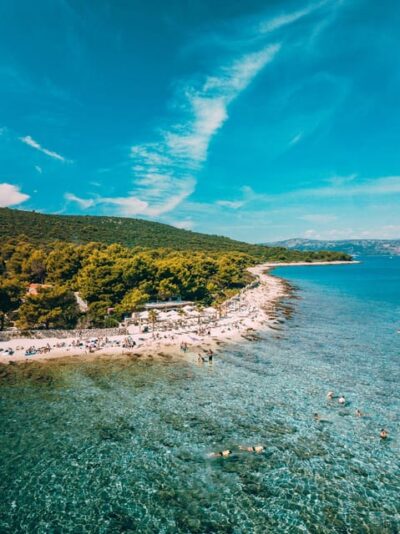
Blue Lagoon, Nečujam & Maslinica with Food & Drinks
Read our review →
Full-Day Catamaran Cruise to Hvar & Pakleni Islands with Food and free Drinks
Read our review →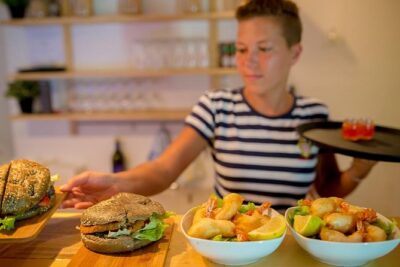
Dubrovnik Food and Drink Walking Tour with a Local Guide
Read our review →Browse the lists this tour appears in