
Review · OLIVE OIL TASTINGS
Pula: House of Istrian Olive Oil Museum and Guided Tasting
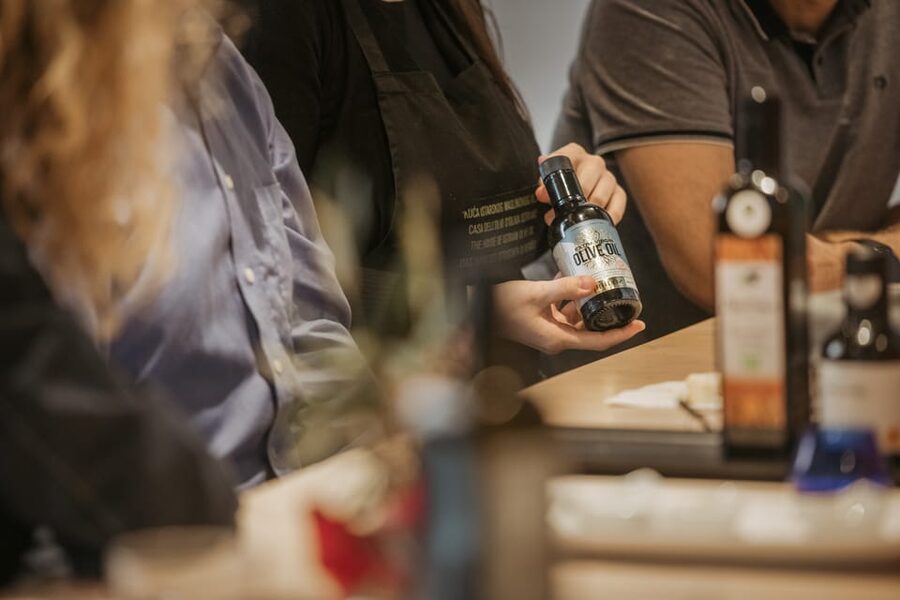
Olive oil gets real in central Pula. I loved the Istrian history angle, especially how the exhibits connect Roman production and export to what’s in the bottle today. I also loved the guided tasting of five extra virgin olive oils, where you really compare what good tastes like versus what often sits on a supermarket shelf.
There is one catch. If you want only a quick stop for photos, this is sensory learning, not sightseeing, and you will get the most value when you pay attention and ask questions. At $35 per person, it makes sense when tasting and learning olive oil quality is your kind of activity.
In This Review
- Key Highlights You Should Not Miss
- Entering The House of Istrian Olive Oil in Pula Center
- Roman Roots and Two Short Films: From Ancient Press to Today
- The Guided Tasting Room: Learning Through Taste, Aroma, Texture, and Appearance
- How to Recognize Premium Extra Virgin Olive Oil Without Guessing
- The Dessert Pairing That Explains More Than It Seems
- The Shop Stop: What You Can Bring Home From Pula
- Price and Value at $35 per Person
- Who This Tour Suits Best, and Who Might Skip It
- My Booking Decision Checklist
- FAQ
- Where is the House of Istrian Olive Oil located?
- What languages are available for this experience?
- How many olive oils do you taste?
- Is there an audio guide?
- What is included besides the tasting?
- Can I reserve and pay later?
Key Highlights You Should Not Miss
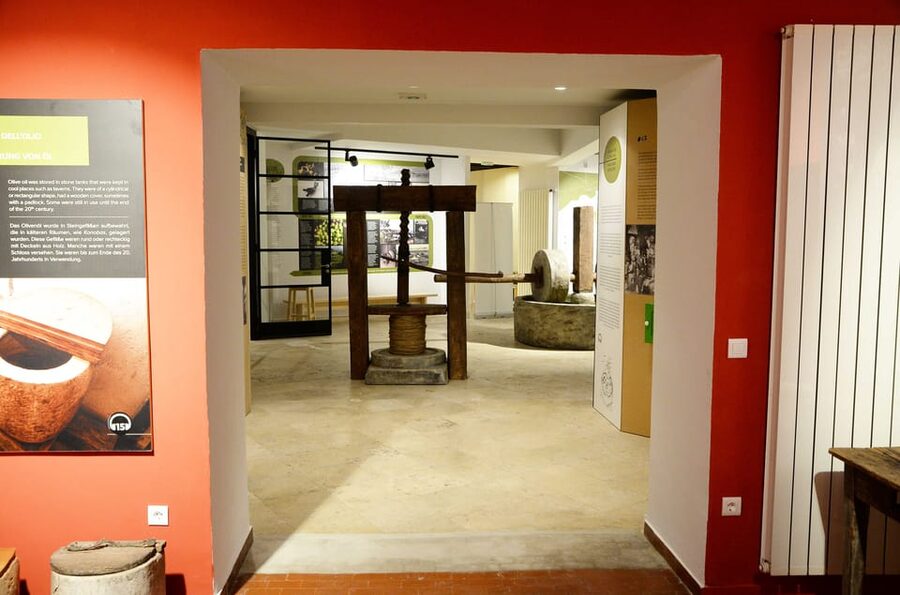
- Roman olive oil story in Istria, with clear context for how oil traveled and mattered
- Two short films showing the traditional process and how olive oil is made today
- Guided tasting of 5 extra virgin olive oils, focused on taste, aroma, texture, and appearance
- A lesson on how to recognize good versus bad olive oil, including positive and negative attributes
- Sweet dessert paired with an olive oil, which sounds unusual until you taste it
- A well stocked shop to take local oils and extras home, including brandies, truffles, and lavender cosmetics
Entering The House of Istrian Olive Oil in Pula Center
This visit starts in the middle of Pula, not out in the countryside. That matters. You can fit it into a day of walking, then retreat into something warm and focused when the weather turns.
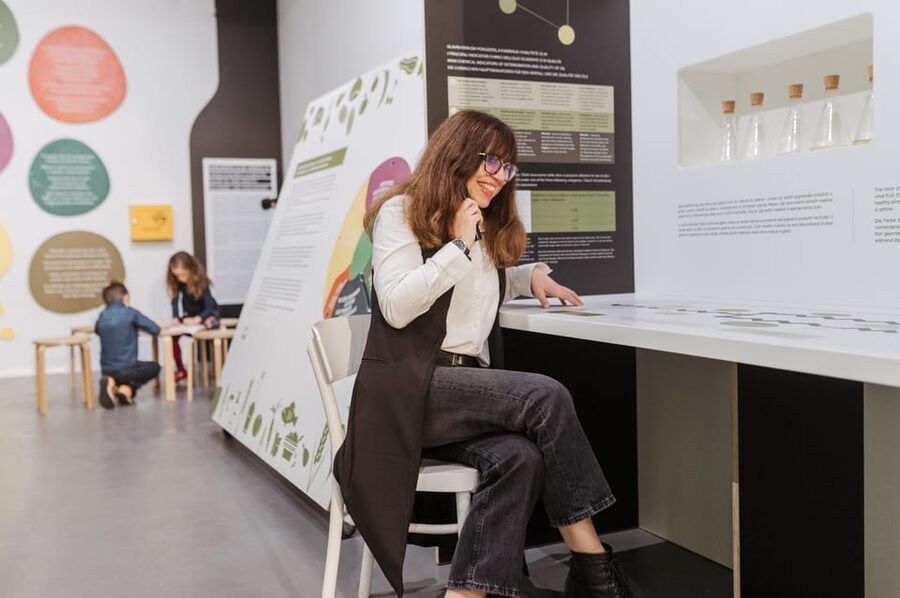
Inside, the setup is designed to teach without feeling like homework. You move through exhibits on the history of olive oil in Istria, then you settle into a tasting room where the whole experience shifts from reading to tasting. I liked the way the storytelling supports the tasting later, so it does not feel like two separate activities.
If you want to go deeper, take advantage of the audio guide option. It is available in 12 languages, so even if the group language is not your main one, you can still follow along with the ideas behind what you are tasting. The experience is offered in English and German, which keeps things straightforward for many visitors.
More Food Tours in Pula
- Istria: Guided Tour of Inner Istria with Food Tasting
★ 5.0 · 67 reviews - Olive Oil Guided Tasting and History in Pula
★ 4.5 · 34 reviews - Pula Food Walking Tour
★ 4.5 · 22 reviews
Roman Roots and Two Short Films: From Ancient Press to Today
One of the smartest choices here is the structure. You begin with the past, then watch how making olive oil works in two short films, one focused on the traditional process and another showing how olive oil is made today.
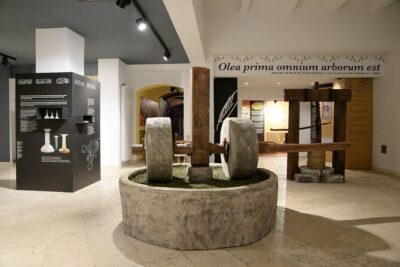
The exhibits cover how Romans made olive oil and where and how it was exported. That turns olive oil from a generic pantry item into a product with history, trade, and real stakes. Istria was not just growing olives, it was also sending oil out to the wider world. Understanding that helps you taste with more context, even if you only care about flavor.
The films do a good job of bridging the gap between explanation and your senses. When you later look at taste, aroma, texture, and appearance, you already know what the oil went through. That makes the differences you detect feel less random and more logical.
The Guided Tasting Room: Learning Through Taste, Aroma, Texture, and Appearance
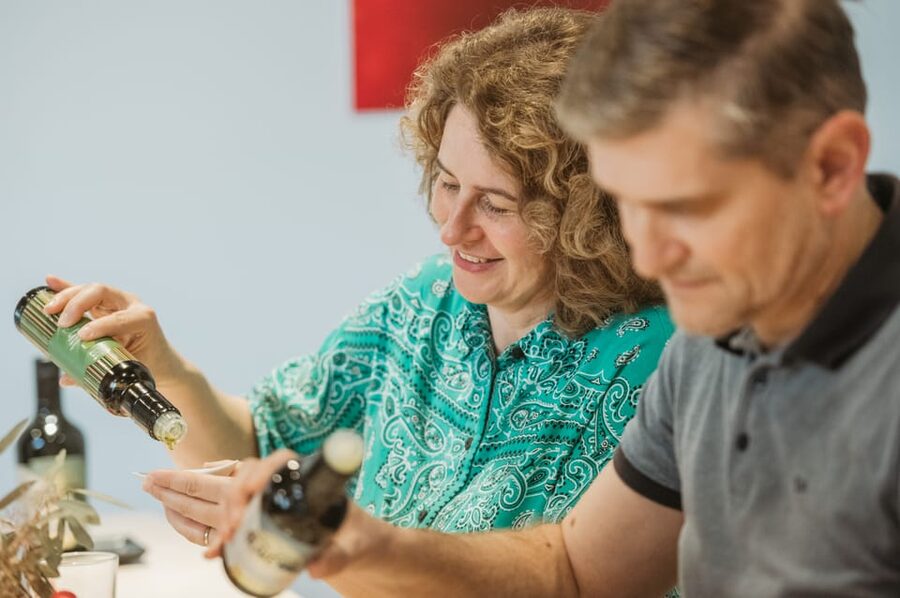
This is the heart of the experience. You take a seat in the tasting room and go step by step through five extra virgin olive oils with a guided process that focuses on your senses.
The guide walks you through what to notice: taste, aroma, texture, and appearance. That combination is important because olive oil can trick you if you focus on only one thing. Something may smell fine but taste different, or it may look inviting but not deliver the quality you want. The tasting format trains you to use more than one clue.
The experience also includes a comparison point. You learn about olive oil typically found in a supermarket, which gives you a reference for what “normal” often means in terms of quality. That does not mean supermarket oil is automatically bad, but it gives you a benchmark so you can recognize why “extra virgin” is not always the same experience.
From the way the tasting is taught, you also learn the positive and negative attributes of olive oil. I like this approach because it avoids extremes. You are not just chasing a label. You are learning what good oil tends to express and what warning signs can feel like.
How to Recognize Premium Extra Virgin Olive Oil Without Guessing
Here’s where the experience becomes genuinely useful for your future shopping. You will learn how to recognize premium extra virgin olive oil and, just as importantly, how to sort good from bad.
The tasting format helps because it turns quality into something you can sense. You are shown what to look for while you taste, rather than being handed a bunch of abstract rules. You also hear guidance on recognizing quality based on the oil’s attributes, not just the brand name.
You are also taught that there are tradeoffs and styles. The goal is not to tell you that one oil type always wins. The goal is to help you make better choices based on what you are tasting and what you want to use the oil for.
One detail I found especially helpful is the contrast lesson. You are not only taught “good oil,” you are taught how to spot the differences between quality bottles and what is commonly found in stores. That makes the whole session feel like practical buying advice, not just a fun tasting.
More olive oil tastings in Pula:
- Wine, food and olive oil by PhD student
★ 5.0 · 111 reviews - Hvar: Island tour with Wine and Olive Oil Tasting
★ 4.9 · 77 reviews - Split: Olive museum Klis with Olive Oil Tasting
★ 4.9 · 51 reviews - Šibenik: Croatia in a Day, Vistas, History, Olive Oil, Wine
★ 5.0 · 30 reviews
The Dessert Pairing That Explains More Than It Seems
Food tours sometimes stop at the savory. This one adds a dessert twist, and it actually teaches you something.
You try a pairing of sweet dessert and an olive oil that has been selected for you. The point is to show how olive oil can interact with sweetness in a way that changes your perception. Sweet plus olive oil can sound like a dare, but the pairing is there to make your senses work harder, so you notice aroma and texture more clearly.
I like that the pairing is included. It keeps the tasting from becoming one long straight line. It gives you a quick reset and a new angle on the same ingredient. Even if you do not become an olive oil dessert person, you will probably come away with better instincts for how oil affects a dish.
The Shop Stop: What You Can Bring Home From Pula
After you learn how to evaluate olive oil, you get to see it in a shop setting. That is where the experience stays grounded. Instead of ending with information only, it ends with products you can actually buy.
The store has a wide selection of Istrian extra virgin olive oils plus brandies, truffles, lavender based cosmetics, and souvenirs. That mix is useful if you want one stop for multiple gift types. It also makes sense after the tasting, because you can apply what you just learned to what you are considering for purchase.
If you like practical travel value, focus your shopping on oils you would realistically use. Taste is personal. The session helps you figure out what you like, so buying becomes less about guessing and more about matching your taste preferences to a local product.
Price and Value at $35 per Person
At $35 per person, the question is not whether it costs money. It is whether you get enough value to justify paying instead of just wandering and buying a bottle.
Here’s what you get for the price:
- Guided tasting of 5 extra virgin olive oils
- A sweet dessert paired with a selected olive oil
- Audio guide available in 12 languages
- Learnings built around recognizing quality, including comparisons
That combination is why the price can feel fair. You are not paying only for the room and the oils. You are paying for guided instruction that teaches you how to evaluate the oils yourself. That skill transfers directly to future purchases.
Also, the experience has a very high rating of 4.9 with 35 reviews. A score like that usually reflects consistent quality, particularly in the tasting portion. I take that seriously because food experiences rise or fall fast on taste and teaching clarity.
If you love food, cooking, and shopping with purpose, this price tends to fit your interests well.
Who This Tour Suits Best, and Who Might Skip It
This is a great match if you want your time in Istria to connect to something you can use at home. If you cook, dress salads, finish pasta, or simply want to understand what makes olive oil worth it, you will get a lot out of the tasting training.
It is also a solid rainy weather option in Pula. A lot of cities turn gray, and olive oil does not. You get a warm indoor experience where the focus stays on aroma, taste, and learning.
Who might not love it? If your travel style is mostly about big monuments, long photo stops, and minimal structured activities, this may feel like the wrong day. The upside is you can still treat it like a hands on food workshop, not a formal class.
My Booking Decision Checklist
I would book this if at least two of these are true for you:
- You want a tasting you can learn from, not just sample and forget.
- You care about the difference between good extra virgin olive oil and the oil that is common on shelves.
- You enjoy food history, especially how a product shaped by Romans connects to what you buy today.
- You like the idea of pairing sweet dessert with olive oil and seeing what you notice.
- You plan to shop with intention for oils, truffles, brandies, or lavender cosmetics.
I would think twice if you are not interested in tasting quality or you prefer fully self guided activities. In that case, you could still buy olive oil in Pula, but you would miss the structured lesson that helps you choose.
FAQ
Where is the House of Istrian Olive Oil located?
It is in the center of Pula, so it is easy to combine with other time in the city.
What languages are available for this experience?
The experience is offered in English and German.
How many olive oils do you taste?
The guided tasting includes 5 extra virgin olive oils.
Is there an audio guide?
Yes. An audio guide is available in 12 languages.
What is included besides the tasting?
You also get a sweet dessert paired with a selected olive oil.
Can I reserve and pay later?
Yes. You can reserve and pay later, meaning you can book your spot and pay nothing today, and you can cancel up to 24 hours in advance for a full refund.
More Museums in Pula
- Blue Lagoon & Underwater Museum from Split with Lunch & Drinks
★ 4.5 · 1,122 reviews - Zagreb: Skip-the-Ticket-Line Museum of Broken Relationships
★ 4.5 · 847 reviews - Zagreb: Nikola Tesla Technical Museum Ticket
★ 4.5 · 520 reviews - Split: Game of Thrones Museum Entrance Ticket
★ 3.8 · 385 reviews
More Food & Drink in Pula
- Wine Tasting Experience at the organic winery in Šišan
★ 3.5 · 13 reviews - Kamenjak: Private Boat Tour with Food and Drink
★ 5.0 · 4 reviews - From Split: Krka Waterfalls, Food & Wine Tasting Tour
★ 5.0 · 9,326 reviews - From Split: Krka Waterfalls, Food & Wine Tasting Tour
★ 4.9 · 6,598 reviews
Newest Pula reviews on the site
- SUP Yoga in Stunning Stoja Bay: Balance, Breath & Connect★ 5.0 · 14 reviews
- From Fažana: snorkeling at sea cave and Brijuni Island★ 4.8 · 49 reviews
- Rent a boat up to 6 person on Cape Kamenjak Nature Park★ 4.8 · 76 reviews
- Fažana: Guided Buggy Tour in the Heart of Istria★ 4.8 · 109 reviews
- Pula:Sunset Tour By Clear Kayak,Cave,Swim & Cliff Jumping★ 4.9 · 35 reviews
- Pula: Swimming & snorkeling Boat Tour★ 3.4 · 7 reviews
- Pula: Sunset/Night Illuminated Transparent Kayak Tour★ 4.9 · 126 reviews
- Pula: Your Custom Private Half-Day Sailing Adventure★ 5.0 · 4 reviews
Olive Oil Tastings, compared.

Croatia in a Day, Vistas, History, Olive Oil, Wine
Read our review →
Biking Vidova – Skrip & museum of olive oil – Splitska – Postira
Read our review →
Istrian tapestry – gourmet tour combining wine, truffles and olive oil
Read our review →
Browse the lists this tour appears in