
Review · OLIVE OIL TASTINGS
Olive Oil Guided Tasting and History in Pula
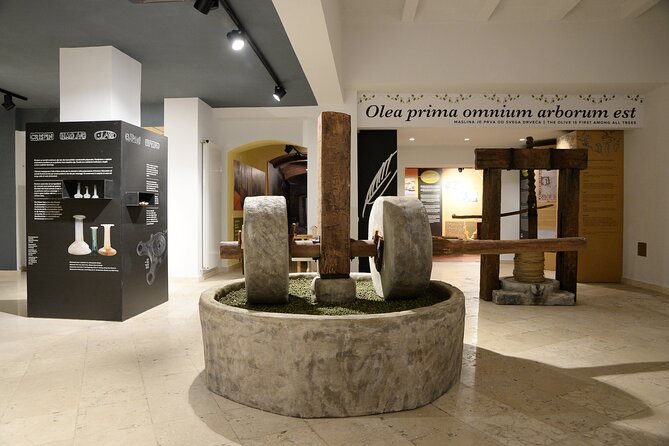
Olive oil tastings can be surprisingly fun. You start in a small museum at Museum Olei Histriae, where you see how Romans in Istria made and exported olive oil, then watch films about how it is made today.
I love that the guide turns tasting into a skill you can use at home, with sensory analysis of both top Istrian olive oils and a supermarket-style option. You also get snacks and dessert included, so it is not just a lecture.
One possible drawback: the museum space is compact, and the layout may feel a bit odd if you prefer very hands-on exhibits. If you mainly want the food lesson, you will still be in good shape.
In This Review
- Key things to know before you go
- Inside the Museum Olei Histriae start, Roman olive oil to today
- The guided sensory tasting that actually teaches you something
- “Is it really Extra Virgin?” How to think about the label
- Pairing sweet dessert with olive oil, why it works
- Timing, group size, and getting there in Pula
- Price and value: why $36.04 can make sense
- Who should book this olive oil tasting in Pula
- Should you book? My honest take
- FAQ
- What is the duration of the Olive Oil Guided Tasting and History in Pula?
- Where does the tour start in Pula?
- What is included in the tasting?
- What language is the tour offered in?
- How large is the group?
- Is there a mobile ticket?
- What are the opening hours?
- What is the cancellation policy?
Key things to know before you go
- Roman-era olive oil context in a focused museum stop, plus two short processing films
- Guided sensory tasting that compares high-quality Istrian oils with an everyday supermarket oil
- Extra Virgin spot-check skills, including how to identify positive and negative attributes
- Polyphenols explained simply, with health context tied to what you smell and taste
- Sweet dessert paired with extra virgin olive oil, for a memorable finish
- Small group size (max 20), which helps you ask questions without waiting
Inside the Museum Olei Histriae start, Roman olive oil to today
Your tour begins at Istarska ul. 30, 52100, Pula, at the Museum Olei Histriae. You go in and start with an exhibition that is short but purposeful. Think less like a huge, wandering museum, and more like a guided briefing that sets up the tasting you will do next.
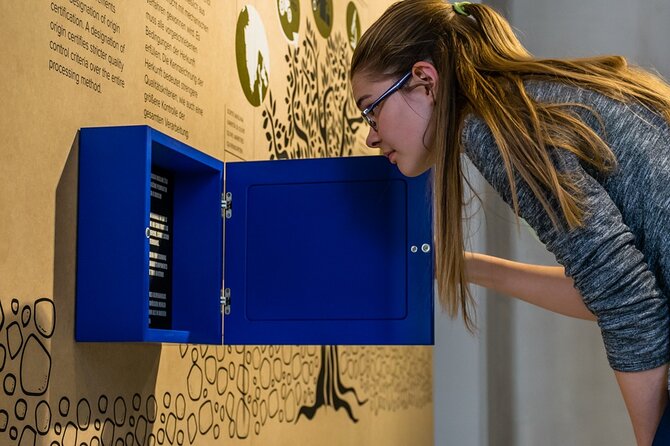
The standout here is the way the museum frames olive oil as part of how Istria connected with the wider world. You will see how Romans in Istria made olive oil, and you will also learn where it was exported. That historical thread matters because olive oil was never just a local kitchen item. It was a product, traded and valued, and that context makes the later tasting feel more meaningful.
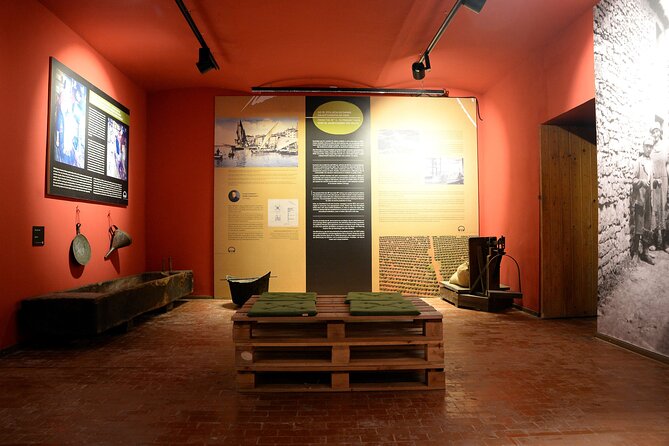
You will also watch two short films. One focuses on traditional processing. The other explains how olive oil is made today. The pacing is friendly. You are not stuck for long, and the films help you understand what you are tasting, even if you are not an olive-oil nerd.
One practical point: because the museum is compact, you should expect a quick flow. That is not a problem, but it does explain why some people find the layout a bit strange. If you like meandering, you might feel it is moving faster than you would prefer. If you like your history packaged neatly so you can get to the good part, you will probably enjoy it.
More Food Tours in Pula
- Istria: Guided Tour of Inner Istria with Food Tasting
★ 5.0 · 67 reviews - Pula: House of Istrian Olive Oil Museum and Guided Tasting
★ 4.9 · 35 reviews - Pula Food Walking Tour
★ 4.5 · 22 reviews
The guided sensory tasting that actually teaches you something
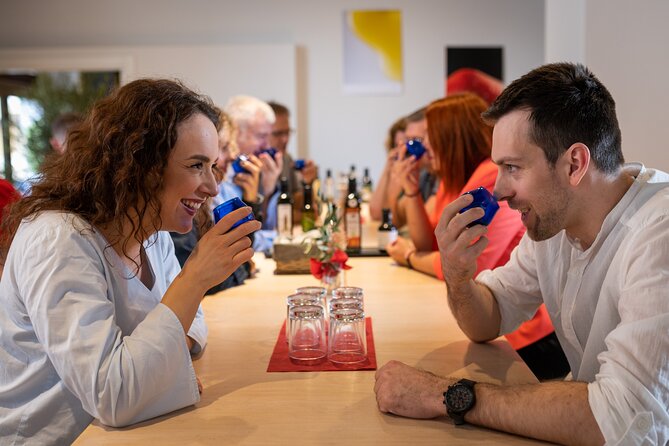
After the museum portion, you move into the tasting room. This is where the experience earns its reputation. Instead of handing you a few cups and hoping for the best, the guide walks you through how to do a sensory analysis.
You will taste high-quality Istrian olive oils, and you will also taste another oil that is closer to what people often buy in supermarkets. That comparison is the whole point. It gives you something concrete to aim for, and it shows you that olive oil can vary a lot in flavor and quality even when the label looks similar at first glance.
You will also learn how to recognize good from bed olive oils. The tour does not just say good oils taste better. It nudges you to notice attributes and possible flaws. You start thinking like a taster, with attention to smell and taste, not just preference.
The guide also teaches you how to identify positive and negative attributes you might notice in an oil. You will get the sense of what you should search for, and what you should question. That is useful because most of us buy by habit. This tour helps you buy with your senses.
If you care about health, you will also hear why polyphenols matter. You might not leave with medical advice, but you will walk away with a clearer reason olive oil quality is more than a luxury detail.
And yes, snacks are included. That matters more than you might think. Olive oil flavors are easier to appreciate when your stomach is not empty and you have something small to steady things while you taste.
“Is it really Extra Virgin?” How to think about the label
A lot of people wonder what Extra Virgin actually means in real-world terms. This is where the tour becomes practical. You are not just tasting. You are building a checklist in your head.
The guide focuses on recognizing quality signals in the cup. That includes learning to pick up on characteristics that often suggest higher quality. You will also learn about negative attributes, basically the kinds of things that can show up when an oil is not at its best.
Here is the mental trick I like from experiences like this: treat every taste as information. If something smells off or tastes unbalanced, do not ignore it. Learn what that can signal. If something tastes clean, balanced, and expressive, you are training your palate for that style.
The tour also helps you separate the idea of brand labels from the reality of what is in the bottle. Even if you already know the term Extra Virgin, this kind of guided tasting gives you a way to connect that label to the sensory side of olive oil.
One more note: the experience includes a sensory approach, not just a single tasting. So if you are the type who needs context, you will get it. The guide sets up what to look for and then gives you repeated chances to practice noticing.
If you are the type who wants a lot of interactive museum-style activity, the tasting room will likely be the part you love most. The museum itself can feel more like a short exhibit pass, while the tasting is where the group gets the most guided value.
Pairing sweet dessert with olive oil, why it works
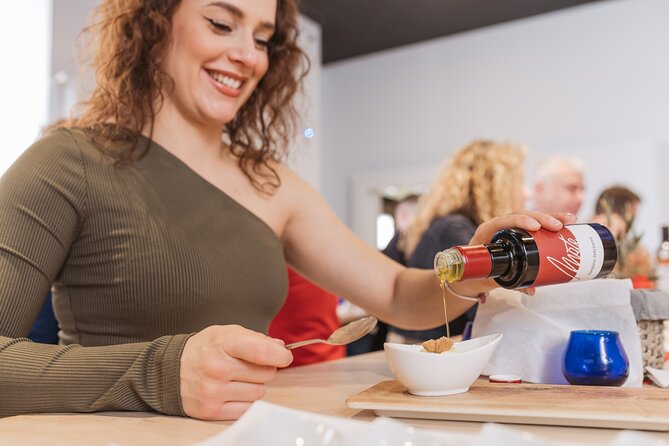
The finale is a surprise dessert paired with olive oil. This is not a gimmick. Done well, it shows you how olive oil can play with sweetness instead of fighting it.
You will try a dessert and it is paired with high quality extra virgin olive oil. The goal is to shift your thinking. Many people treat olive oil as strictly savory. But olive oil has aromatic complexity, and extra virgin olive oil can add structure to a sweet bite.
The surprise element is part of the fun, but the underlying lesson is consistent: olive oil is food, not just ingredient. When you taste it next to something sweet, you start to understand why cooks use it beyond salads and finishing drizzle.
I like this ending because it locks in the tour’s core message. You cannot really remember everything you tasted. But you will remember the moment your expectations got updated, the sweet and peppery or fruity notes working together in your mouth.
More olive oil tastings in Pula:
- Wine, food and olive oil by PhD student
★ 5.0 · 111 reviews - Hvar: Island tour with Wine and Olive Oil Tasting
★ 4.9 · 77 reviews - Split: Olive museum Klis with Olive Oil Tasting
★ 4.9 · 51 reviews - Šibenik: Croatia in a Day, Vistas, History, Olive Oil, Wine
★ 5.0 · 30 reviews
Timing, group size, and getting there in Pula
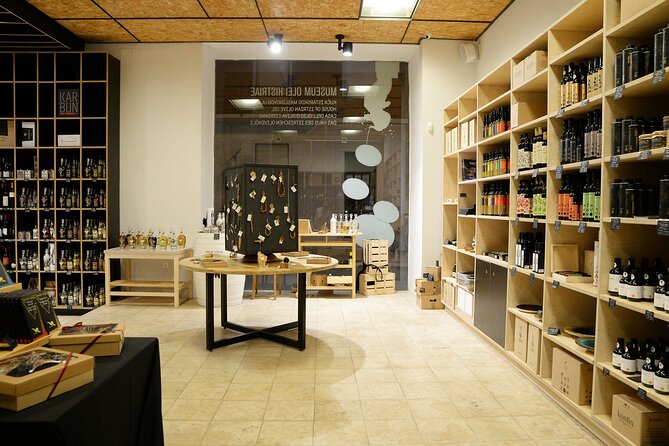
The experience runs about 1 hour 30 minutes, and it can stretch a little depending on your interests. That flexible timing is actually a plus. If you ask questions, you will not feel rushed out the door. If you want to move quickly through the tasting, you can keep it moving too.
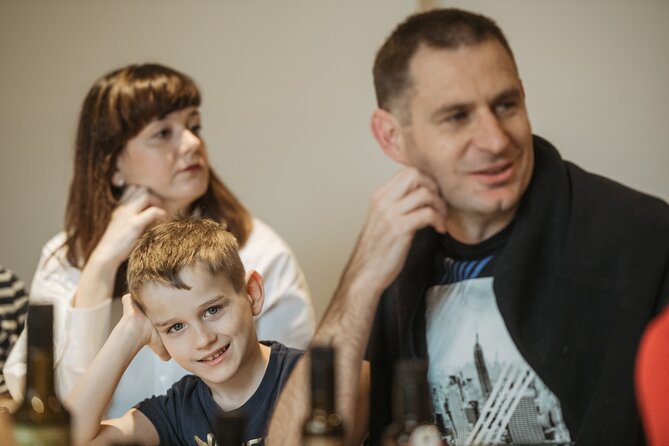
You also get a small group setting, up to 20 participants. That matters because olive oil tasting is personal. Smell and taste are subtle. In a large group, you can end up hearing the guide from across the room with no chance to ask anything. Here, the group size helps you stay engaged.
The tour offers the experience in English, and you get a mobile ticket. The meeting point is fixed at Istarska ul. 30, and it returns you there at the end.
Hours are listed as Monday through Saturday, 10:00 AM to 6:00 PM. So plan your visit somewhere in that window. Also note that if you arrive right before a start time, you may find the space busy. Give yourself a little buffer so you can check in calmly and not rush the tasting.
Also, the museum is near public transportation, so you should be able to fit it into a half-day plan without needing a car. Service animals are allowed, and the tour says most travelers can participate, which is a helpful sign for day-to-day practicality.
Price and value: why $36.04 can make sense
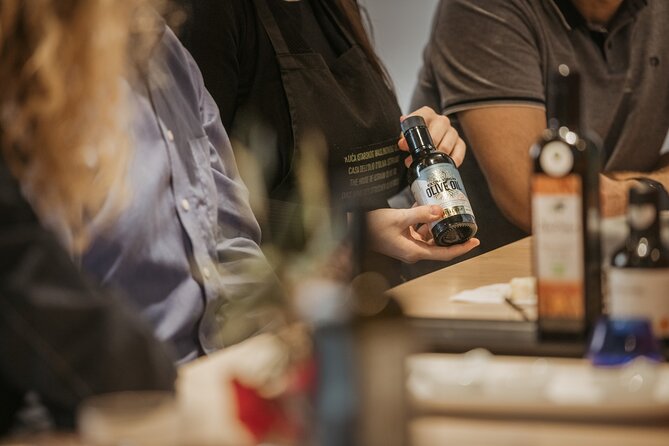
At $36.04 per person, this tour is not a freebie, but it is also not priced like a big, long, high-friction food tour. You are paying for three things: guided tasting, included snacks and dessert, and a museum-style introduction that sets context.
If you have ever bought olive oil just based on bottle labels, you know how easy it is to waste money. The value here is learning how to evaluate oil for yourself. That is a skill that can pay off after you buy a bottle or two.
The comparison tasting is the big economic reason this works. You taste both an Istrian oil that is positioned as higher quality and an oil more like what many people pick up at the store. Once you have your own sensory reference points, your shopping gets easier.
You also get a structured lesson on polyphenols and why quality matters. Even if you are not chasing health trends, it adds a clear reason to care about production and processing.
And because the group is capped at 20, you are more likely to get time with the guide. That is part of the value. A tasting with no guidance can be fun, but it usually ends at curiosity. This tour pushes toward understanding.
The overall rating is high, with 4.7 out of 5 and 94% recommended. I treat that as a sign the guide and tasting session land well, especially given how often small experiences succeed or fail based on explanation quality.
Who should book this olive oil tasting in Pula
This tour fits best if you like food culture and you want more than a simple taste. If you are the type who asks questions at dinner, you will enjoy how the guide frames what you taste and what you can look for later.
It is also a good match if you are an Istria first-timer. Pula is full of history, but olive oil is one of the region’s everyday pillars. This experience connects the historic side of Istria to the plates you will eat during your trip.
You will especially enjoy it if you care about shopping with confidence. You can treat this like your olive oil training session. The payoff is not just the hour and a half. It is what you bring home when you decide which bottles to buy.
If you want a huge museum or lots of hands-on exhibits, you might find the museum portion smaller than expected. But the tasting room work is the heart of the experience, and that part is the strongest value for most people.
Should you book? My honest take
Book it if you want a guided olive oil lesson with a clear sensory payoff. I think the included tasting comparisons are worth it, and the dessert pairing makes the ending feel special rather than purely instructional. The small group size also helps you stay connected to the guide.
Skip it only if you already know exactly what you want from olive oil and you mostly need a casual snack stop. Even then, you might still learn something, but the experience is designed to teach.
For most visitors who are interested in Croatian food culture, this is a smart buy. It is short, structured, and practical, and you leave with both a better palate and a better sense of what to look for next time you shop.
FAQ
What is the duration of the Olive Oil Guided Tasting and History in Pula?
It runs for about 1 hour 30 minutes, depending on your interests.
Where does the tour start in Pula?
The tour starts at Istarska ul. 30, 52100, Pula, Croatia, at the Museum Olei Histriae.
What is included in the tasting?
Olive oil tasting and snacks are included, and you also try a sweet dessert paired with olive oil.
What language is the tour offered in?
The experience is offered in English.
How large is the group?
The tour has a maximum of 20 travelers.
Is there a mobile ticket?
Yes, the tour includes a mobile ticket.
What are the opening hours?
It lists Monday through Saturday from 10:00 AM to 6:00 PM.
What is the cancellation policy?
Free cancellation is available. You can cancel up to 24 hours in advance for a full refund.
More Historical Tours in Pula
- Pula: Historic Walking Tour with Local Guide & City Views
★ 4.8 · 214 reviews - Pula: Historic Sites Guided Walking Tour
★ 4.8 · 78 reviews - Dubrovnik Old Town History Walking Tour
★ 5.0 · 1,684 reviews - Zagreb: City & History Walking Tour & WW2 Tunnels
★ 4.9 · 1,202 reviews
More Food & Drink in Pula
- Wine Tasting Experience at the organic winery in Šišan
★ 3.5 · 13 reviews - Kamenjak: Private Boat Tour with Food and Drink
★ 5.0 · 4 reviews - From Split: Krka Waterfalls, Food & Wine Tasting Tour
★ 5.0 · 9,326 reviews - From Split: Krka Waterfalls, Food & Wine Tasting Tour
★ 4.9 · 6,598 reviews
Newest Pula reviews on the site
- SUP Yoga in Stunning Stoja Bay: Balance, Breath & Connect★ 5.0 · 14 reviews
- From Fažana: snorkeling at sea cave and Brijuni Island★ 4.8 · 49 reviews
- Rent a boat up to 6 person on Cape Kamenjak Nature Park★ 4.8 · 76 reviews
- Fažana: Guided Buggy Tour in the Heart of Istria★ 4.8 · 109 reviews
- Pula:Sunset Tour By Clear Kayak,Cave,Swim & Cliff Jumping★ 4.9 · 35 reviews
- Pula: Swimming & snorkeling Boat Tour★ 3.4 · 7 reviews
- Pula: Sunset/Night Illuminated Transparent Kayak Tour★ 4.9 · 126 reviews
- Pula: Your Custom Private Half-Day Sailing Adventure★ 5.0 · 4 reviews
Olive Oil Tastings, compared.

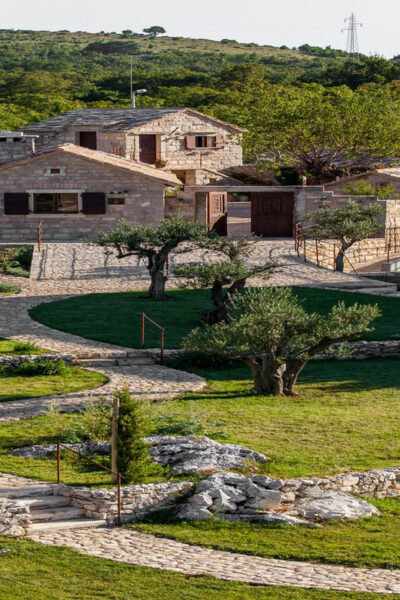
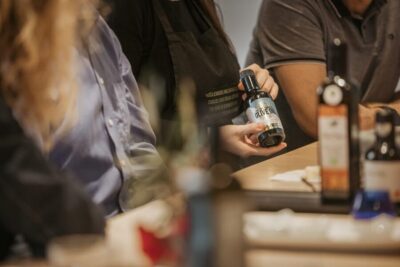
House of Istrian Olive Oil Museum and Guided Tasting
Read our review →
Croatia in a Day, Vistas, History, Olive Oil, Wine
Read our review →
Biking Vidova – Skrip & museum of olive oil – Splitska – Postira
Read our review →
Istrian tapestry – gourmet tour combining wine, truffles and olive oil
Read our review →
Browse the lists this tour appears in