
Review · OLIVE OIL TASTINGS
Split: Olive museum Klis with Olive Oil Tasting
Olive oil has a smell test here. At Stella Croatica near Klis, you get a guided look at a family estate and then an interactive workshop that teaches you how to recognize real extra virgin. I especially like how hands-on the tasting feels, and I also like the botanical collection side of the visit, since it connects olives to the wider plant world of Dalmatia.
You start with traditional production and end with a tasting that pushes you to notice differences, not just sip politely. It is a short, focused experience that makes the museum more than a slideshow.
One thing to keep in mind: this is not an olive grove viewpoint day. If you come hoping for fields of olive trees right outside the door, you might feel a bit disappointed, since the star of the show is the museum, gardens, and workshop.
In This Review
- Key highlights worth carving out time for
- Finding Stella Croatica in Klis, and what the experience gives you
- Fig, almond, orange, and lavender: traditional products first
- Herb essential oils and natural cosmetics testing
- The botanical collection with 500 plant species
- Inside the Olive Oil Museum: Croatian liquid gold explained
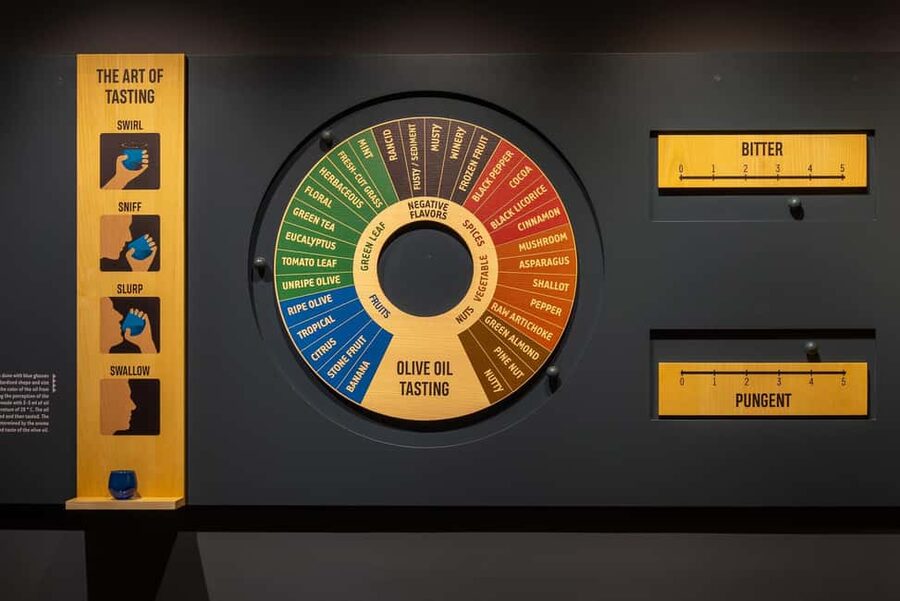
- How the workshop teaches you to recognize real extra virgin
- Tasting two extra virgin oils like a sommelier
- Sweets, the concept store, and time to explore the park
- Price and value at $18 per person
- Who should book this olive museum tour, and who might skip
- Should you book this olive museum tasting from Split?
- FAQ
- What is the meeting point for Stella Croatica?
- Is the tour offered in English?
- What is included in the $18 per person ticket?
- Do I taste olive oil during the experience?
- Are food and drinks allowed during the visit?
- Is video recording allowed?
- Is there time to explore on my own?
- Where does the activity end?
- Can I buy products at the estate?
Key highlights worth carving out time for
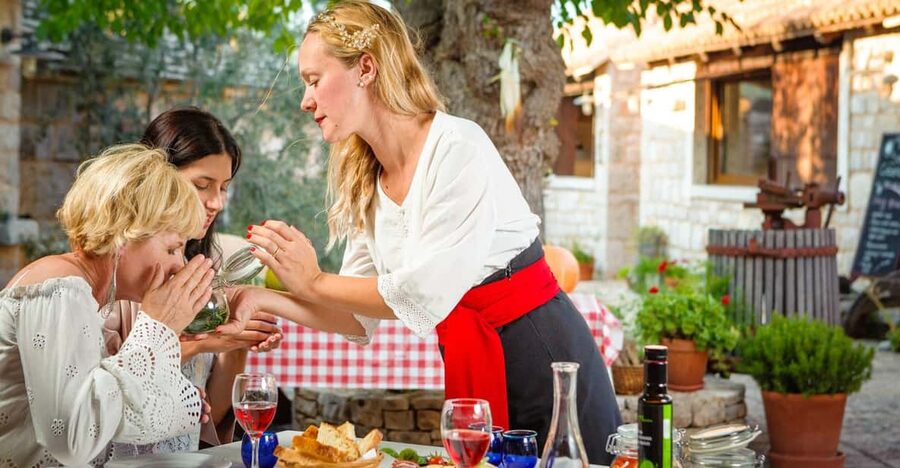
- Interactive extra virgin tasting that trains your nose and palate
- 500-species botanical collection that shows how herbs matter here
- Family-estate visit at Stella Croatica with traditional production on site
- Olive Oil Museum with an award-nominated status you can feel good about
- Two olive oils to compare, both labeled extra virgin
- Shop and free time afterward, so you can slow down if you want
Finding Stella Croatica in Klis, and what the experience gives you
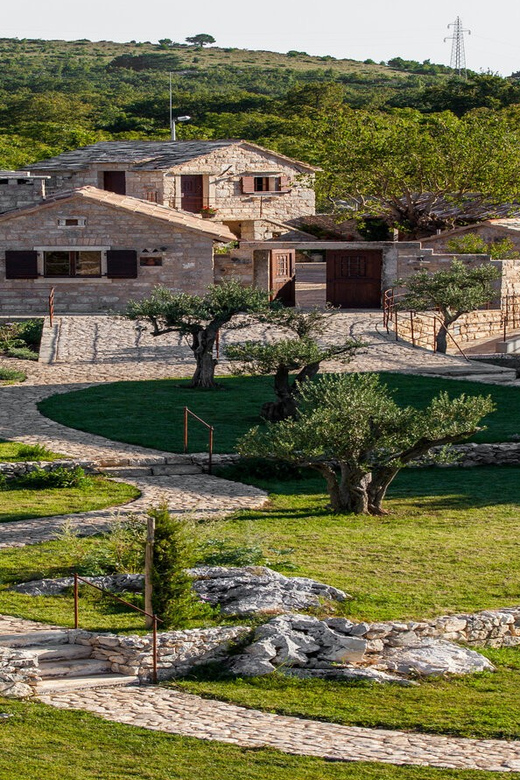
Stella Croatica is a family estate experience in Dalmatia, close enough to make a clean outing from Split territory. You follow signs from the main road, step into the main building, and wait for your host to arrive. After the tour, it ends back at the same meeting point, so you are not hunting buses afterward.
The format is refreshingly simple for $18 per person: you pay for entry plus a guided tour, and you get guided tasting, sweets, and hands-on cosmetic testing. That matters, because too many museum visits leave you with “interesting” but not “useful.” Here, you leave with a practical skill.
The tour runs in English, and the experience is built to be understandable even if you know nothing about olive oil. You are also told up front what not to do: no video recording, and food and drinks are not allowed during the visit. That keeps the space focused for the workshop part.
More Food Tours in Split
- From Split: Krka Waterfalls, Food & Wine Tasting Tour
★ 5.0 · 9,326 reviews - From Split: Krka Waterfalls, Food & Wine Tasting Tour
★ 4.9 · 6,598 reviews - Split: Blue Lagoon and 3 Island Cruise with Food and Drinks
★ 4.8 · 1,969 reviews
Fig, almond, orange, and lavender: traditional products first
The experience begins with a behind-the-scenes look at how traditional items are made and packed. You will see local ladies working on products that include figs, almonds, oranges, and lavender. It gives you a sense of how this estate thinks about plants: not just as background scenery, but as ingredients turned into everyday goods.
This opening part is more than a prelude. It sets the tone for the whole visit, since later you learn how herbs get extracted and used. If you like food culture that is grounded in real local work, this first stop hits the right note.
If you prefer only the olive oil part and nothing else, this section may feel like a warm-up. Still, it usually clicks once you understand that the olive museum is part of a broader plant-based production story.
Herb essential oils and natural cosmetics testing
Next, you move into the herb-and-cosmetics side of the estate. You learn how essential oils are extracted from typical Dalmatian herbs, and how those oils show up in natural cosmetics. It is a clever bridge between “agriculture” and “beauty products,” and it helps explain why herb knowledge is taken seriously here.
You also get testing of natural cosmetics as part of what is included. That turns the lesson from lecture to experience. Even if you are not planning to buy anything, you get to connect the scent and texture to what you just heard about.
Practical tip: if you are sensitive to strong smells, pay attention during this section. The experience includes herb and oil aromas, so plan accordingly.
The botanical collection with 500 plant species
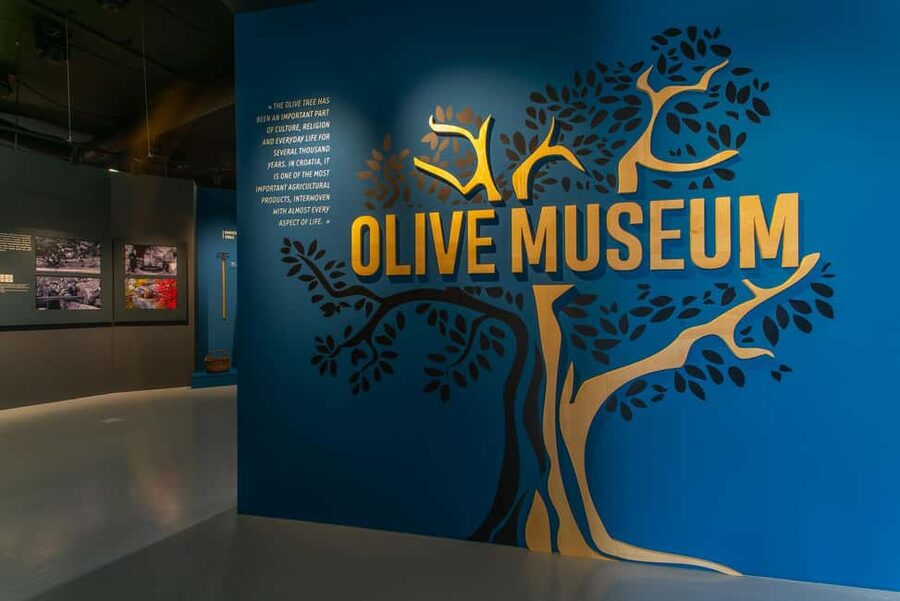
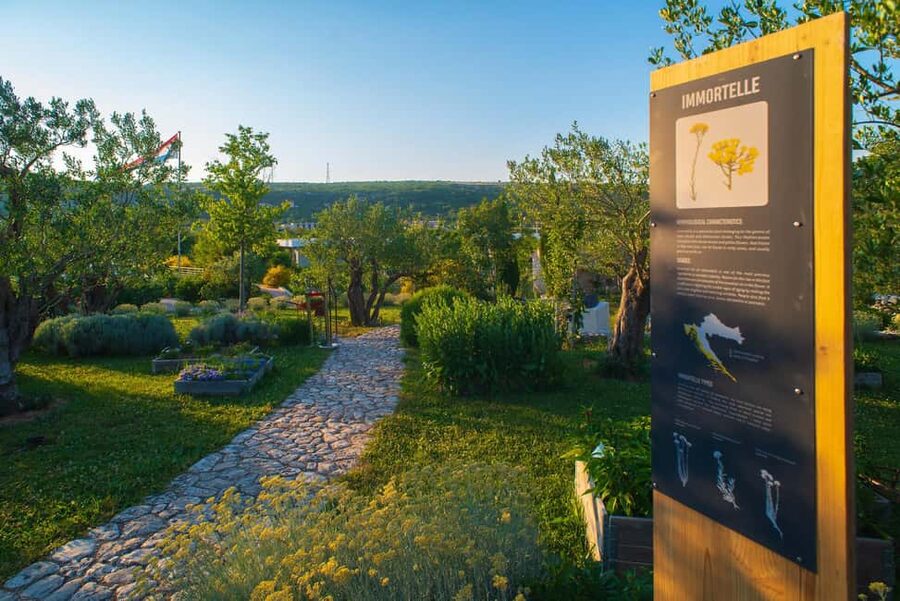
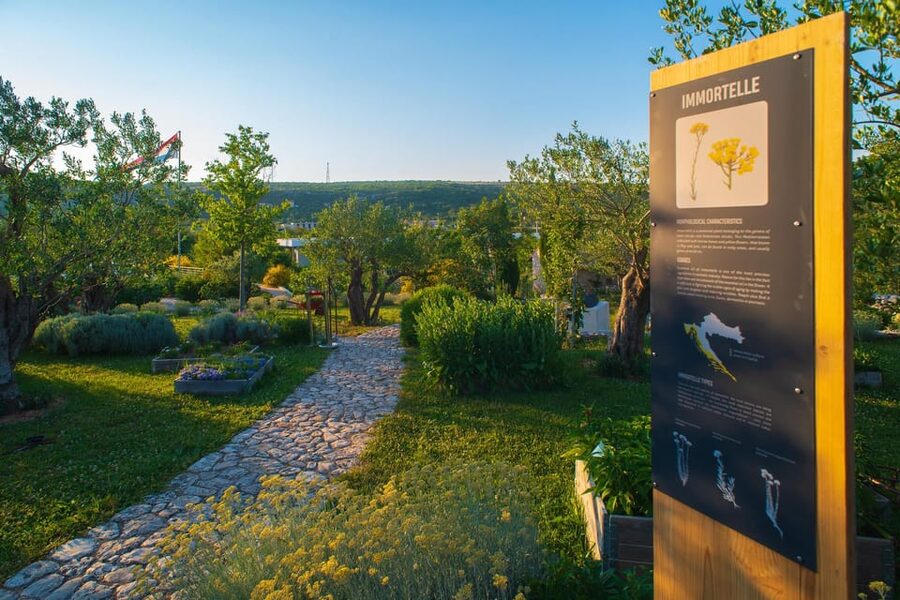
One of the reasons this visit feels different from a basic museum is the stop in the botanical collection. You walk through a garden collection with 500 species, and you learn what some of them can be used for. It is not just “plants exist here.” It is “plants have jobs here,” including herbs you can recognize from their uses in everyday products.
This is the part that families often enjoy because it turns learning into visual spotting. A child can find the plants interesting even if the details go over their head, while adults can geek out on practical uses without feeling lectured.
The tradeoff is that it is still a controlled garden experience, not a free-form hiking day. Wear comfortable shoes, since you will be moving through museum grounds and garden areas.
More Museum Tours in Split
- Blue Lagoon & Underwater Museum from Split with Lunch & Drinks
★ 4.5 · 1,122 reviews - SPLIT-PREMIUM Emperor’s Walking Tour for History Lovers + Museum
★ 5.0 · 333 reviews - Split: Klis Fortress GOT and Olive Museum Entry Tickets
★ 4.6 · 283 reviews - Split: Green Line with Open Bus to Klis & Olive Museum
★ 4.2 · 142 reviews
Inside the Olive Oil Museum: Croatian liquid gold explained
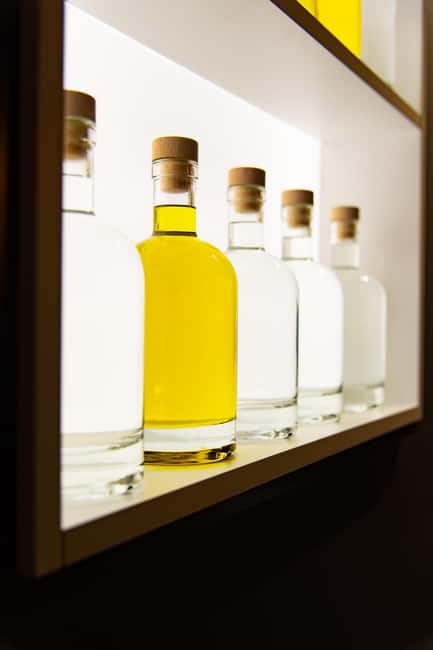
Then you enter the Olive Oil Museum, the crown jewel of the visit. The museum focuses on the idea of olive oil as liquid gold, and it explains how the crop fits into Croatian culture. It was a finalist for the European Museum of the Year Award in 2023, which helps you understand the museum is not just small-room decoration.
What I like about this museum section is the tone. It does not treat olive oil like a rare fancy-only thing. It treats it like a product you can learn to judge.
A small, fair caution: the on-site experience is not built around seeing olive trees and fields right there on the property. It is museum-led, which is exactly what the tasting workshop supports. If your top priority is a scenic olive grove walk, you may find you need a separate stop elsewhere.
How the workshop teaches you to recognize real extra virgin
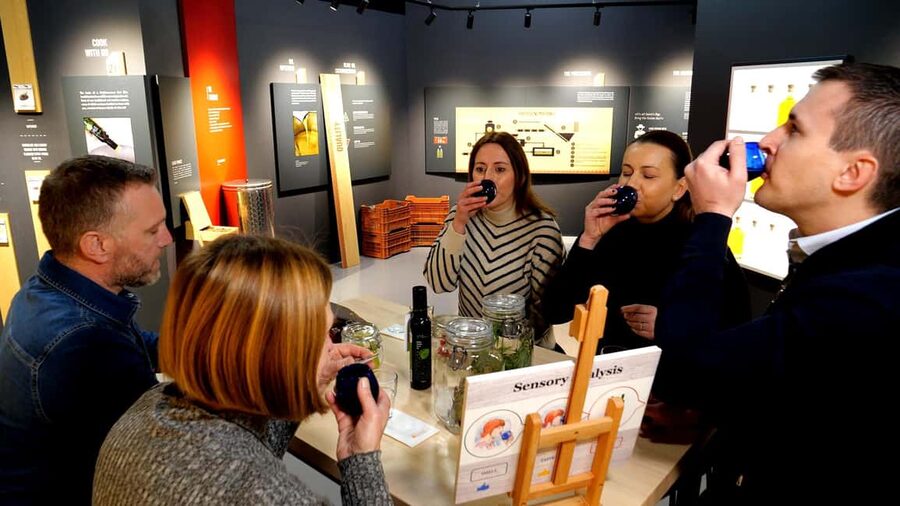
After the museum, you go to the tasting room for the part that turns curiosity into a skill. The workshop is designed as an interactive experience for learning how to recognize extra virgin olive oil. You get guidance on what to pay attention to, then you practice with two oils that are both labeled extra virgin.
This is where the experience earns its value. Olive oil tasting can sound intimidating, but the way this workshop is structured helps you start from basics. You do not need fancy equipment. You need a method and prompts, and that is what you get.
Also, this is not just about guessing which oil is “better.” The training is about recognizing quality signals, the same way professional tasters approach it. That is why the tasting section often feels memorable rather than routine.
Tasting two extra virgin oils like a sommelier
In the tasting itself, you sample two different extra virgin olive oils, with the oils clearly part of the education. You taste and compare, and you learn how good extra virgin has distinct sensory clues. The experience encourages you to sniff and taste in a guided way, so you can notice differences instead of treating it like a one-note sip.
The workshop format also works for people who are new to olive oil. If you only know olive oil as something you buy at the supermarket, this is a smart way to build real understanding quickly. Both oils being labeled extra virgin is part of the lesson, because it shows that labeling does not automatically mean equal quality.
One more practical note: the tour includes tasting sweets, but you are not allowed to bring food and drinks. So it helps to think of this day as a tasting-focused block of time, and plan your main meal outside it.
Sweets, the concept store, and time to explore the park
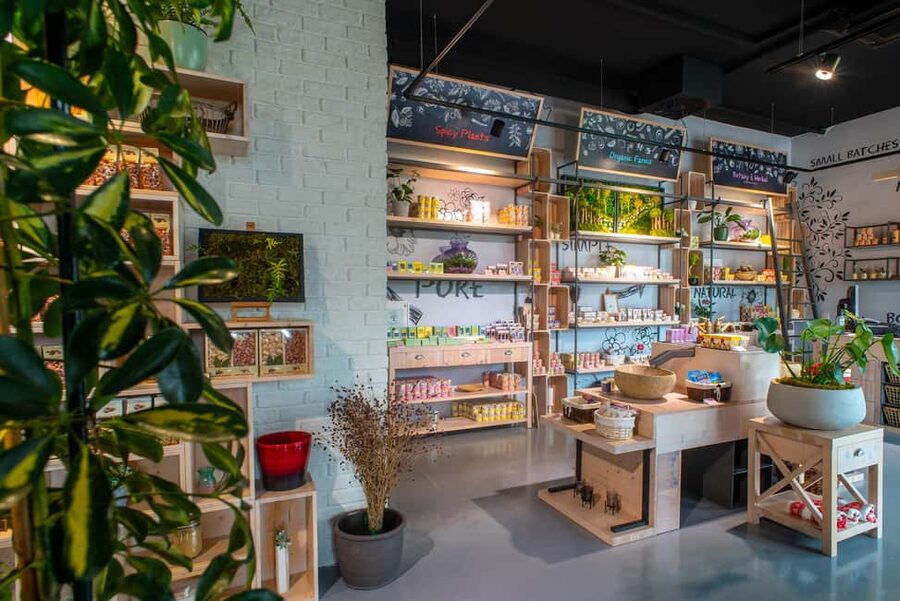
After the guided parts, you get traditional sweets as part of what is included, plus you have time to explore. The estate also has a concept store where you can taste and buy handmade products. A nice extra is that there is an option to buy items under factory prices, so you can shop without feeling like you are being treated only as a souvenir stop.
Then you follow your host’s pacing and decide what to do next with your free time. You can explore the park area and old buildings, or keep it simple and sit with the experience for a bit before lunch. This “slow down after the tour” option is genuinely helpful, especially if you want to take photos or just decompress.
If your group is split between shopping and garden-wandering, this flexibility lets everyone have a slightly different ending.
Price and value at $18 per person
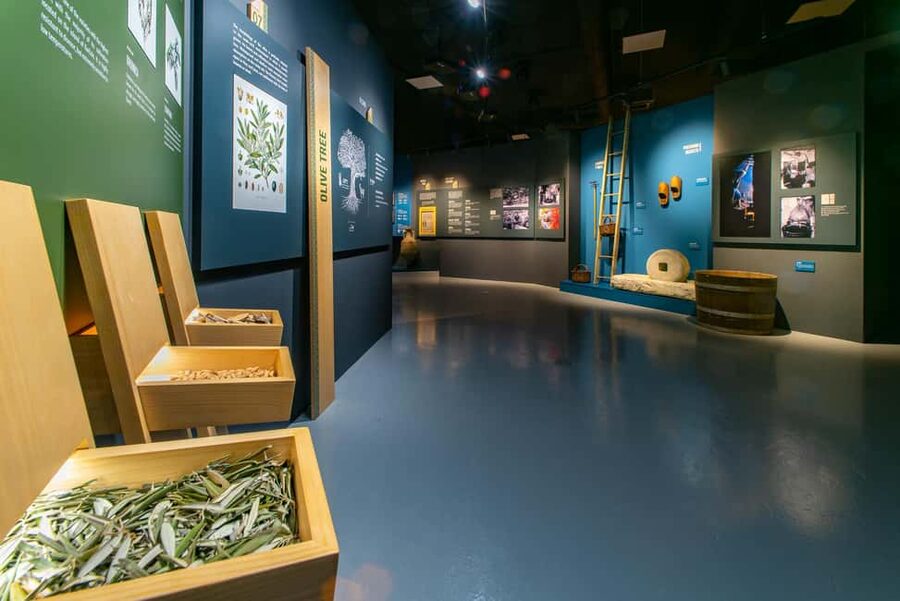
At $18 per person, the value comes from the bundle. Your ticket covers the Stella Croatica guided tour and Olive Oil Museum entry, plus tasting two oils, plus traditional sweets and cosmetic testing. You also get an educational tasting format that teaches you a skill you can use later when you buy olive oil.
This matters more than people expect. If you leave knowing nothing beyond “olive oil is nice,” the museum is entertainment, not value. Here, you are trained to recognize quality cues, and that changes how you shop.
The other value is time efficiency. The experience is short enough to fit into a day, but structured enough to feel complete. It is not a half-day maze of rooms with no connection between steps.
If you are cost sensitive, this is also a good choice because you are not paying extra for the core parts: guide, tasting, and the included samples.
Who should book this olive museum tour, and who might skip
I think this works best for people who want a practical food skill in a real Croatian setting. It is especially good if you care about tasting and quality, or if you like gardens and plant-based culture. The experience is also family-friendly, with clear explanations and a setup that can hold a kid’s interest as you move from plants to products to tasting.
It might not be the best match if your dream day is olive trees and countryside views on-site. Because this is museum and garden focused, you will spend more time learning indoors or in curated grounds than roaming actual groves.
Also, if you strongly dislike guided museum talk, go in with the right mindset. The guided portion is part of the design. The tasting segment is the payoff, so if you enjoy hands-on learning, you are likely to be happy.
Should you book this olive museum tasting from Split?
If you want to understand extra virgin olive oil instead of just tasting it, this is an easy yes. The workshop teaches you to compare two labeled extra virgin oils and notice differences like professional tasters do. Add in the botanical collection with 500 species, plus sweets and cosmetic testing, and the $18 price starts to feel fair in a way that sticks.
I would book it if you enjoy food culture that connects plants to products. I would skip it if you are chasing a scenic olive grove walk as the main event.
FAQ
What is the meeting point for Stella Croatica?
You follow the signs from the main road to reach Stella Croatica, then enter the main building and wait for your host to arrive.
Is the tour offered in English?
Yes, the experience is listed in English.
What is included in the $18 per person ticket?
The ticket includes entry to Stella Croatica and the Olive Oil Museum, a guided tour, tasting of two different olive oils, traditional sweets, and testing natural cosmetics.
Do I taste olive oil during the experience?
Yes. You taste two different olive oils in the tasting room, and both are labeled extra virgin.
Are food and drinks allowed during the visit?
No. Food and drinks are not allowed.
Is video recording allowed?
No. Video recording is not allowed.
Is there time to explore on my own?
Yes. After the tasting experience, you have free time to explore the park or have traditional lunch.
Where does the activity end?
The activity ends back at the meeting point.
Can I buy products at the estate?
Yes. There is a concept store where you can purchase traditional handmade products under factory prices.
More Food & Drink in Split
- Krka National Park Tour with tour Guide & Wine tasting from Split & Trogir
★ 5.0 · 1,625 reviews - Split/Trogir: Krka National Park Day Trip with Wine Tasting
★ 4.7 · 925 reviews - Split: Blue Lagoon, Nečujam & Maslinica with Food & Drinks
★ 4.5 · 698 reviews - Full-Day Catamaran Cruise to Hvar & Pakleni Islands with Food and free Drinks
★ 5.0 · 670 reviews
More Olive Oil Tastings in Split
- Wine, food and olive oil by PhD student
★ 5.0 · 111 reviews - Hvar: Island tour with Wine and Olive Oil Tasting
★ 4.9 · 77 reviews - Pula: House of Istrian Olive Oil Museum and Guided Tasting
★ 4.9 · 35 reviews - Olive Oil Guided Tasting and History in Pula
★ 4.5 · 34 reviews
Newest Split reviews on the site
- Split: Blue Lagoon Boat Trip with Lunch, Wine and Snorkeling★ 5.0 · 3 reviews
- Split: Guided Sunset Sea Kayaking & Snorkeling Tour★ 4.8 · 185 reviews
- Split: Sunset Guided Kayaking Tour★ 4.8 · 71 reviews
- Sunset Cruise With Music and Views of Split Riviera★ 3.6 · 10 reviews
- Step into History: Private Guided Walking Tour of Split★ 5.0 · 3 reviews
- Stand Up Paddle Tour in Split★ 4.7 · 17 reviews
- Split&Sip: Educational wine tasting★ 4.9 · 52 reviews
- Split Walking Tour with History Professor★ 5.0 · 23 reviews
Olive Oil Tastings, compared.

House of Istrian Olive Oil Museum and Guided Tasting
Read our review →
Croatia in a Day, Vistas, History, Olive Oil, Wine
Read our review →
Biking Vidova – Skrip & museum of olive oil – Splitska – Postira
Read our review →
Istrian tapestry – gourmet tour combining wine, truffles and olive oil
Read our review →
Browse the lists this tour appears in