
Review · HISTORICAL TOURS
Zagreb: Historic Walking Tour with a Local Guide
Zagreb gets easier fast. In just 2 hours, this walk gives you a clear feel for the city, from Zrinjevac park to Gradec and the Cathedral. I like that it mixes medieval landmarks with how people live today, so you are not stuck with dates only. The tour also includes a funicular ride, which means you save energy and get the best change of view.
Two things I really like: first, the route is built for orientation. You start at the park, move to Ban Jelačić Square, go up to Gradec, then come back down through the streets locals actually use. Second, the guides are praised for making Zagreb personal, not textbook, with strong history and practical tips. In several past groups, a guide named Dorotea (also spelled Dorothea in one review) was singled out for sharing how Zagreb works day to day, plus helpful food and drink suggestions.
One drawback to plan for: it is a walking tour and it is not suitable for wheelchair users. If mobility is limited, you may want to choose a shorter or more accessible option.
In This Review
- Key takeaways before you go
- Where the tour starts: Zrinjevac and the My happy walk pavilion
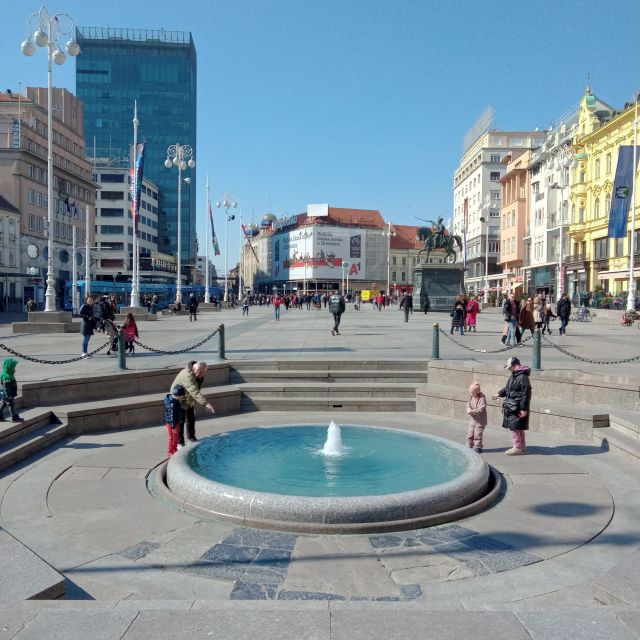
- Ban Jelačić Square: the name of Zagreb and the origin story
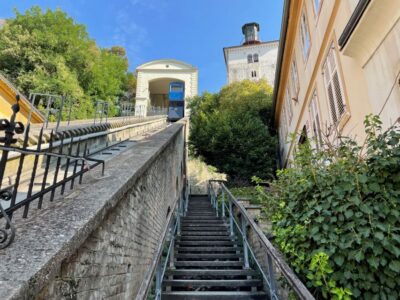
- Up Ilica to the funicular: the quick lift to Gradec
- Gradec’s medieval streets: the oldest pharmacy stop
- Stone Gate and the chapel inside: protection, patron saint, and medieval worry
- Radićeva down to Tkalčićeva via Bloody Bridge
- Opatovina Park to Dolac market: seeing Zagreb at work in the morning
- The Cathedral: Zagreb’s famous symbol and its turbulent past
- Price and practical value: what you get for $35
- Who this tour is best for (and who should skip it)
- Should you book this Zagreb walking tour?
- FAQ
- How long is the Zagreb historic walking tour?
- Where do I meet the guide?
- What is included in the tour price?
- Is the tour suitable for wheelchair users?
- What languages is the tour offered in?
- Does the tour include museum or gallery visits?
- What happens at the end of the tour?
Key takeaways before you go
- Shortest funicular ride included, so you get the best grade change without figuring it out on your own
- Upper City loop through Gradec, with medieval stories tied to the places you walk past
- Stone Gate moment, including why a chapel is inside and what that meant for Zagreb’s protection
- Bloody Bridge stop on the way to Tkalčićeva, with the symbolic-name explanation
- Dolac market timing matters, since the green market is open in the morning
- Small group size (up to 6) keeps the pace friendly and the questions actually get answered
Where the tour starts: Zrinjevac and the My happy walk pavilion
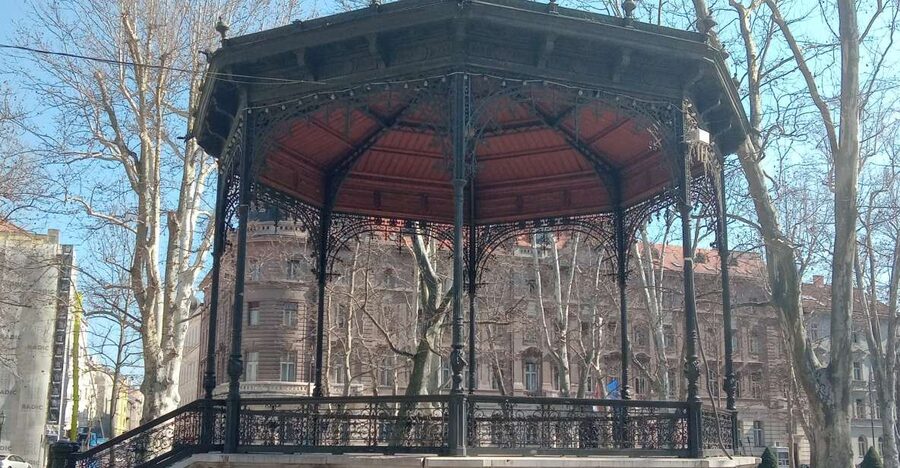
The meeting point is in Park Zrinjevac, which is a great way to begin because it feels like Zagreb’s “welcome mat.” Look for the Music Pavilion at the center of the park. Your guide stands at the pavilion with the inscription My happy walk, so it is hard to miss once you are there.
This start location matters because it sets a relaxed rhythm. Instead of meeting at a busy station or a random corner, you begin in a calm, historic park and then move outward into the city. You can get your bearings quickly, which is a big deal on a compact 2-hour tour.
And yes, the group stays small. Limited to 6 participants means the guide can keep things moving without turning it into a rushed herd.
More History Tours in Zagreb
- Zagreb: City & History Walking Tour & WW2 Tunnels
★ 4.9 · 1,202 reviews - Authentic Croatian Food & Heritage Walk in a Small Group
★ 5.0 · 36 reviews - Sites & Bites Private Food and History Tour of Zagreb
★ 5.0 · 35 reviews
Ban Jelačić Square: the name of Zagreb and the origin story
From Zrinjevac, the route heads to Ban Jelačić Square. This is where the guide typically gives you the origin story of Zagreb and explains how the city got its name. It is a helpful anchor, because later stops like Gradec and the Stone Gate make more sense when you already understand the city’s “why.”
What I like about this setup is that you are not just seeing famous spots in sequence. You are getting a framework for how Zagreb formed over centuries, and then the walk shows you the evidence of that formation. It is the kind of context that makes the rest of the city feel less random.
Up Ilica to the funicular: the quick lift to Gradec
Next comes Ilica to the funicular. This is one of the tour’s clear value adds, because the ticket for the funicular is included. The highlight here is taking the shortest funicular ride, then landing in Gradec, one of Zagreb’s medieval settlements.
Why this matters: Gradec is higher and historically separate in feel. The funicular helps you get up efficiently, and the moment you reach the medieval area, the tour’s tone shifts. You start seeing Zagreb as layered, with different eras sitting side by side.
So even if you are visiting Zagreb for the first time, this is a smart “orientation move.” You get the elevation and the historical transition without burning time or energy.
Gradec’s medieval streets: the oldest pharmacy stop
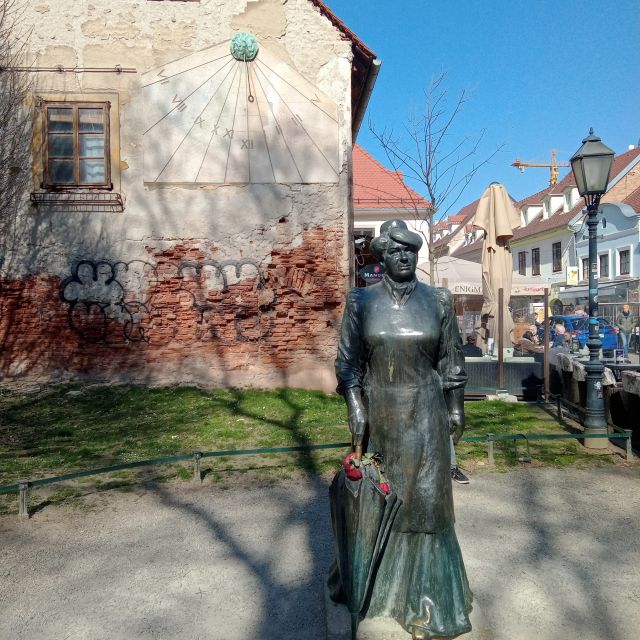
Once you are in the upper area, you stroll through the streets of the Upper City. The guide focuses on how Zagreb developed over time, but in a way that connects the stories to what you can still see today.
A standout stop is the oldest pharmacy in Zagreb. The guide talks about Middle Ages treatment methods and how medicines were prepared. That is not just trivia. It helps you picture daily life long ago, where health care, ingredients, and practical knowledge were all tied to local places and routines.
This part of the tour is also where the “licensed local guide” credential shows up. You are not just hearing a list of sights. You are hearing interpretations that fit the street-level details.
More Walking Tours in Zagreb
- Zagreb: City and WWII Tunnels Walking Tour
★ 4.9 · 1,230 reviews - Walking tour of Zagreb
★ 5.0 · 383 reviews - Zagreb Small Group Guided Walking Tour with WW2 Tunnels
★ 5.0 · 380 reviews - Zagreb: Restaurants, Food & Old Town Walking Tour
★ 5.0 · 191 reviews
Stone Gate and the chapel inside: protection, patron saint, and medieval worry
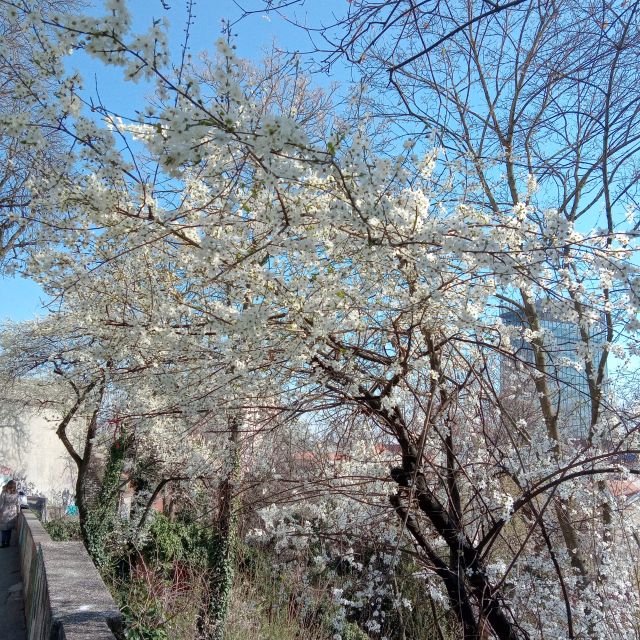
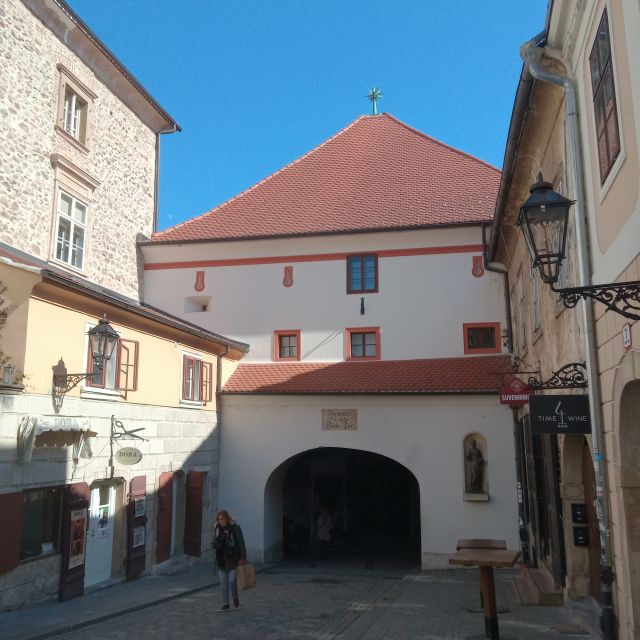
You exit the Upper Town through the only preserved gate: the Stone Gate. This is a great stop for first-timers because it is physical, specific, and historically loaded.
The guide explains:
- why there is a chapel inside the door
- the patron saint of the city of Zagreb
- why the inhabitants of Gradec needed protection in medieval times
If you have ever wondered why old cities look the way they do, this answers it in plain terms. Gates existed for a reason, and chapels inside gates were not decoration. They were tied to safety, belief, and community identity.
It is also a cool moment to slow down and look at the structure itself. The tour gives you the story, and then the place does the rest.
Radićeva down to Tkalčićeva via Bloody Bridge
After the Stone Gate, the tour shifts from upper-city history to lower-city everyday Zagreb.
You descend Radićeva Street, then enter Tkalčićeva Street via a small connector called Bloody Bridge. The guide explains why this little street has such a symbolic name. It is exactly the type of detail that makes walking tours worth it, because you would usually pass it without understanding why it matters.
Then you walk along Zagreb’s most famous and busiest pedestrian street. This is the part of the tour that helps you get a feeling for daily life now, not just “then.” The guide talks about the way people live today, which is the best bridge between the historic upper area and the city’s current rhythm.
One practical note: because this section is the busiest pedestrian area, it can feel crowded at times. If you are sensitive to crowds, keep a steady pace and let the guide set the stops.
Opatovina Park to Dolac market: seeing Zagreb at work in the morning
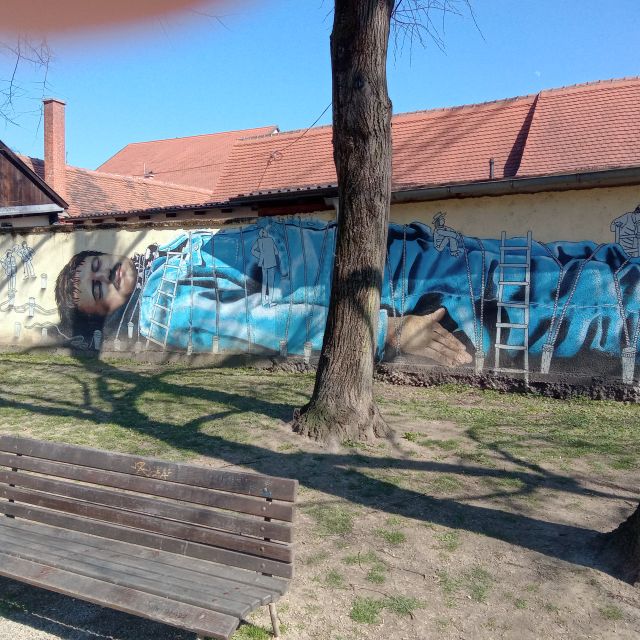
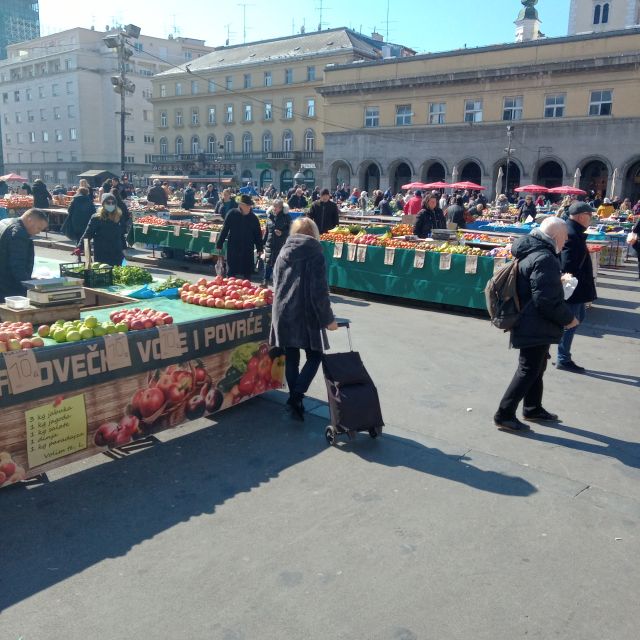
Next you walk through Opatovina Park to the green market Dolac. Dolac is open during the morning, and that timing is part of the experience. The guide brings the market into focus as one of Zagreb’s most recognizable symbols, and you get to be part of the hustle and bustle right there in the middle of the city.
This is not a museum stop. It is “real life” time. You see how the market functions as a social and shopping hub, which fits the tour’s theme of history plus present-day living.
Because food and drinks are not included, I suggest you treat Dolac as a chance to sample at your own pace. Even if you skip snacks, watching how the market moves can still be a highlight.
The Cathedral: Zagreb’s famous symbol and its turbulent past
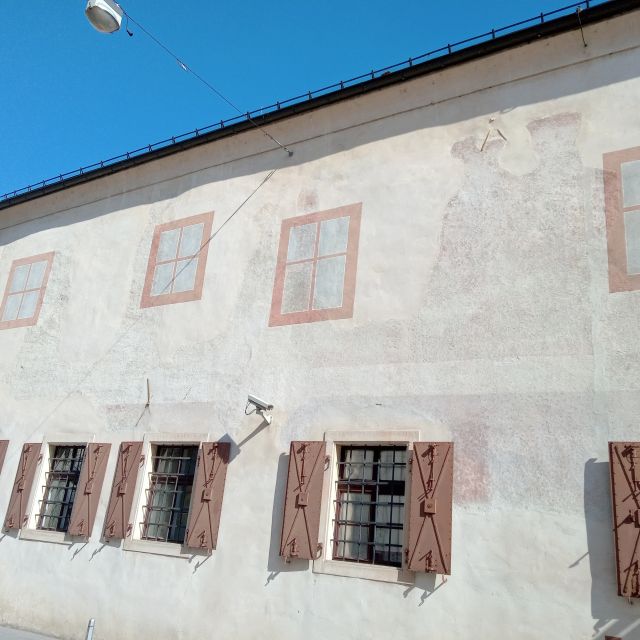
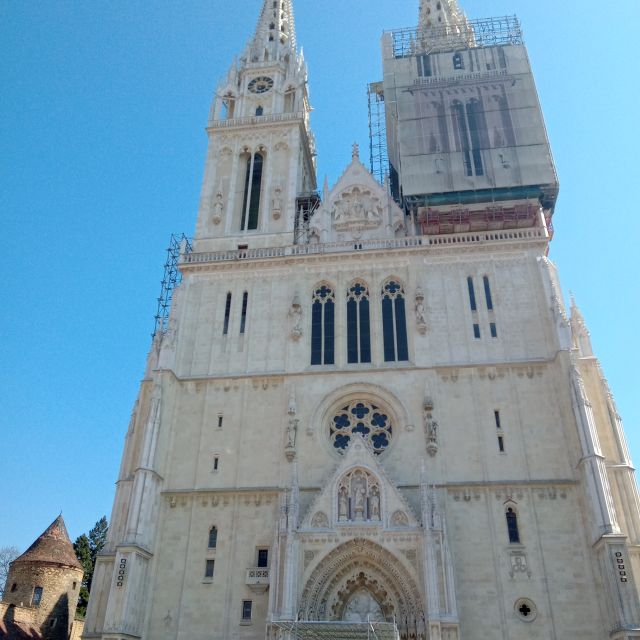
From Dolac, the walk continues to the Cathedral, described by the guide as the city’s most famous symbol. The guide shares the most interesting facts from its turbulent history.
This stop is valuable because it gives you a big historical storyline in a single setting. When you have walked through medieval streets and protective gates just minutes earlier, the Cathedral feels less like a random photo spot and more like a centerpiece of Zagreb’s survival and change.
Try to look up when you reach it. The tour’s timing helps you arrive with momentum, so you can take in the scale without feeling like you are rushing through it.
Price and practical value: what you get for $35
At $35 per person for a 2-hour small-group walking tour, the value comes from three practical elements:
- You get a funicular ticket included, so you are not paying extra to access the Gradec transition.
- The group is limited to 6 participants, which usually translates into a smoother pace and a more personal experience.
- The tour blends major landmarks with “how Zagreb lives now” stories, plus practical guide tips that can save you time later.
If you are trying to decide between doing a self-guided loop and booking a guide, this tour is a strong middle path. You still get to walk the city on your own terms, but you avoid the hard part, which is sorting out which streets and symbols matter and why.
What you should plan for: the tour does not include museum visits, and food and drinks are not included. If you want to eat during or after, plan a stop after the tour ends.
Who this tour is best for (and who should skip it)
This tour fits best if you want:
- a fast first overview of Zagreb
- a guided link between old places and modern life
- a short funicular add-on without extra planning
- history explained through specific stops, like the Stone Gate and the oldest pharmacy
It is also ideal if you like a guide who talks like a local. Past participants highlighted guides like Dorotea for being friendly, helpful, and tuned into how Zagreb works, including food and drink recommendations.
Skip it or rethink if:
- you need wheelchair access, because the tour is not suitable for wheelchair users
- you dislike walking for 2 hours, since this is a walking-based experience
Should you book this Zagreb walking tour?
I think you should book it if you want a smart first pass through the city without overcommitting. The route hits the essentials, the funicular is included, and the guide adds context that makes Zagreb feel connected instead of a pile of landmarks.
If you are the type who enjoys street-level details, symbolic names like Bloody Bridge, and real places like Dolac, this tour is a strong fit. Just remember it is walking heavy, and it is morning-dependent for the Dolac market piece.
Overall, this is one of those small investments that pays back fast, because it helps you understand Zagreb enough to enjoy the rest of your time there.
FAQ
How long is the Zagreb historic walking tour?
The tour lasts 2 hours.
Where do I meet the guide?
You meet in Park Zrinjevac at the Music Pavilion. The guide stands in the pavilion with the inscription My happy walk.
What is included in the tour price?
It includes a walking tour, a professional licensed local guide, and a ticket for the funicular.
Is the tour suitable for wheelchair users?
No, it is not suitable for wheelchair users.
What languages is the tour offered in?
The live tour guide speaks English and Croatian.
Does the tour include museum or gallery visits?
No, visits to museums and galleries are not included.
What happens at the end of the tour?
The tour ends at Ban Jelačić Square, where you say goodbye to your guide.
More Historical Tours in Zagreb
- Dubrovnik Old Town History Walking Tour
★ 5.0 · 1,684 reviews - Walking Tour of Split with a ‘Magister’ of History
★ 5.0 · 1,122 reviews - Split Walking Tour with Professor of History
★ 5.0 · 926 reviews - Split: History and Heritage Walking Tour
★ 4.9 · 650 reviews
Newest Zagreb reviews on the site
- Toast to the Morning After: Zagreb Museum of Hangovers Visit★ 4.0 · 39 reviews
- From Split: Transfer to Zagreb with Stop at Plitvice Lakes★ 4.6 · 44 reviews
- Private Walking Tour of Zagreb★ 4.9 · 5 reviews
- From Zagreb: Ljubljana, Postojna Cave & Predjama Castle Tour★ 4.9 · 71 reviews
- Jump into Zagreb: Walking Tour with local guide★ 4.8 · 3 reviews
- From Zagreb: Varazdin Baroque Town & Trakoscan Castle★ 4.9 · 38 reviews
- From Zagreb to Plitvice Lakes and Rastoke – Private day tour★ 5.0 · 4 reviews
- From Zagreb: Plitvice Lakes National Park Full-Day Tour★ 4.7 · 98 reviews
Historical Tours, compared.
Walking Tour of Split with a ‘Magister’ of History
Read our review →

Split History and Gastro Small-Group Tour with Food and Drinks
Read our review →Browse the lists this tour appears in