
Review · HISTORICAL TOURS
Split: Private Walking Tour in the Historical Town Center
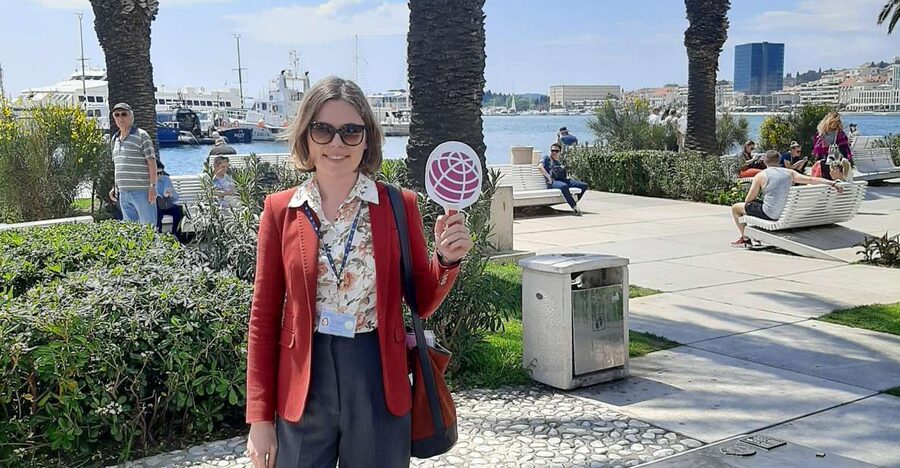
Split tells its story through stone and streets. This private walking tour turns the old town into a clear route you can actually follow, starting on the Riva promenade and ending back by the water, with Sanja setting the pace and explaining what you are looking at. I love how it gives you the why behind the sights, not just the what, so you leave Split feeling oriented.
My second favorite part is the way you see the palace as a living city, not a museum. You move from the 4th-century core and its medieval neighborhood mix, into the Peristil and the big church sites, then out into the medieval streets where later rulers left their fingerprints.
One consideration: the Palace Substructures (Basements) have an entrance fee, and that extra cost is not included in the tour price.
In This Review
- Key Highlights That Make This Tour Worth It
- Where the Tour Starts: Riva Promenade, Bronze Model, and Fast Orientation
- Diocletian’s Palace: The 4th-Century Core and a City Inside It
- A quick practical note
- Peristil: The Palace Courtyard That Sets the Tone
- St. Domnius Cathedral and Jupiter’s Temple/Baptistery: Big Faith, Old Power
- Golden Gate and People’s Square: Reading the City Like a Map
- The Substructures (Basements) Stop: Worth the Ticket, If You Like Depth
- The Palace Walls and Gates: Short Stops With Long Payoff
- The Jewish Ghetto Area and an Active Synagogue
- Medieval Split Outside the Palace: Pjaca, Fruit Square, Prokurative, and the Rulers Who Shaped Them
- What to look for as you walk these squares
- Pjaca to the Fruit Square to Prokurative: How the City Changes Its Voice
- Ending at Riva: Finish With Sea Air, Not a Traffic Jam
- Languages and Guide Style: Why Sanja’s Explanations Land
- Price and Value for a Private 105 Minute Walk
- Who Should Book This Tour (And Who Might Look Elsewhere)
- Should You Book Split: Private Walking Tour in the Historical Town Center?
- FAQ
- Where is the meeting point?
- How long is the private walking tour?
- Is this a private tour?
- What languages are available?
- Are entrance fees included?
- What are the main sights included?
- Is the tour refundable if plans change?
Key Highlights That Make This Tour Worth It
- Private time with Sanja, plus plenty of room for questions
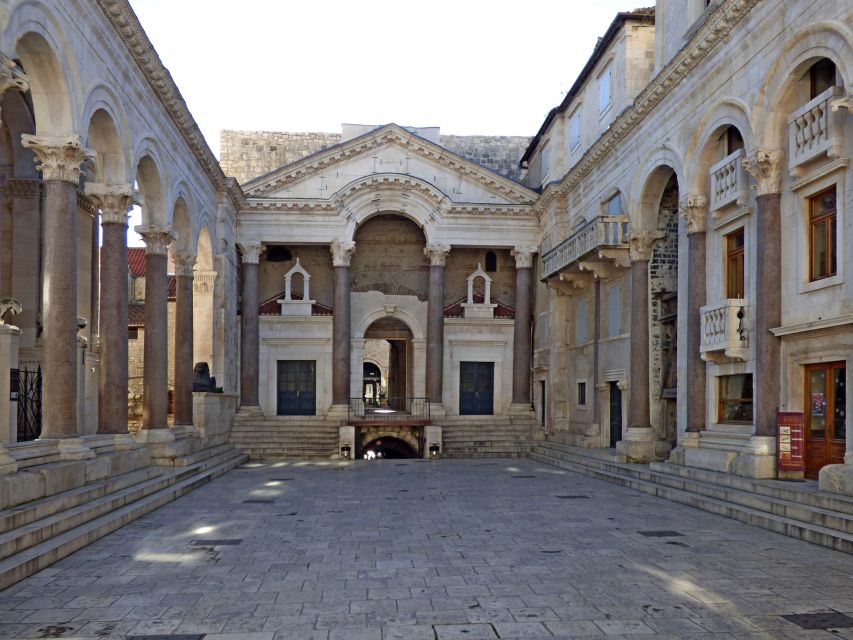
- Diocletian’s Palace, inside the walls and at the basement level (paid entrance for Substructures)
- Major monuments in one loop, including St. Domnius Cathedral and Jupiter’s Temple area (external)
- The medieval city outside the palace, with squares like Pjaca, Fruit Square, and Prokurative
- Guidance for your next wander, so you know where to go after the tour
Where the Tour Starts: Riva Promenade, Bronze Model, and Fast Orientation
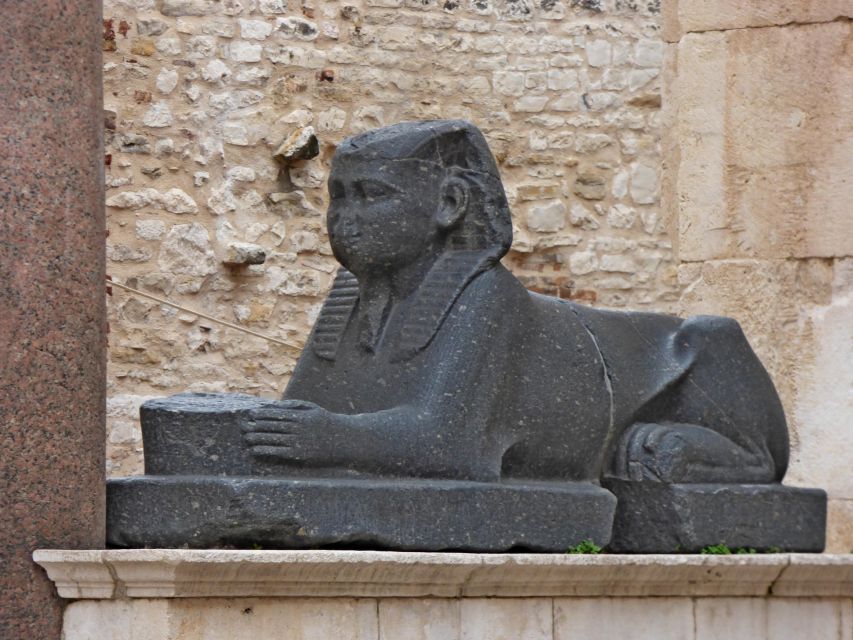
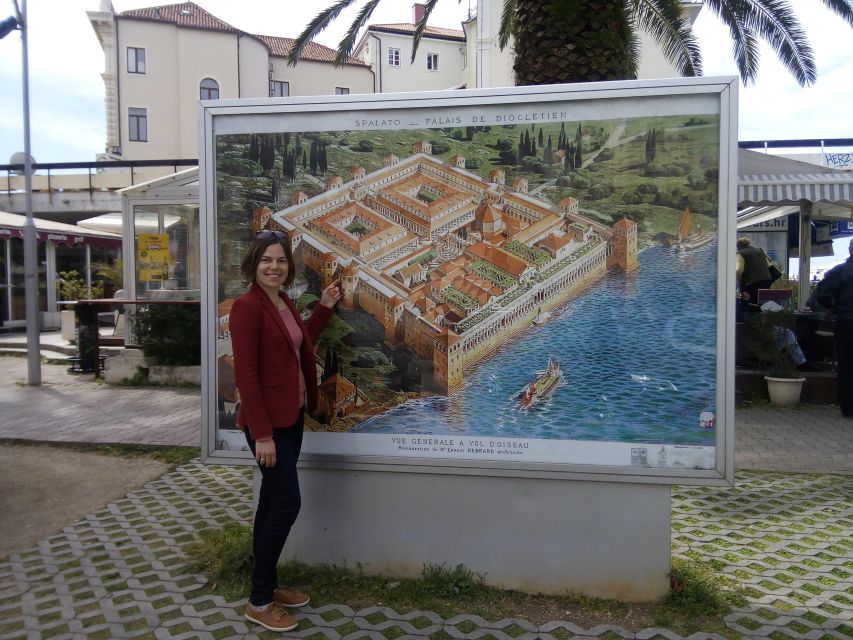
Your tour begins on the Riva promenade by the sea, at the bronze model of Split’s historical core. It is right where you want to be, because Riva is Split’s living front porch, and you can feel the city’s energy even before you step into the maze of old streets.
This matters more than it sounds. Split’s center can feel like it was designed by someone who hated straight lines. Starting at the bronze model helps you build a mental map right away. You are not just walking from one postcard to the next. You are getting the structure of the city, so later, when you turn a corner on your own, it makes sense.
More History Tours in Split
- Walking Tour of Split with a ‘Magister’ of History
★ 5.0 · 1,122 reviews - Split Walking Tour with Professor of History
★ 5.0 · 926 reviews - Split: History and Heritage Walking Tour
★ 4.9 · 650 reviews
Diocletian’s Palace: The 4th-Century Core and a City Inside It
The first big stop is Diocletian’s Palace, including the oldest part of Split. You start with a guided walk through the palace area for about half an hour, then continue from there through the main courtyard and surrounding points.
What makes this palace stop special is the mix of eras you encounter in a small space. You get the 4th-century logic of the imperial complex, then you see the smaller medieval neighborhood that developed inside it. That blend is exactly what makes Split feel different from other Mediterranean “old towns.” The buildings are not frozen in time. People shaped them over centuries.
As you walk, your guide connects the architecture to real life: where authority sat, where community grew, and how later rules changed the city’s rhythm. One of the best parts here is that you are not only looking at stone. You are learning how the palace created the stage for everything that came after.
A quick practical note
Expect uneven walking surfaces as you move through historic streets and palace corridors. This is not a stroller-friendly layout, and it is not built for wheelchairs either. If that affects you, plan for a different pace or choose a different type of tour.
Peristil: The Palace Courtyard That Sets the Tone
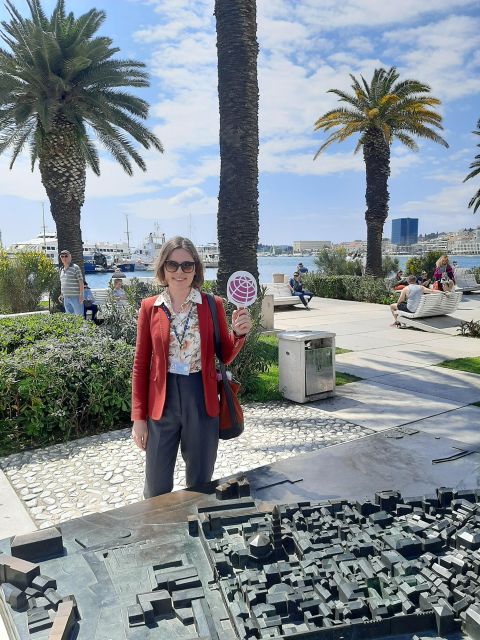
From the palace area, the tour moves to the Peristil, the main courtyard. Plan on about 10 minutes here, focused and to the point.
Peristil is where the palace feels most “complete.” It gives you the palace geometry in a way that makes the rest easier to understand. You can stand back for a minute, take in the layout, and realize that the city grew around an original plan that was meant to impress.
This is a good stop to slow down. Even if you are a fast walker, give yourself a few seconds to look at how the space is shaped. Your guide’s explanation helps, but the space does half the teaching for you.
More Walking Tours in Split
- Split: Old Town and Diocletian Palace Walking Tour
★ 4.9 · 4,727 reviews - Walking Tour of Split and Diocletian’s Palace
★ 5.0 · 2,588 reviews - Krka Waterfalls tour with Trogir Walking tour and Krka panoramic boat cruise
★ 5.0 · 1,659 reviews - Split & Diocletian’s Palace Walking Tour
★ 5.0 · 1,125 reviews
St. Domnius Cathedral and Jupiter’s Temple/Baptistery: Big Faith, Old Power
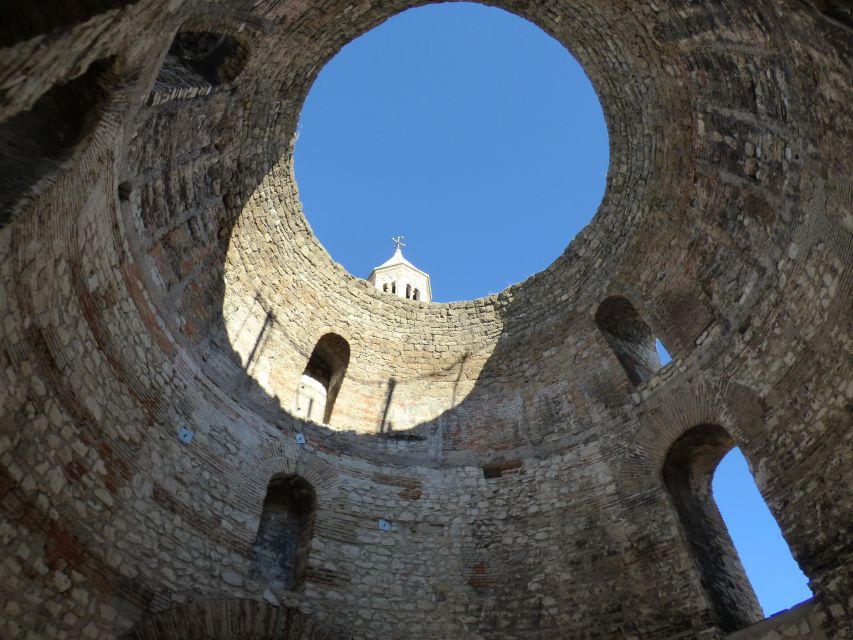
Next come the religious landmarks, starting with St. Domnius Cathedral (about 10 minutes). You will get a guided look and a pass-by moment, plus context that links the site to the city’s changing story.
Then you will turn to the area of Jupiter’s Temple / Baptistery. This is an external visit, no entrance fee for this part, and it works well because it keeps the tour moving without forcing you to buy another ticket immediately.
Why these two fit so well into a 105-minute tour: they help you see how Split’s center evolved from imperial presence into spiritual importance. The names and uses changed, but the stone stayed. That continuity is one of the most satisfying things about walking this town.
In the same loop, you also pass key palace walls and the famous gates. These details matter because the gates and fortification lines explain how the palace related to the streets beyond it.
Golden Gate and People’s Square: Reading the City Like a Map
You continue with more guided points inside the palace wall network, including the Golden Gate, then later the tour heads toward People’s Square.
Golden Gate is one of those spots where it is easy to just look up and think, nice view. A good guide changes that. You learn what the gate meant in terms of movement and control. It becomes less about a photo and more about understanding why certain lines of travel existed.
People’s Square is a different feeling. It is more public, more open. The guide’s job here is to help you connect how the palace order gave way to civic life, and how later rulers shaped everyday space.
The Substructures (Basements) Stop: Worth the Ticket, If You Like Depth
This tour includes the Substructures of Diocletian’s Palace, also called the Basements. The entry fee is not included, so you will pay at the entrance if you choose to go in as part of the route.
Is it worth it? If you like architectural “under the surface” stories, yes. The Substructures add a layer that normal walking tours often skip. From up top, the palace looks monumental. Down below, you get a sense of function and engineering: where movement happened, where the palace’s inner machinery lived, and how the space supported the life of the complex.
The best part is that it does not feel like random extra time. It supports everything you saw above, so the whole tour clicks into place. It is also where many guides manage to impress, and Sanja is known for taking people through the basement area and then walking you through the town with a clear sense of direction, so you can explore afterward without getting lost.
The Palace Walls and Gates: Short Stops With Long Payoff
Between the major sights, you will also spend time at the palace walls with four gates. You are not stuck standing around. These stops are short, but they help you “read” Split.
Gates are like punctuation marks in city planning. They show where access changed, where movement funneled, and where power intersected with daily life. Once you understand that, the rest of your walk makes more sense.
The Jewish Ghetto Area and an Active Synagogue
One of the more moving parts of the tour is the small area that served as a former Jewish ghetto, including a synagogue that is still active. Even if you only see it briefly, it adds real human texture to the story you are building.
This part of the walk is valuable because it prevents Split from becoming only an architectural timeline. You remember that communities lived here, worshiped here, and changed over time. The guide’s framing helps you notice how the city’s political shifts affected neighborhoods, not just monuments.
Medieval Split Outside the Palace: Pjaca, Fruit Square, Prokurative, and the Rulers Who Shaped Them
After the palace core, the tour moves into the medieval neighborhood built outside the palace. This is the second half, with about 1:45 total tour time, so you still stay efficient without feeling rushed.
Here you cover key squares: Pjaca, Fruit Square, and Prokurative. These are not just pretty plazas. They are the city’s political and social stages, shaped by successive powers.
As you walk, you learn about the socio-political lifestyle under Venetian, French, Austro-Hungarian, and Yugoslavian rule. That sweep is impressive in a compact format, and it is also practical. When you later read signs, notice building styles, or overhear local references, you will understand why certain things look the way they do.
What to look for as you walk these squares
Even without becoming an architectural expert, you can start spotting patterns. Stone and street layouts often echo who controlled the city and what that control demanded. Your guide’s explanations help you connect details to time periods, so these squares become “chapters,” not just stops.
Pjaca to the Fruit Square to Prokurative: How the City Changes Its Voice
Each square has its own mood, and the differences help you avoid the feeling of repetition.
- At Pjaca, you feel the civic heartbeat, the public space role of the medieval city.
- Fruit Square gives you a more market-adjacent perspective, a place tied to everyday needs rather than only ceremony.
- Prokurative feels more structured, like a stage where authority and public life made agreements in stone.
Because the tour is private, you can linger if something catches your eye, then move on without losing the overall flow. That is one of the hidden benefits of a private format: you control the “blink rate.”
Ending at Riva: Finish With Sea Air, Not a Traffic Jam
You wrap up back at the Riva promenade by the sea. This is smart planning. Ending where the city feels open gives you a clean landing after tight streets and palace corridors.
If you are continuing your day, this is also a convenient moment to decide what you want next. Your guide’s approach is designed to help you leave with tips for exploring on your own, so you do not have to rely on random wandering.
Languages and Guide Style: Why Sanja’s Explanations Land
This tour is led by a professional licensed local guide with a Master’s degree. The main thing you will notice is clarity and good pacing. English, Italian, French, and Spanish are offered, depending on the guide and availability.
From the experiences shared by past clients, Sanja stands out for excellent French when that is the language of the group, and she also answers questions in a way that connects culture, not just facts. One review also described her taking people to the basement and then orienting them around the town to all points of the compass. That kind of steering is exactly what helps you explore after the tour, especially if you are only in Split for a short time.
Price and Value for a Private 105 Minute Walk
The price is $153 per group, up to 15 people, for a 105-minute tour.
At first glance, a tour price can feel high. But the value comes from the format. This is private, which means you get a guided flow through multiple major sights without sharing listening time with strangers. You also get guidance that helps you revisit the same area later with better understanding, instead of treating Split like a checklist.
Also, most of what you see is included as a guided visit. The only notable extra cost you should expect is the entrance fee for the Substructures. So your money is mostly going to the guide’s time and interpretation, which is where walking tours either click or fall flat.
If you can get a small group together, this feels like a strong use of your first day, because it sets the stage for the rest of your stay.
Who Should Book This Tour (And Who Might Look Elsewhere)
This tour is a great fit if:
- You want a structured route through Split’s biggest highlights
- You like understanding why buildings look the way they do
- You want a guide who can answer questions and give you ideas for what to do next
- You are short on time and want to cover a lot without running on pure adrenaline
You might look elsewhere if:
- You need wheelchair accessibility, since it is not suitable for wheelchair users
- You strongly prefer tours that minimize walking through uneven historic streets
- You dislike paying extra for at least one paid entrance (the Substructures)
Should You Book Split: Private Walking Tour in the Historical Town Center?
I think this one is worth booking if it matches your style. You get a tight, well-planned loop through Diocletian’s Palace, the key monuments around it, then the medieval squares outside the palace, with an ending that puts you back on the sea-facing promenade.
The main reason to book is practical: you will walk away with a mental map and context, especially thanks to Sanja’s strong guiding and the way the tour connects the palace core to the rest of Split. Just budget for the Substructures entrance fee, and you will be set.
If it is your first full day in Split, this is the kind of tour that makes the rest of your trip easier, not harder.
FAQ
Where is the meeting point?
You meet on the Riva promenade by the sea, at the bronze model of the historical core of the city. It is in front of the south entrance to Diocletian’s Palace.
How long is the private walking tour?
The tour duration is 105 minutes.
Is this a private tour?
Yes. The tour is private for your group.
What languages are available?
The live guide language options are English, Italian, French, and Spanish.
Are entrance fees included?
Entrance fees are not included for Diocletian’s Palace Substructures (Basements). Some sights are described as external visits, which do not require an entrance fee.
What are the main sights included?
You will visit Diocletian’s Palace, the Peristil, St. Domnius Cathedral, the Jupiter’s Temple/Baptistery area (external), the palace walls with gates, and the medieval neighborhood outside the palace, including squares such as Pjaca, Fruit Square, and Prokurative, with the tour ending on the Riva promenade.
Is the tour refundable if plans change?
Yes. You can cancel up to 24 hours in advance for a full refund.
More Historical Tours in Split
- Split History and Gastro Small-Group Tour with Food and Drinks
★ 5.0 · 375 reviews - SPLIT-PREMIUM Emperor’s Walking Tour for History Lovers + Museum
★ 5.0 · 333 reviews - Split: Local History and Culture 90-Minute Walking Tour
★ 5.0 · 194 reviews - Split: Historical & Gastro Treasures Tour with Green Market
★ 4.9 · 144 reviews
Newest Split reviews on the site
- Split: Blue Lagoon Boat Trip with Lunch, Wine and Snorkeling★ 5.0 · 3 reviews
- Split: Guided Sunset Sea Kayaking & Snorkeling Tour★ 4.8 · 185 reviews
- Split: Sunset Guided Kayaking Tour★ 4.8 · 71 reviews
- Sunset Cruise With Music and Views of Split Riviera★ 3.6 · 10 reviews
- Step into History: Private Guided Walking Tour of Split★ 5.0 · 3 reviews
- Stand Up Paddle Tour in Split★ 4.7 · 17 reviews
- Split&Sip: Educational wine tasting★ 4.9 · 52 reviews
- Split Walking Tour with History Professor★ 5.0 · 23 reviews
Historical Tours, compared.
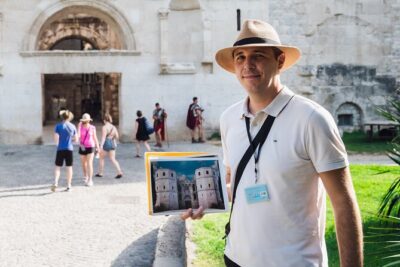
Walking Tour of Split with a ‘Magister’ of History
Read our review →
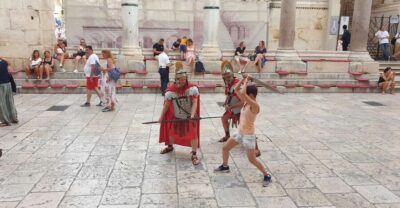

Split History and Gastro Small-Group Tour with Food and Drinks
Read our review →Browse the lists this tour appears in